
Flowers
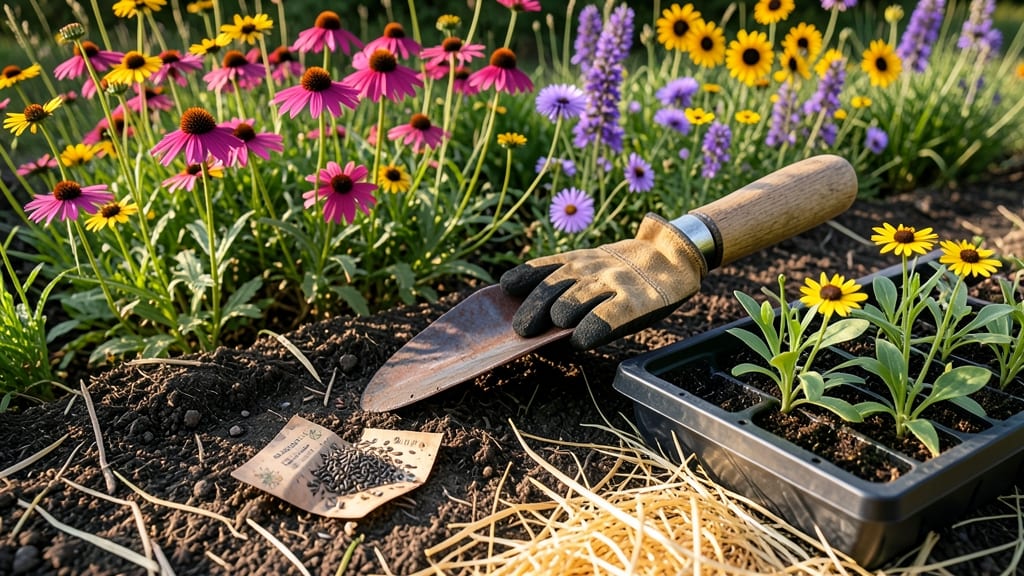
Planting wildflowers in Zone 7 at the right time ensures vibrant blooms from spring to fall 🌼 — aim for early spring or late summer for the best results.
Timing your wildflower planting in Zone 7 can mean the difference between a vibrant meadow and a patchy disappointment. Too early, and frost will nip tender seedlings. Too late, and summer heat arrives before they establish roots.
Zone 7’s mild winters and hot summers create two ideal planting windows: early spring (March–April) when soil warms to 50°F, or late summer (August–September) for fall blooms. This guide breaks down the frost-date triggers, soil prep, and species that thrive in your climate.
You’ll also discover whether to plant from seed or transplants, how to extend blooms year-round, and the three key care steps that keep wildflowers flourishing with minimal effort.
Zone 7 wildflower planting dates by frost timeline and seasonal conditions
Timing your wildflower planting in Zone 7 hinges on two critical factors: average last frost dates (typically March 15–April 15) and soil temperature thresholds of 50°F or warmer. These variables determine whether you'll get a lush, continuous bloom or a spotty, short-lived display.
Most gardeners in Zone 7 swear by spring planting after the last frost, but fall planting (late summer to early fall) can also yield stunning results with the right species.
Your local microclimate plays a huge role too. Coastal areas often experience milder winters, allowing for earlier spring plantings, while mountainous regions may face delayed frost dates, pushing planting windows later.
For example, Asheville, NC (Zone 7a) might see its last frost in early April, while Atlanta, GA (Zone 7b) could be frost-free by mid-March. Always check your local frost map and adjust accordingly.
For spring planting, aim to sow seeds 2–4 weeks after your last frost date. This gives young seedlings time to establish roots before summer heat arrives.
I’ve found that mid-April is my sweet spot in Zone 7b, but I always double-check with my local Cooperative Extension Service for updates. If you’re planting transplants instead of seeds, you can push this window slightly earlier—just ensure the soil is workable and not frozen.
Don’t overlook fall planting, which is ideal for perennial wildflowers like cone flowers and goldenrod. These hardy species benefit from cool soil temperatures and often bloom earlier the following year when planted in late summer.
I’ve had success with late August plantings, but I always stop by September 15 to avoid seedlings struggling through winter. Mulch lightly after fall planting to protect tender roots from early frosts.
One common mistake I see is planting wildflowers too early in spring when soil is still cold. Seeds may rot or fail to germinate if temperatures dip below 50°F.
To test soil readiness, press your finger into the ground—if it feels cool and damp but not icy, it’s likely safe to plant. For coastal gardeners, this might be as early as February, while inland or mountainous areas should wait until mid-April.
If you’re dealing with clay-heavy soil (common in Zone 7), amend it with compost or sand before planting to improve drainage. Wildflowers thrive in well-draining soil, and soggy conditions can lead to root rot.
I like to mix in a 50/50 blend of native soil and compost for a balanced growing medium. After planting, water deeply but infrequently—this encourages strong root systems and drought tolerance.
For mountainous regions, like parts of Virginia or North Carolina, expect later frost dates and cooler nights. These areas often see their last frost in late April, so hold off on planting until after May 1. Conversely, coastal Zone 7 (e.g., Savannah, GA
Best wildflower species for Zone 7 planting success by season
Zone 7 gardeners have two golden windows for planting wildflowers: early spring (March–April) and late summer (August–September). These annuals and perennials thrive in our mild winters and hot summers, delivering blooms from late spring through fall. The key? Matching each species to its ideal planting time for maximum impact.
For spring planting, focus on annuals like cosmos and perennials like black-eyed Susans. These varieties establish roots before summer heat arrives. Late summer planting, meanwhile, sets up fall blooms from zinnias and coneflowers, extending your garden’s color palette until frost.
Drought-tolerant species like lupine and bee balm are perfect for low-maintenance gardens.
🌱 Planting Tip: Always prepare your soil by loosening the top 6 inches and removing weeds. Wildflowers prefer well-draining soil with minimal fertilizer—too much nitrogen encourages leafy growth over blooms.
| Species | Planting Month | Bloom Duration | Sunlight Needs | Drought Tolerance |
|---|---|---|---|---|
| Cosmos (Annual) | March–April | June–October | Full Sun | High |
| Zinnias (Annual) | March–May or August | July–Frost | Full Sun | Moderate |
| Black-Eyed Susan (Perennial) | March–April | June–September | Full Sun | High |
| Coneflower (Perennial) | March–April | July–October | Full Sun | High |
| Lupine (Perennial) | March–April | May–June | Full Sun | Very High |
| Bee Balm (Perennial) | March–April | June–September | Partial Sun | Moderate |
My top recommendation for low-maintenance gardens is lupine. It’s drought-resistant, thrives in poor soil, and attracts pollinators like bees and butterflies. Plant it in full sun in early spring for early summer blooms that last for weeks.
Pair it with cosmos for continuous color—cosmos blooms from June through October with minimal care.
For fall interest, don’t overlook zinnias. Plant them in late summer (August) for late-season blooms that last until frost. Their vibrant colors add a pop to autumn gardens, and they’re deer-resistant, making them ideal for rural Zone 7 properties.
Just ensure they get full sun to prevent leggy growth.
Pro tip: Mix annuals and perennials for a year-round display. For example, plant cosmos (annual) alongside black-eyed Susans (perennial). The cosmos will provide summer color, while the black-eyed Susans take over in late summer and fall. This strategy ensures your garden never looks bare.
🌼 Ready to transform your Zone 7 garden? Start with these five species, and you’ll enjoy months of blooms with minimal effort. Happy planting!