
Flowers
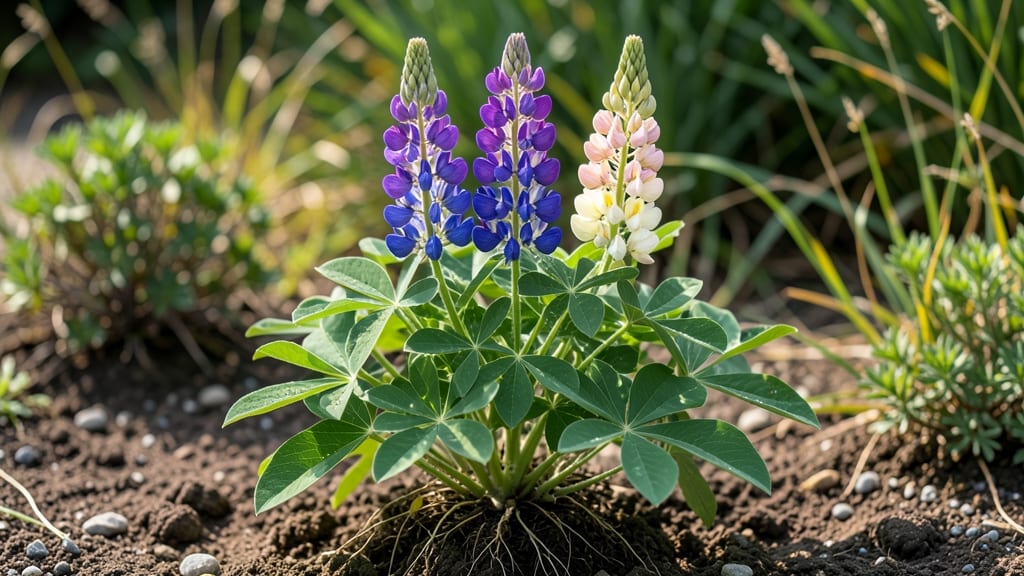
Lupins flower in late spring to early summer 🌸, turning gardens into vibrant displays—but the timing depends on your climate and the variety you’ve planted.
Ever planted lupins only to wait and wait, wondering why they’re not blooming? The answer lies in their planting window, your local frost dates, and whether you’ve got annuals or perennials.
In USDA Zone 6a, like much of the Midwest, lupins typically burst into color by May, but coastal regions can see blooms as early as April, while high-altitude gardens might delay until June.
Annual lupins like the Russell Hybrid put on a one-season show, while perennials such as Blue Peter may reward you with repeat blooms if given the right care. The key?
Planting in March–April after the last frost, ensuring full sun, and avoiding overcrowding. Skip these steps, and you might end up with tall stems but no flowers.
In this guide, I’ll break down exactly when to expect those stunning spikes of color—plus the 5 most common mistakes that keep lupins from flowering, so you can enjoy their show-stopping blooms year after year.
Lupin flowering seasons by variety: annual vs perennial timelines
Lupins are showstoppers in any garden, but their flowering windows vary dramatically between annual and perennial varieties. Understanding these differences helps you plan your garden layout and extend bloom seasons.
Annual lupins like Russell Hybrid deliver one spectacular bloom in late spring, while perennials such as Blue Peter may reward you with multiple blooming cycles over several years.
For gardeners in USDA zones 6-9, lupins typically bloom from late April to July, with some varieties extending into early fall. However, climate and variety play critical roles in determining exact timing.
Perennials often need 2-3 years to establish before their first major bloom, while annuals flower within their first growing season if planted correctly.
Key factors influencing lupin flowering include: Daylight hours (longer days trigger blooming), Soil fertility (phosphorus-rich soil encourages flowers), Pruning habits (deadheading extends seasonal displays), Winter hardiness (perennials need protection in colder zones). Let’s break down the blooming timelines for popular varieties so you can plan your garden’s color calendar with confidence.
| Variety | Type | Peak Bloom Months | Bloom Duration | Re-flowering? | Height (ft) |
|---|---|---|---|---|---|
| Russell Hybrid | Annual | May-June | 4-6 weeks | No | 3-5 ft |
| Blue Peter | Perennial | June-July (Year 2+) | 3-4 weeks | Sometimes (light) | 4-6 ft |
| Yellow Lupin | Perennial | April-May (Year 1) | 3 weeks | No (unless deadheaded) | 2-3 ft |
| Myrtle Crest | Perennial | June-August | 6-8 weeks | Yes (with care) | 5-7 ft |
| Alba (White Lupin) | Annual | May-June | 4 weeks | No | 3-4 ft |
Annual lupins like the Russell Hybrid are one-and-done bloomers, delivering their most dramatic display in late spring (May-June) before setting seed. These varieties are perfect for seasonal color bursts and thrive in cooler climates where summers are mild.
Since they complete their life cycle in one year, you’ll need to replant annually for continuous displays.
Perennial lupins, such as Blue Peter or Myrtle Crest, take patience but reward long-term. Their first major bloom often appears in year two or three, but once established, they can re-flower lightly
Climate Zone impact on lupin blooming: from coastal to desert gardens
Your lupins’ blooming schedule isn’t set in stone—it’s a delicate dance between your local climate and the lupin’s natural rhythms.
In USDA Zone 7b, like much of the Southeast, lupins typically flower from mid-April to June, while Zone 10 gardeners in Southern California might see blooms stretch from February to May. The difference?
Temperature, humidity, and daylight hours all play starring roles in triggering those iconic flower spikes.
Coastal gardens with mild winters and high humidity—think Pacific Northwest or British Columbia—often enjoy earlier blooms, sometimes as early as March. Meanwhile, desert climates like Arizona’s may delay flowering until late spring due to cooler nights and intense daytime heat.
Even high-altitude gardens in Zone 5 or higher elevations can push blooming into June or July because cooler temperatures slow growth.
Here’s how your climate zone affects lupin blooming—plus the exceptions that might surprise you:
- Coastal/Marine (Zones 7–10): March–May (mild winters + humidity = early blooms)
- Temperate (Zones 5–8): April–June (classic lupin season; peak in May)
- Desert (Zones 9–10): February–April (cooler winters trigger earlier growth)
- High-Altitude (Zones 3–6, >5,000 ft): May–July (cooler temps delay blooming)
- Mediterranean (Zones 8–10): Late winter–early spring (wet winters + dry summers)
Daylight hours are the real game-changer. Lupins need 12–14 hours of daylight to trigger flowering—a threshold most regions hit by late March to early April. In Alaska or northern Canada (Zone 2–3), lupins might not bloom until June or July due to shorter growing seasons.
Conversely, Florida’s Zone 9–10 can see lupins flowering year-round in ideal conditions, though they’ll peak in spring and fall.
Humidity also sneaks in as a silent influencer. High humidity in southeastern gardens can lead to fungal issues that stunt blooms, while arid climates might require extra watering to encourage flowering.
If your lupins are leafy but not blooming, check your local humidity levels—they could be the culprit. A simple fix? Mulch to retain moisture without soggy soil.
Don’t overlook late-blooming exceptions. Some varieties, like Yellow Lupin (Lupinus luteus), may push blooming into July or August in cooler climates. And if you’re in a Mediterranean climate, expect a fall rebloom after summer dormancy.
The key is to plant 2–3 weeks earlier than your zone’s average last frost—this gives lupins the head start they need to adjust to your microclimate.
Ready to time your lupin blooms like a pro? Start by noting your local frost dates and adjust planting by 2–4 weeks if you’re in a cooler or warmer-than-average microclimate. With the right timing, your lupins will reward you with months of vibrant color—no matter where you garden! 🌷