
Flowers
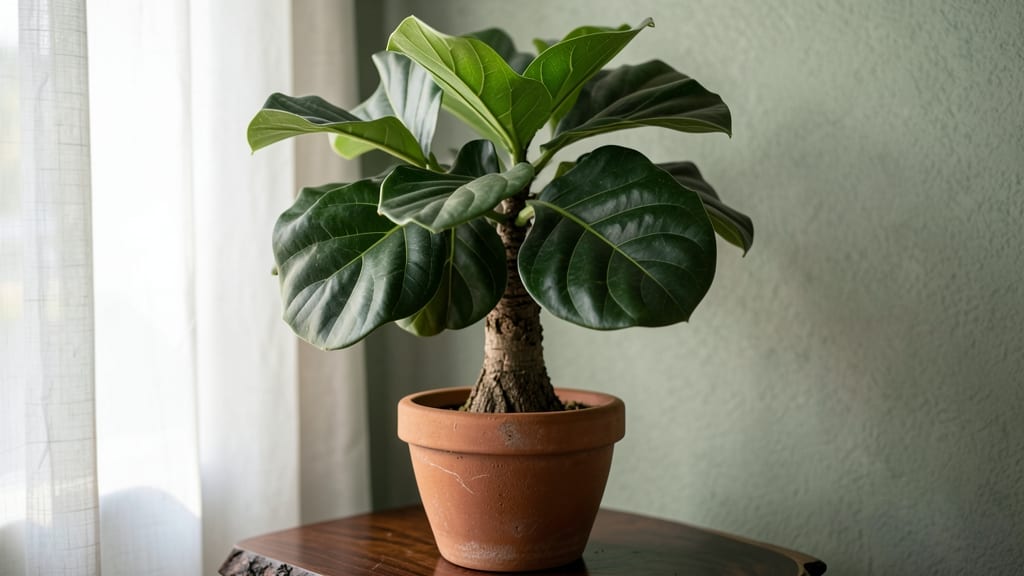
The ficus macrophylla flower is one of nature’s rarest botanical surprises—turning your towering Moreton Bay fig 🌳 into a living masterpiece.
Picture this: a 60-foot tree suddenly bursting with tiny, delicate blooms, their scent filling the air like a secret tropical garden. But here’s the catch—most gardeners never see it happen. Why? Because flowering isn’t just luck; it’s a delicate balance of light, stress, and patience that even experienced growers overlook.
If you’ve ever wondered how to coax your Moreton Bay fig into bloom, you’re not alone. The key lies in mimicking its natural triggers—think seasonal shifts, targeted pruning, and even a little controlled stress.
Below, I’ll walk you through the exact conditions that turn "maybe next year" into "watch this in spring."
From soil secrets to light tricks, this guide covers everything you need to know—so your fig doesn’t just survive, but thrives and flowers like a showstopper.
How to trigger rare ficus macrophylla flowering: proven conditions
The ficus macrophylla flower is one of nature's most elusive gardening rewards. Unlike its tropical cousins, this Moreton Bay fig typically focuses energy on lush foliage, but with the right approach, you can coax it into producing those rare, syconium inflorescences—the fig's unique flower structure.
The key lies in understanding its natural triggers and mimicking them in your care routine.
In their native Australia, these trees bloom in response to seasonal temperature shifts, increased daylight hours, and even mild stress conditions. Recreating these factors in your garden or container setup can dramatically increase your chances of success.
Let's explore the science-backed methods that have helped gardeners worldwide trigger flowering in their Moreton Bay figs.
- 🌞 Light Exposure: Provide 8+ hours of direct sunlight daily, especially in late spring/early summer (May-June in Zone 6). Use south-facing windows for indoor trees.
- 🌡️ Temperature Shifts: Mimic seasonal temperature swings—cool nights (55-60°F) followed by warm days (75-85°F) trigger hormonal changes.
- ✂️ Root Pruning: Gently trim 20-30% of roots in early spring to create mild root stress, signaling the tree to prioritize reproduction.
- 🐝 Fig Wasp Mimicry: Introduce fig wasps (Blastophaga) (if in Zone 10-11) or use a soft paintbrush to pollinate flowers manually after blooming.
- 💧 Water Adjustments: Reduce watering by 30% in late summer to simulate dry season stress, then resume normal watering in spring.
One of the most critical factors is light exposure. Your ficus macrophylla needs at least 6 hours of direct sunlight daily, but for flowering, push it to 8+ hours, especially during the late spring months.
In Zone 6, this means positioning your tree near a south-facing window if indoors or ensuring it's in the sunniest spot in your yard. If you're growing it in a container, rotate it weekly so all sides receive even light—uneven exposure can prevent bud formation.
Temperature plays a surprising role too. These trees evolved in Australia's subtropical climate, where cool nights and warm days trigger flowering hormones.
In temperate zones, you can mimic this by placing your tree near a heat source at night (like a south-facing wall) or using a small space heater for 2-3 hours during evening hours in late winter/early spring.
Avoid extreme heat—consistent temperatures above 85°F can suppress blooming entirely.
Here's where things get interesting: controlled stress. Unlike most plants, ficus macrophylla responds to mild stress by shifting energy toward reproduction. One effective method is root pruning. In early spring, carefully dig around the outer 12-18 inches of roots and trim 20-30% of the healthiest-looking roots.
This disrupts the root system just enough to signal the tree that resources are limited, prompting it to produce flowers. For container-grown trees, you can achieve the same effect by reducing pot size by 1-2 inches during repotting season.
The role of fig wasps is often overlooked but crucial. In their native habitat, these tiny wasps pollinate the flowers by laying eggs inside the syconium. If you're in Zones 10-11, you can attract them by planting native fig species nearby.
For gardeners in colder zones, you'll need to hand-pollinate using a soft paintbrush. Once flowers appear, gently brush the brush over the syconium openings to transfer pollen. Repeat this process every 3-4 days during the flowering period for best results.
Timing is everything when it comes to water adjustments. During the late summer months, reduce your watering by 30% to mimic the dry season that triggers flowering in the wild. This mild drought stress helps the tree recognize that it's time to reproduce.
Then, in early spring, return to your normal watering schedule—this shift from stress to abundance is a powerful signal for bud formation. Remember, overwatering at any stage can prevent flowering by encouraging excessive foliage growth instead.
Patience is key with ficus macrophylla flowering. Even under perfect conditions, it can take 2-5 years for a young tree to produce its first flowers. For container-grown trees, flowering may be delayed further due to limited root space.
If your tree isn't blooming after 3-4 years, consider reassessing your light conditions, adjusting your temperature swings, or applying a light stress treatment like the root pruning method described earlier.
Once you've triggered flowering, you'll notice small, green bumps forming in the leaf axils—these are the early syconium buds. Over 4-6 weeks, they'll grow into the characteristic fig-like structures.
At this stage, reduce fertilizer to half-strength to avoid encouraging new foliage growth at the expense of fruit development. If you're in a colder zone, protect your tree with frost cloth during this vulnerable period to ensure the flowers mature properly.
Witnessing your ficus macrophylla flower is a rewarding experience that combines science, patience, and a bit of gardening magic. By mastering these proven conditions—light, temperature, stress, and timing—you'll dramatically increase your chances of success.
And who knows? With the right care, your Moreton Bay fig might just become the star of your garden with its rare and beautiful blooms. 🌳
Ficus macrophylla flower care: soil, water, and light secrets
The ficus macrophylla flower thrives when its care mimics its native tropical conditions—meaning your soil, water, and light game must be on point. Start with a well-draining mix that balances moisture retention and aeration.
Think 60% organic matter (like compost or coconut coir) and 40% mineral grit (perlite or coarse sand) to prevent root rot while keeping roots hydrated.
For watering schedules, aim for deep, infrequent soaks rather than light surface watering. Mature trees need 15-20 gallons per watering every 7-10 days, while younger specimens require weekly attention. Overwatering is the #1 killer—your tree’s roots should dry slightly between waterings, but never to the point of wilting.
Light is where most gardeners trip up. Your Moreton Bay fig craves 6+ hours of direct sunlight daily, but in Zone 6 climates, afternoon shade helps prevent leaf scorch.
Place it near a south-facing window indoors or in a sheltered outdoor spot that gets morning sun and afternoon shade during peak summer months.
Humidity plays a sneaky role in flowering. Aim for 50-70% humidity—this is where most indoor growers fail. Use a pebble tray with water or a humidifier near your tree, especially in dry winter months when indoor air gets crisp.
A simple spray bottle works too, but avoid wetting the leaves directly to prevent fungal issues.
Watch for these care mistakes that kill blooms: overwatering (roots suffocate), low light (leggy growth), or nutrient spikes (burns roots). If your tree looks stressed, dial back the fertilizer and move it to a sunnier spot.
Patience is key—it can take 2-5 years for a Moreton Bay fig to flower, but with these conditions, you’ll be the first in your neighborhood to spot those elusive blooms.
Pro tip: In Zone 6 climates, protect your tree from winter dieback by wrapping the trunk in burlap and mulching heavily. A little winter stress can actually trigger spring blooms—just don’t overdo it!