
Flowers
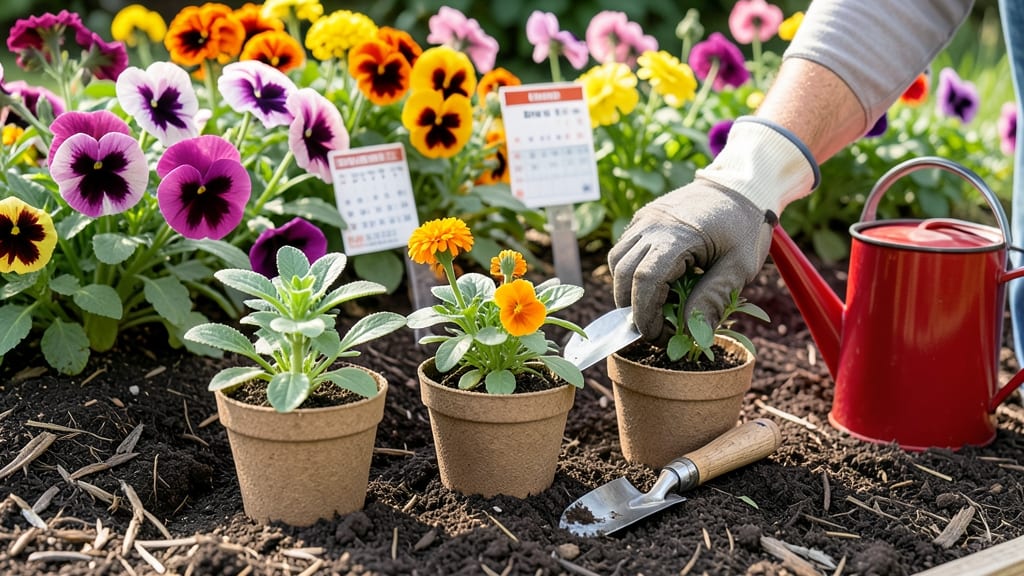
When is it safe to plant flowers in Michigan after the last frost—typically mid-April to mid-May—sets the stage for a vibrant garden, but timing is everything.
Michigan gardeners know the frustration of planting too early—only to watch frost nip delicate blooms before they even sprout. Timing is everything, and getting the frost-free dates right can mean the difference between a thriving garden and a sad, wilted disappointment.
With USDA Zones 5-6 spanning the state, northern Michigan’s chill lingers longer than the southern regions. That’s why checking soil temperatures (aim for 50°F or warmer) and watching for budding trees like lilacs or apple blossoms are your best clues.
Below, I’ll break down the exact frost-free windows for your zone, plus tips for adjusting to Michigan’s unpredictable spring—so you can plant with confidence and enjoy blooms from June through September.
Michigan frost-free dates by USDA Zone 5-6: when to plant flowers
Michigan’s USDA Zones 5 and 6 experience dramatic shifts between winter’s icy grip and spring’s hopeful thaw. For gardeners, knowing the average last frost dates is critical to avoid frost damage to tender flowers.
Northern Michigan (Zone 5) typically sees its last frost around May 10-15, while southern Michigan (Zone 6) warms up slightly earlier, around April 25-May 5. These dates can shift by weeks, so flexibility is key.
Historical data from the Michigan State University Extension shows that late frosts in April are common, especially in northern regions like Traverse City or Marquette.
Meanwhile, southern areas like Kalamazoo or Detroit often see milder springs. Hardy annuals and perennials can handle cooler temperatures, but tender varieties like petunias or marigolds need warmer soil and air to thrive.
To plan safely, I recommend waiting until soil temperatures reach 50°F and nighttime lows stay above 40°F consistently. Use a soil thermometer to check—cold soil can stunt growth even if air temperatures seem warm.
For extra protection, consider frost cloths or cold frames to extend your planting window by 2-3 weeks.
For cool-season flowers like pansies or sweet peas, you can plant as early as late March to early April, even before the last frost.
These hardy varieties tolerate light frosts and often bloom earlier, adding color to your garden sooner. Warm-season flowers, such as zinnias or impatiens, should wait until after the last frost—typically mid-May in Zone 5 and early May in Zone 6.
Microclimates play a huge role in Michigan’s gardening success. Areas near large bodies of water, like the Great Lakes, may experience delayed frost dates due to lake-effect cooling. Conversely, urban heat islands in cities like Detroit can warm up faster, allowing earlier planting.
Always observe your specific location’s patterns over a few years to refine your timing.
If you’re unsure, I recommend the "10-day rule": Wait until at least 10 days have passed since the average last frost date for your area. This buffer accounts for unexpected late frosts.
For example, in Zone 5, planting on May 25 instead of May 15 gives your flowers a better chance to establish roots before summer heat arrives.
Signs that it’s safe to plant include budding trees (like cherry or apple blossoms) and wildflowers sprouting in fields. These natural indicators often align with rising soil temperatures. Additionally, check the Michigan Weather and Climate resources for real-time updates on frost risks in your area.
For container gardening, you can push the envelope slightly by moving pots closer to your home’s south-facing walls or using heat mats to warm the soil.
This can extend your planting window by 1-2 weeks, especially for heat-loving annuals. Always harden off seedlings gradually to avoid shock when transitioning them outdoors.
Remember, even after the last frost, nighttime temperatures can still dip below freezing in May. Use row covers or cloches for extra protection if you’re planting early. With the right timing and a little preparation
How to adjust planting dates for Michigan’s unpredictable spring weather
Michigan’s spring weather can be a real rollercoaster—one day it’s warm enough to plant, and the next, a surprise frost threatens to undo all your hard work. The key to success is flexibility.
Instead of sticking rigidly to average frost dates, I’ve learned to use protective measures and heat-loving varieties to extend my growing season safely.
For example, I always keep frost cloths and cold frames on hand. These tools can push back planting dates by 2-4 weeks, giving tender flowers like marigolds and petunias a fighting chance even if spring lingers. The goal is to maximize bloom time without risking frost damage.
🌱 5 Ways to Adjust Planting Dates in Michigan
- 1. Wait for soil warmth: Use a soil thermometer—plant when soil hits 50°F+ at 4" depth. Cold soil slows root growth.
- 2. Use frost cloth: Cover seedlings with frost cloth to protect down to 28°F. Remove during the day for airflow.
- 3. Try cold frames: Extend the season by 4-6 weeks for heat-loving flowers like geraniums and zinnias.
- 4. Choose late-season varieties: Opt for long-blooming annuals like cosmos or black-eyed Susans that tolerate cooler temps.
- 5. Monitor local cues: Plant when lilac bushes bloom (signals last frost is past) or use MSU Extension alerts.
One of my favorite tricks is planting heat-loving flowers like sunflowers or lantana in black plastic mulch. This warms the soil faster, giving them a head start.
I’ve even started seeds indoors in March and transplanted them under cloches in early May—this ensures they’re established before the real heat arrives.
For perennials, I focus on cold-hardy varieties like coneflowers or black-eyed Susans. These can handle Michigan’s late frosts and still produce stunning blooms. I’ll often plant them in early April, even if the ground is still cold, because their roots are tough enough to survive brief chills.
If all else fails, I turn to container gardening. Potted flowers can be moved to protected spots like porches or under eaves when frost warnings pop up. This gives me the flexibility to adjust planting dates without risking the entire garden. Plus, containers warm up faster in the sun!
Remember, Michigan’s climate is all about adaptation. By combining protective tools, smart variety choices, and local weather tracking, you can turn even the most unpredictable springs into a blooming success. The key is staying one step ahead of Mother Nature. 🌷