
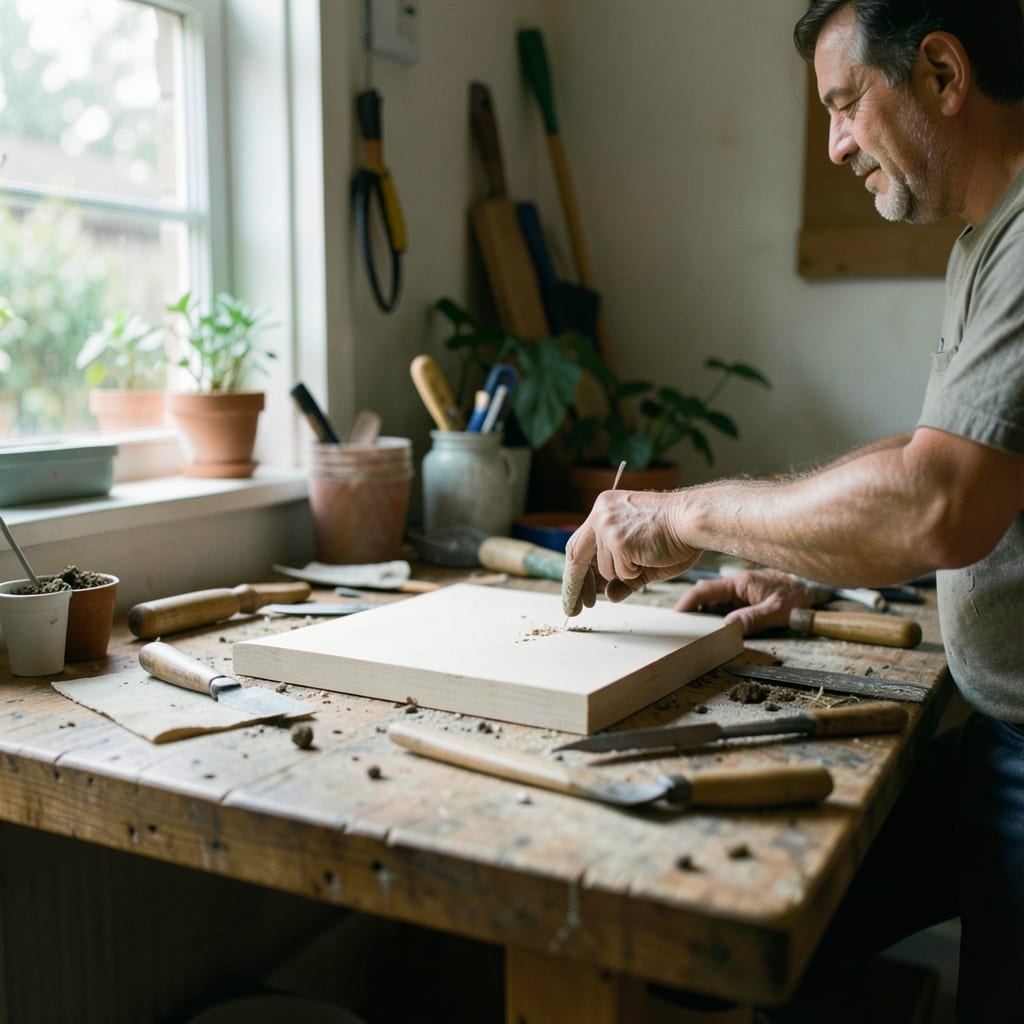
It started with one geranium that kept dying
It was a *Pelargonium zonale*—the kind with bright red blooms and a habit of outlasting everything else in my grandmother’s yard. I brought home a cutting in a plastic cup, convinced it would thrive in my windowsill.
The first week, it looked fine: sturdy stem, glossy leaves, even a few tentative buds. Then the edges of the leaves turned crispy, like someone had singed them with a lighter. I watered it more. The roots rotted.
The second one lasted three weeks before the stems turned black at the base. The third one I kept in a saucer of pebbles, like I’d read somewhere, but the roots still drowned.
Each time, I’d adjust the soil, the light, the pot—only to watch the same thing happen: a plant that *should* have been easy, failing in ways I couldn’t explain. The problem wasn’t the geranium. It was me.
It was June in North Carolina, and the humidity was thick enough to choke a plant. I’d inherited my grandmother’s old terracotta pots, the ones with the hairline cracks that let water evaporate too fast. The geraniums wanted moisture, but not soggy roots.
They wanted sun, but not the harsh afternoon glare. And I kept giving them the opposite—dry soil one day, drowned the next, always guessing wrong.
Nine tries before it worked
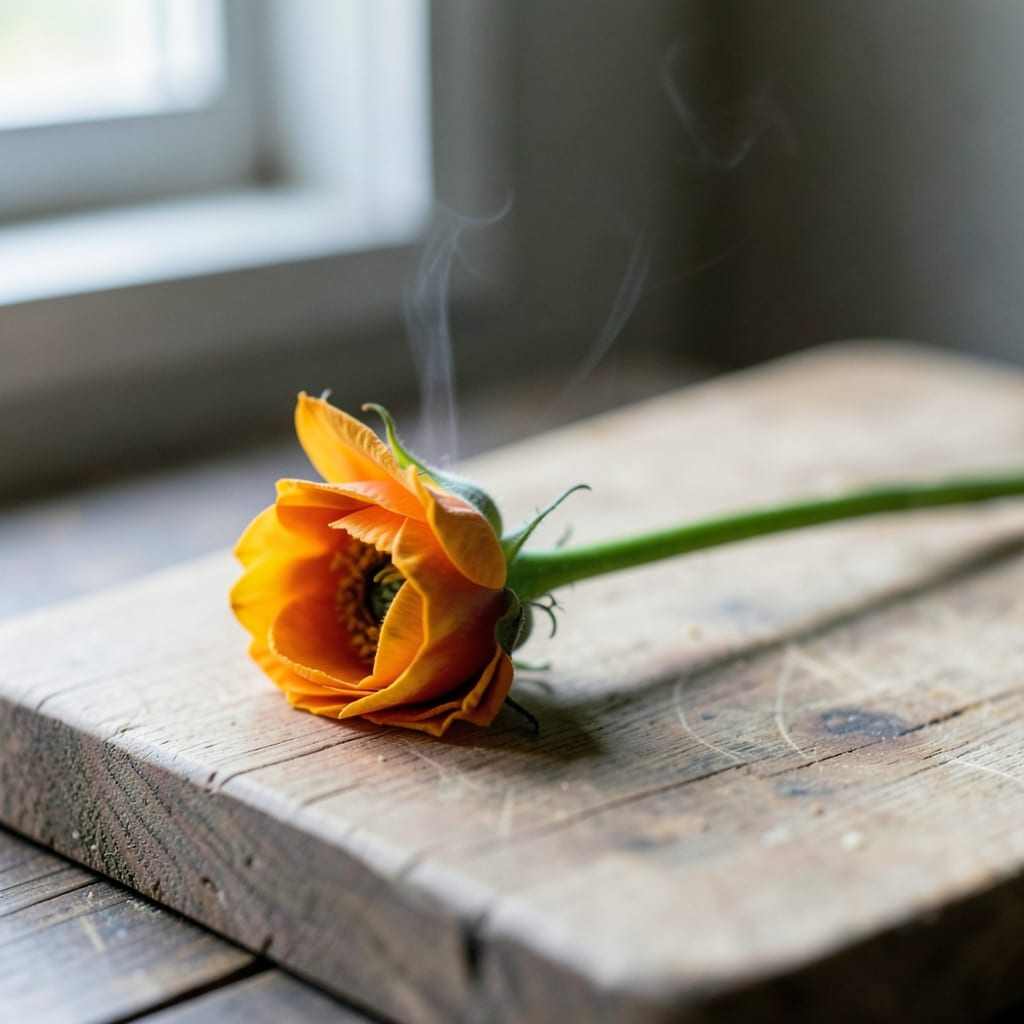
The fourth attempt, I used a mix of potting soil and perlite—half and half, by volume—and a pot with drainage holes *and* a saucer. I watered it from the bottom, letting it soak for twenty minutes before draining the excess. The leaves stayed plump.
Then I moved it to an east-facing window, where the light was bright but diffused. Still, after a week, the buds dropped off. I’d overwatered again.
The fifth time, I switched to a smaller pot—just enough room for the roots to spread without crowding. I checked the soil every morning with my finger: if the top inch was dry, a sip of water; if it was damp, I left it alone.
The sixth geranium lasted two months before the leaves yellowed. I tested the soil pH—it was too alkaline. I added composted oak leaves. The seventh one survived three months before I realised the terracotta was still pulling too much moisture. I switched to plastic.
By the ninth attempt, I’d given up on terracotta entirely. The pot was black plastic with drainage, the soil a blend of coconut coir, worm castings, and a handful of sand.
I watered only when the soil was bone-dry, and I placed the pot on a wire rack to catch any runoff. This time, the geranium didn’t just live—it *thrived*. The buds opened wide, the leaves stayed vibrant, and when I pinched back the leggy stems, it bushier than ever.
The difference wasn’t the plant. It was the conditions I’d finally gotten right.
The mind behind these pages
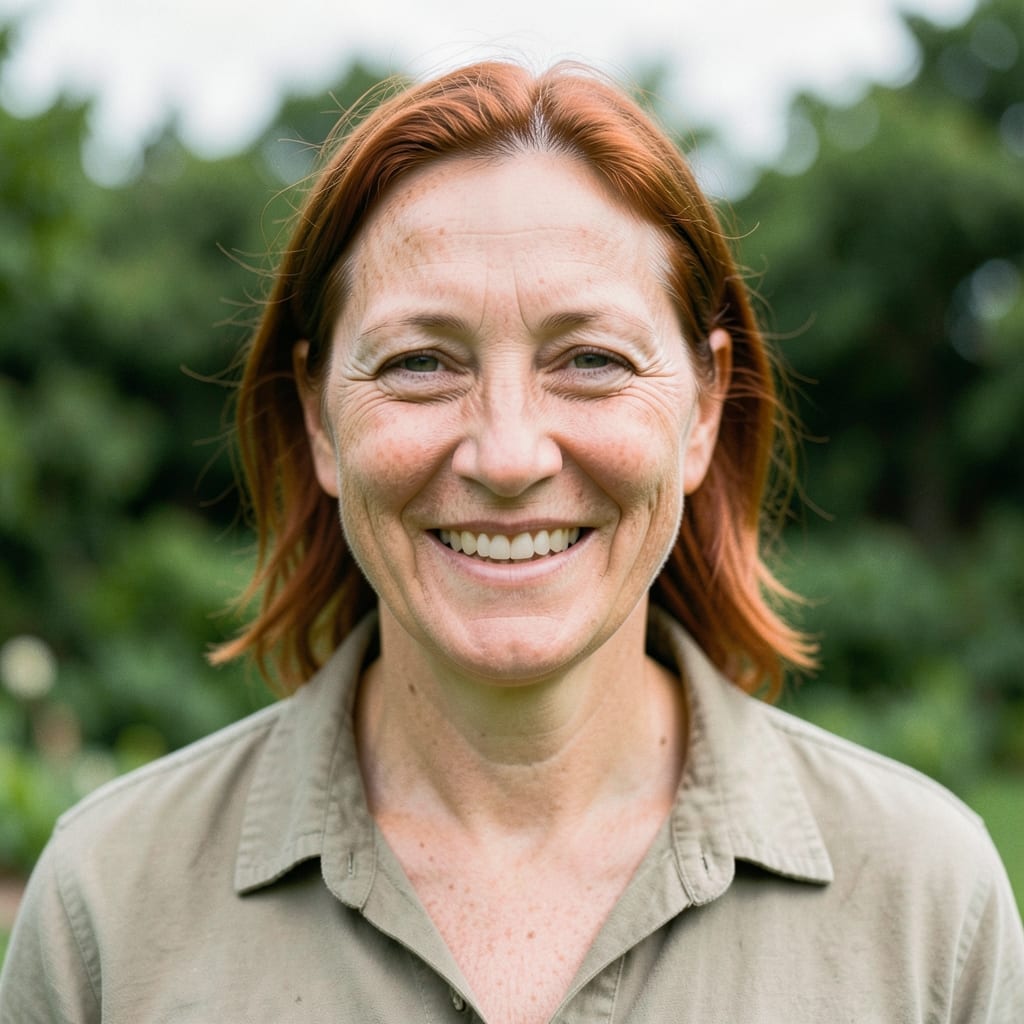
Rhonda Sizemore is the one who kept trying. She’s the reason *Flower Stem* exists—not because she’s an expert, but because she’s the kind of person who notices when a plant wilts and spends the next three hours Googling why.
Her grandmother’s garden was her first classroom, where she learned that gardening isn’t about perfection; it’s about paying attention. The habit cost her more than a few dead geraniums: it cost her patience, her assumptions, and eventually, her old way of doing things.
People who do this nine times—who water, adjust, observe, and start over—are the ones who end up with the greenest thumbs. Her mother used to say she had ‘a stubbornness for plants,’ and it’s true. She’d rather lose a cutting than admit she didn’t know how to care for it.
That stubbornness is what turned a bedroom windowsill into a site where soil remembers every season’s touch.
She still grows geraniums, but now they’re in raised beds with amended soil, staked for support, and pruned before they get leggy. The difference isn’t the plant. It’s the system. And that’s what she writes about: not the magic of gardening, but the method behind the growth.
This site exists because of one geranium that refused to die—and because of the nine that did.
Everything here is written the way that geranium was
Every guide on *Flower Stem* starts with the conditions that killed a plant before it tells you how to grow one. We don’t assume you know what ‘well-draining soil’ feels like, so we describe it: sandy, crumbly, the kind that doesn’t stay wet for days.
We don’t just say ‘full sun’—we tell you what that looks like on a six-inch pot in July, and how to adjust if your balcony gets afternoon shade.
The first draft of every page is written while the plant is still alive—before the buds open, before the leaves fill out. We note the cracks in the soil, the way the pot heats up, the times we forgot to water.
Those details go in first, because they’re the ones that matter. Later, we’ll add the pretty photos and the polished tips, but the raw notes—the ones that say *this is what almost went wrong*—stay.
A page here isn’t finished until it’s been tested in at least two different setups: a bright windowsill, a shady corner, a pot with and without drainage. If a method fails, we say so. If a plant survives despite the odds, we explain why.
The geraniums taught us that the only way to trust a guide is to know where it came from—and that the best lessons come from the things that almost died.
What that means for you
You’ll find no vague advice here—just the kind of details that turn a guess into a plan. If a method has failed for us, it’ll say so. If a plant needs coddling, we’ll tell you how. And if something works despite the odds, we’ll explain why.
This isn’t about growing perfect gardens. It’s about growing *real* ones—the kind where the soil remembers every season’s touch, and where failure is just another kind of data.
What you won’t find are step-by-step instructions for plants that don’t exist in most people’s homes. No exotic varieties, no unrealistic timelines. Just the plants that actually grow—with the conditions that make them thrive, and the mistakes that kill them.
Got a plant that keeps dying? Or one that’s thriving in ways you can’t explain? Send us the details—the soil, the light, the quirks—and we’ll add it to the next guide. The best lessons come from the things that almost didn’t work.
The guides are grouped by category: Advice, Blooming, Companion Plants, Container Gardens, Diseases and Fertilization.