
Flowers
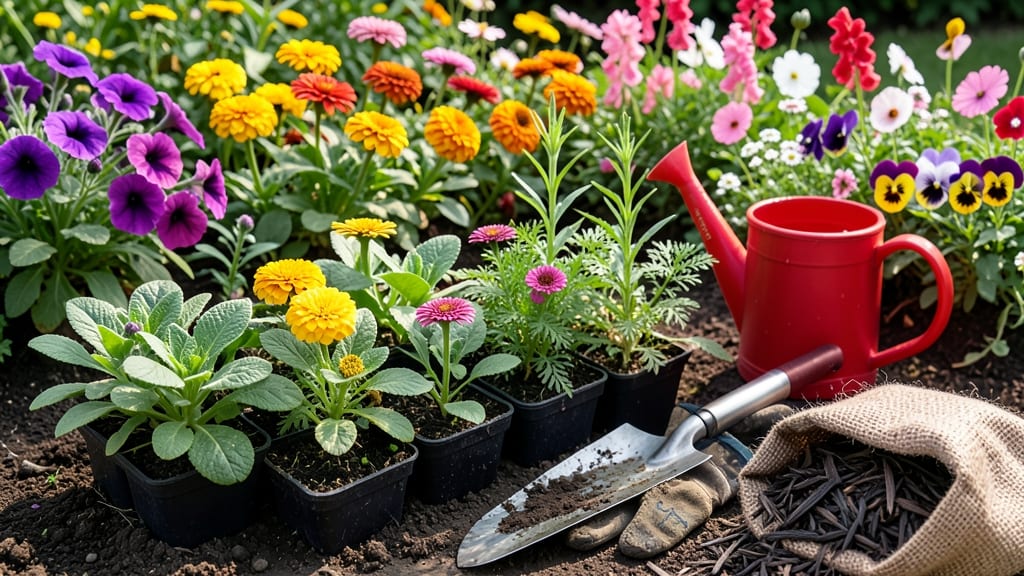
Your Zone 6 planting schedule for flowers 🌸 is the key to a garden that bursts with color—if you time it right.
Struggling to remember when to plant flowers in Zone 6? Missed deadlines mean wilted dreams—until now. This precise month-by-month schedule ensures your blooms thrive, even with late frosts.
From cool-season tulips to heat-loving dahlias, the difference between a thriving garden and a sad one often comes down to knowing when to start seeds, transplant seedlings, and tuck in bulbs.
Below, I break down the exact deadlines for your region, plus a foolproof checklist for soil, sunlight, and mulching—so you can skip the guesswork and enjoy blooms all season.

Zone 6 flower planting deadlines by month: cool-season vs warm-season flowers
Zone 6 gardeners face a tricky balance: late spring frosts can kill tender warm-season flowers like petunias, while cool-season bloomers like pansies thrive in chilly weather. The key?
Timing based on your last frost date, which varies from April 15 in southern Zone 6 (e.g., Nashville) to May 15 in northern areas (e.g., Chicago). I’ll break down exact deadlines for annuals, perennials, and bulbs—plus region-specific adjustments to avoid frost damage.
For northern Zone 6 (e.g., 6a), wait until mid-May to plant frost-sensitive warm-season annuals like marigolds and zinnias. In southern Zone 6 (e.g., 6b), you can start as early as late April.
Meanwhile, cool-season flowers like snapdragons and sweet alyssum can go in the ground 6–8 weeks before your last frost—often by March in the South or April in the North. Bulbs like tulips need even earlier prep: plant them 6–8 weeks before the first frost (typically September–October).
Pro Tip: Use a soil thermometer to confirm ground temps are above 60°F for warm-season plants. Cold soil slows root growth, even if air temps are mild. For fall planting, aim to get cool-season annuals in the ground 6–8 weeks before your first frost (usually late August–early September in Zone 6).
April is your cool-season window: Plant hardy annuals like pansies and spring-blooming bulbs (e.g., daffodils). If you’re in northern Zone 6, wait until mid-April to avoid frost damage. For warm-season prep, start petunia and geranium seeds indoors in late April to give them a head start. Perennial division (e.g., daylilies) can also begin once soil warms to 50°F.
By May, focus on warm-season annuals after your last frost date.
In southern Zone 6, this could be late April, but northern areas may need to wait until mid-May. Direct-sow heat lovers like cosmos and sunflowers, and transplant tender seedlings (e.g., impatiens) with care. Mulch heavily to protect roots from temperature swings—a common Zone 6 pitfall.
June is all about established growth: Feed annuals with balanced fertilizer (10-10-10) and deadhead spent blooms
Critical Zone 6 flower planting mistakes that kill your garden (and how to avoid them)
Even experienced gardeners in Zone 6 make planting mistakes that sabotage blooms. The difference between a vibrant garden and a sad, wilted mess often comes down to timing, soil prep, and simple oversight.
I’ve seen tulips rot in the ground because they were planted too late, and marigolds struggle because the soil was too cold. These errors are preventable with the right knowledge.
One of the biggest mistakes is ignoring soil temperature. Cold soil can stunt root growth, while warm soil is essential for germination. For example, petunias need soil at 60°F or warmer to thrive, but many gardeners plant them too early when the soil is still chilly.
Another common error is skipping mulch—without it, moisture evaporates quickly, and weeds steal nutrients from your flowers.
Timing is everything in Zone 6. Planting annuals like zinnias before the last frost date (usually mid-April) can kill them, while waiting too long means missing the peak bloom season.
Perennials like coneflowers also suffer if planted at the wrong time, often because gardeners assume "spring" means "as soon as possible."
- Planting too early: Frost-sensitive flowers like impatiens die if planted before May 15 in most of Zone 6.
- Ignoring soil temp: Seeds need 60-70°F soil to germinate—test with a soil thermometer!
- Skipping mulch: Without mulch, 30% more water evaporates, and weeds compete for nutrients.
- Overcrowding: Planting too close leads to disease and poor air circulation.
Another deadly mistake is overwatering or underwatering. Newly planted flowers need consistent moisture, but soggy soil leads to root rot. I’ve seen dahlias collapse because they were watered at night (encouraging fungal growth) instead of in the morning.
Even drought-tolerant flowers like lavender need deep watering every 5-7 days to establish roots.
Let’s talk about mulch—or the lack of it. Many gardeners assume mulch is optional, but in Zone 6’s fluctuating temperatures, it’s a game-changer. A 2-3 inch layer of mulch keeps soil temperatures stable, retains moisture, and suppresses weeds.
For example, black-eyed Susans planted without mulch in late spring often struggle through summer heat, while mulched plants thrive.
To avoid these mistakes, follow this pre-planting checklist before you dig:
- ✅ Test soil temperature (use a thermometer—60°F+ for most flowers).
- ✅ Amend soil with compost (Zone 6 soil is often heavy clay).
- ✅ Mulch after planting (use straw or shredded bark).
- ✅ Water deeply in the morning (never at night).
- ✅ Space plants according to mature size (check seed packets!).
With these fixes, your Zone 6 flower garden will bloom like never before—no more wilted dreams! Start with one of these corrections this season, and watch your flowers thrive. Happy gardening! 🌸