
Flowers
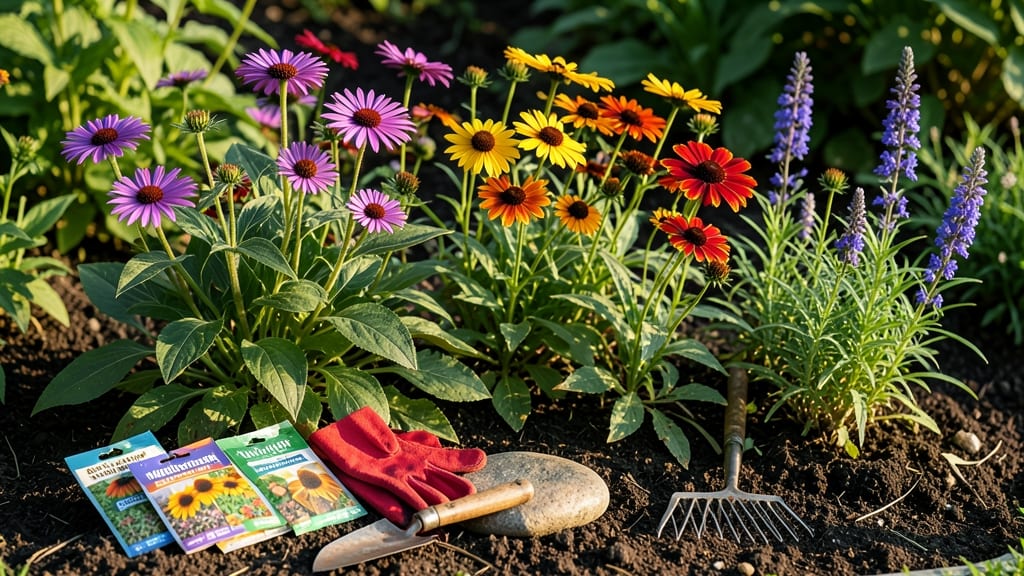
To plant wildflowers in Zone 8 for vibrant blooms all year, timing is everything—fall and early spring are your golden windows.
Struggling to keep your Zone 8 garden blooming all year? Wildflowers are the secret weapon—if you plant them at the perfect time. Get the exact months to sow seeds for nonstop color, plus pro tips to outsmart your climate’s quirks.
Fall planting in September through November lets seeds establish roots before winter, while early spring (February to March) gives them a head start.
Native species like black-eyed Susans and milkweed thrive in Zone 8’s mild winters, but the key is soil prep—loosen the earth, remove weeds, and scatter seeds lightly.
Below, I’ll break down the best months for planting, how to extend blooms year-round, and the top mistakes to avoid—so your wildflowers 🌼 put on a show from spring to summer.
Optimal planting months for wildflowers in Zone 8 by season
Zone 8’s mild winters and long growing season create the perfect conditions for wildflowers to thrive year-round. Unlike cooler climates, you can plant wildflowers in four distinct windows—spring, summer, fall, and even winter for cold-hardy varieties.
The key is matching your planting timing with the seed type (annuals vs. perennials) and local microclimates (e.g., coastal vs. inland).
Most gardeners focus on fall and early spring planting, but summer and winter sowing can also yield stunning results. For example, California poppies and lupines love cooler fall temperatures, while black-eyed Susans and cone flowers thrive when sown in early spring.
Let’s break down the best months for each season to maximize blooms and minimize maintenance.
Fall planting (September–November) is my top recommendation for Zone 8 gardeners. Seeds sown in autumn germinate in winter’s mild temperatures and establish roots before summer’s heat. For example, California poppies and lupines naturally reseed themselves if left undisturbed, creating multi-year displays. Aim to finish sowing 4–6 weeks before your first frost (typically mid-November for Zone 8a).
If you missed fall, early spring (February–March) is the next best window. This timing aligns with soil warming and increasing daylight, which triggers faster germination. Focus on perennial wildflowers like cone flowers and black-eyed Susans, which develop deep roots before summer’s heat arrives.
A quick soil test ensures your pH is 6.0–7.0—wildflowers tolerate a wide range but thrive in neutral to slightly acidic soil.
Summer planting (late August) is often overlooked but works well for heat-tolerant annuals like cosmos and zinnias. These varieties bloom quickly and attract pollinators. The trick? Shade cloth (30–50% coverage) keeps seeds from drying out before rain arrives. Water deeply every 2–3 days until germination occurs (usually 7–14 days).
Don’t overlook winter sowing (December–January) for cold-hardy annuals. Species like Iceland poppies and sweet alyssum germinate in cool, moist conditions and often bloom by early spring. Scatter seeds on bare soil, press lightly, and cover with straw mulch (1–2 inches) to shield them from freezing.
This method is low-effort but yields early-season color when few other plants are blooming.
Pro tip: Mix perennial and annual wildflowers in your planting schedule. Perennials (like purple coneflower) return yearly, while annuals (like cosmos) provide seasonal bursts of color. For instance, plant fall perennials in September and spring annuals in February to create a continuous bloom cycle. Always stratify seeds (chill them) if your wildflower packet recommends it—this mimics natural winter conditions and boosts germination rates.
Zone 8’s mild winters also allow for succession planting. After your first spring blooms fade (e.g., tulip poppies in April), sow summer annuals like sunflowers or marigolds in late May.
This keeps your garden lush and pollinator-friendly from March through October. Just remember: water deeply after planting to help seeds establish before summer’s dry spells hit.
Finally, avoid planting in extreme heat (June–July) unless you’re using shade cloth or drip irrigation. High temperatures cause seeds to dry out or rot before sprouting. If you must plant in summer, choose heat-resistant varieties like Mexican sunflower or firewheel and keep soil moist but not soggy.
A light mulch (straw or wood chips) retains moisture and regulates soil temperature.
With these seasonal strategies, your Zone 8 garden can burst with wildflowers year-round. Start with fall planting for the easiest success, then layer in spring, summer, and winter varieties to extend blooms. Soon, you’ll have a low-maintenance, pollinator magnet that thrives on its own—just like nature intended! 🌼🌿
How to extend wildflower blooms year-round with strategic planting
Zone 8’s mild winters and hot summers create the perfect opportunity to enjoy wildflowers year-round—but only if you plan strategically. The secret lies in succession planting and selecting drought-tolerant perennials that bridge seasonal gaps.
By combining early bloomers like lupines (February-March) with late-season varieties such as goldenrod (September-October), you can keep your garden vibrant from spring to frost.
Start by dividing your planting into three key phases: early spring, late summer, and fall. Each phase targets different blooming windows, ensuring no lull in color. For example, sow coreopsis in March for spring blooms, then follow with black-eyed Susans in August for late-summer color.
This approach maximizes your garden’s visual appeal while minimizing water needs—a must for Zone 8’s dry spells.
To make this work in Zone 8, focus on native species like California poppies or yarrow, which are adapted to local conditions. These plants require little to no fertilizer and thrive in well-draining soil—ideal for the region’s occasional dry spells.
Group plants by height and bloom time for a cohesive look, and always plant in full sun (6+ hours daily) for best results.
With this approach, your wildflower garden will stay in bloom from early spring to late fall, even in Zone 8’s challenging climate. The key is planning ahead and choosing the right varieties for each season—so you’re never without color! 🌻