
Plants
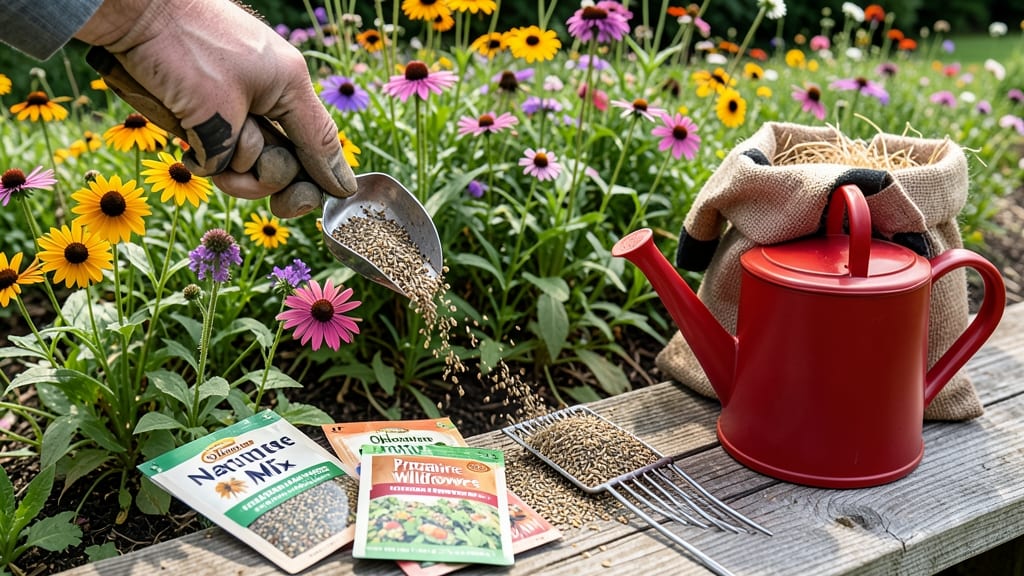
Plant wildflower seeds in Oklahoma between September and November for fall blooms or in March and April for spring color—timing this right makes all the difference in your meadow’s success.
If you’ve ever scattered seeds only to watch them vanish under Oklahoma’s unpredictable weather, you’re not alone. The key is planting when soil temps are cool but stable—60-70°F—so seeds germinate before summer heat arrives.
Miss that window, and you’ll end up with bare patches instead of vibrant 🌼 blooms.
Oklahoma’s USDA Zones 6a-8a mean deadlines shift slightly by region. Northern areas (like Zone 6a) should aim for late September, while southern zones (like 8a) can stretch into early November. Spring planting works too, but you’ll need to act fast before the heat sets in.
Below, I’ll break down the exact deadlines, soil prep tricks, and post-planting care to ensure your wildflowers thrive—no matter where you are in the state. Let’s get those seeds in the ground right!
Optimal planting windows for Oklahoma wildflowers by USDA Zone 7b
Oklahoma’s USDA Zone 7b offers a unique window for wildflower planting, where fall and early spring are your best bets for vibrant blooms. Unlike colder northern zones, Oklahoma’s mild winters and hot summers create distinct deadlines for annuals versus perennials.
Timing matters—plant too early, and seeds may rot; too late, and frost or drought can stall germination. Let’s break down the exact planting windows that work for Oklahoma’s climate.
For annual wildflowers, like Black-eyed Susans and Mexican Sunflowers, the ideal window is late summer to early fall (August through September). These fast-growing species thrive when sown 6-8 weeks before first frost (typically by October 15 in Zone 7b).
Meanwhile, perennial wildflowers, such as Purple Coneflowers and Butterfly Weed, benefit from fall planting (September to November) or early spring (March to April), giving roots time to establish before summer’s heat.
Soil temperature is your secret weapon in Oklahoma. Most wildflower seeds need soil temps between 60°F and 75°F to germinate. In Zone 7b, this usually aligns with late August through October. Use a soil thermometer to confirm—if temps drop below 50°F, germination slows or stops. For spring plantings, wait until soil warms to 60°F (usually mid-March in most of Oklahoma), but avoid sowing after April 15 to prevent summer drought stress.
| Planting Window | Best For | Soil Temp Threshold | Frost Risk | Oklahoma Notes |
|---|---|---|---|---|
| Late August - September | Annuals (e.g., Cosmos, Zinnias) | 60°F - 75°F | Low (first frost: Nov 15) | Best for summer-long blooms; water deeply after planting. |
| September - November | Perennials (e.g., Coneflowers, Blanket Flower) | 50°F - 65°F | Moderate (varies by microclimate) | Fall rains help germination; mulch lightly after sowing. |
| March - April | Both Annuals & Perennials | 60°F+ (after last frost) | None (post-last frost) | Avoid planting after April 15 to prevent drought stress. |
| June (Emergency Only) | Drought-Tolerant Annuals (e.g., Sunflowers) | 75°F+ | None | Keep soil moist; expect slower growth in summer heat. |
Oklahoma’s microclimates can shift planting deadlines by weeks. For example, western Oklahoma’s Panhandle (hotter, drier) may push fall plantings to early September, while eastern Oklahoma’s wetter regions can extend fall sowing to mid-November.
Urban areas like Oklahoma City often experience heat islands, where soil stays warmer longer—ideal for late-summer plantings. Always check your local last frost date (use Almanac.com) and adjust by 2-3 weeks for safety.
Summer planting is risky but possible for drought-tolerant species like Mexican Sunflowers or Coreopsis. If you must sow in June or July, focus on shade-tolerant varieties and water deeply every 2-3 days until germination.
Avoid summer planting for most wildflowers—heat stress and drought will likely kill seedlings before they sprout. Instead, prioritize fall or spring for reliable results.
One pro tip for Oklahoma gardeners: Stratify seeds if planting in spring. Many native wildflowers (like Indian Paintbrush) need a cold period to break dormancy. Mix seeds with moist sand, refrigerate for 4-6 weeks, then sow in March.
This mimics Oklahoma’s natural winter conditions and boosts germination rates by 30-50%. For fall plantings, lightly rake soil to create a fine seedbed—Oklahoma’s clay-heavy soils can compact easily, smothering seeds.
Post-planting care is just as critical as timing. After sowing, keep soil consistently moist (
How Oklahoma’s microclimates affect wildflower germination timing
Oklahoma’s wildflower germination timing varies dramatically from the Panhandle’s arid plains to the eastern forests, where elevation and rainfall create distinct growing conditions. In the Panhandle (Zone 7b-8a), where summer temps can hit 100°F+, seeds must germinate by late April to avoid drought stress.
Meanwhile, in eastern Oklahoma (Zone 7a-6b), cooler springs and higher humidity allow planting as late as mid-May without risking failure.
Elevation plays a critical role too. Areas like Oklahoma City (1,600 ft) experience 10°F cooler nights than the Panhandle’s 3,000 ft plains, delaying frost dates by 2-3 weeks.
This shift lets eastern gardeners extend their fall planting window into early November, while Panhandle gardeners must finish by October 15th to avoid winter die-off.
Urban heat islands in cities like Tulsa and Oklahoma City can raise soil temperatures by 5-10°F, making spring planting 2 weeks earlier than rural areas. If you’re in a city, monitor soil temps with a thermometer—aim for 60-70°F for germination.
Rural areas with clay-heavy soil (common in eastern OK) may need soil amendments to improve drainage before planting.
| Region | Ideal Planting Window | Soil Temp Threshold | Key Adjustments |
|---|---|---|---|
| Panhandle (e.g., Amarillo) | Fall: Sept 15–Oct 15 Spring: Feb 15–Mar 15 |
60–70°F (soil) | Plant earlier to avoid summer drought; use mulch to retain moisture. |
| Central OK (e.g., OKC) | Fall: Sept 1–Nov 1 Spring: Mar 1–Apr 15 |
55–65°F (soil) | Extend fall window 2 weeks due to cooler nights; amend clay soil with compost. |
| Eastern OK (e.g., Tulsa) | Fall: Sept 15–Nov 15 Spring: Mar 15–Apr 30 |
50–60°F (soil) | Plant later in spring; prioritize shade-tolerant species like black-eyed Susans. |
| Urban Heat Islands (e.g., Tulsa metro) | Fall: Sept 1–Oct 30 Spring: Feb 20–Mar 30 |
65–75°F (soil) | Plant 1–2 weeks earlier; use reflective mulch to cool soil. |
Drought years demand extra caution. In 2022’s extreme drought, Panhandle gardeners saw 50% lower germination rates when planting after April 1st. To adapt, pre-soak seeds for 24 hours and use hydro-mulch to lock in moisture.
Eastern OK’s higher rainfall means you can afford to plant 1–2 weeks later without risking failure, but still monitor rainfall forecasts—aim for 1 inch of rain weekly during germination.
For native wildflowers like Indian paintbrush or purple coneflower, timing aligns with natural rain cycles. In the Panhandle, these species germinate best after September rains, while eastern OK’s wetter springs trigger germination as early as February.
If you’re unsure, conduct a seed viability test by soaking seeds in water—viable ones will sink within 10 minutes.
Adjust your planting schedule annually by tracking local frost dates (check NOAA’s climate maps) and soil moisture. With these microclimate tweaks, your wildflower meadow will thrive—no matter where in Oklahoma you garden. Happy planting! 🌼