
Flowers
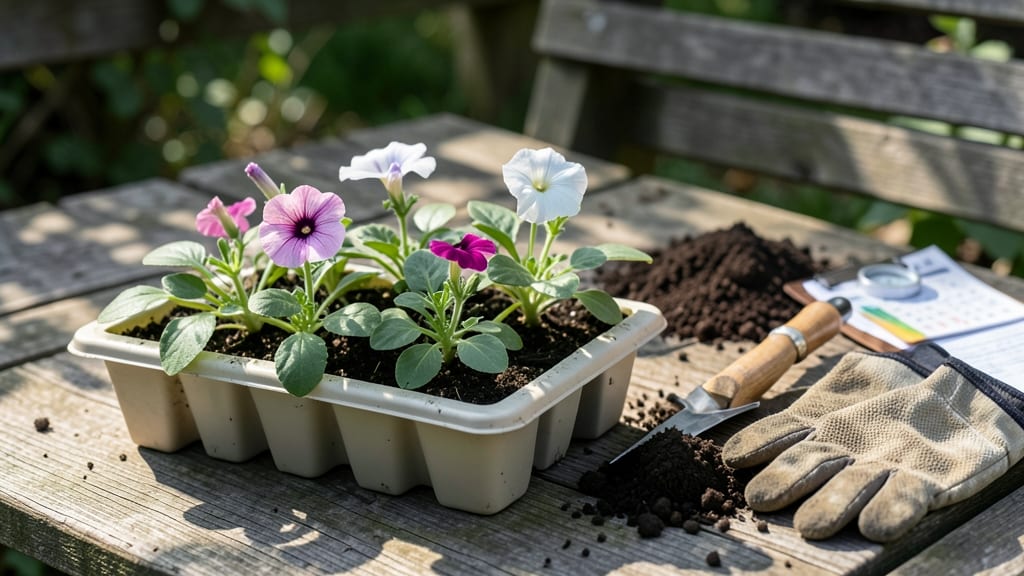
It is safe to plant flowers outside when the soil temperature reaches at least 50°F and all frost risk has passed — typically 2-4 weeks after your last spring frost.
Timing your flower planting perfectly can mean the difference between vibrant blooms and wilted disappointment. In USDA Zone 6a, like many northern regions, that window often opens around April 15–May 15, but a late frost or early heatwave can throw off even the best-laid plans.
You don’t need a degree in meteorology to get this right. A simple soil thermometer (or even your finger!) can tell you when the ground is ready, while checking your local last-frost averages gives you a baseline.
For cooler flowers like pansies or snapdragons, wait until nighttime temps stay above 40°F.
Below, I’ll break down the exact dates for your zone, how to adjust for unpredictable weather, and the best heat-tolerant flowers to plant now — no guesswork required.
USDA Zone-specific safe planting dates for flowers by heat tolerance
Getting your flowers in the ground at the right time is like catching a wave—too early, and frost will nip them; too late, and heat stress will stifle their growth.
The USDA Hardiness Zone you live in determines your last frost date, but even more critical is understanding how your flowers handle heat thresholds. Cool-season flowers like pansies and snapdragons thrive when nights stay cool, while marigolds and petunias need warmth to take off.
Below, I’ve broken down the ideal planting windows for both cool-season and warm-season flowers across all USDA zones (3–11), including soil temperature requirements and heatwave warnings. Pro tip: Always check your local Almanac’s frost-free date—it can vary by 1–2 weeks from the averages here!
For cool-season flowers, the goal is to plant 4–6 weeks before your last frost date. In Zone 5, that means mid-March to late April, while in Zone 10, you can start as early as mid-January.
These flowers—like calendulas and stocks—can handle light frosts and even bloom in cooler weather. Just avoid planting when nighttime temps drop below 40°F.
Warm-season flowers, however, need consistent warmth to germinate and thrive. In Zone 6, wait until mid-May to plant geraniums or zinnias, as soil temperatures below 60°F will stunt their growth.
In Zone 9, you can start as early as late February, but be ready to protect seedlings with shade cloth if a heatwave hits unexpectedly.
One of my biggest mistakes was planting impatiens in Zone 7 too early—April showers turned into 90°F heatwaves by May, and my poor seedlings wilted within days. Now, I use a soil thermometer to confirm the ground is at least 65°F before planting heat-lovers like hibiscus or sunflowers.
A $10 tool can save you dozens of dead plants!
Don’t forget about microclimates—your south-facing garden bed might be 5–10°F warmer than the rest of your yard. If you’re unsure, test your soil temperature for 3–5 days before planting. And if your area is prone to late frosts
How to adjust planting times for late frosts, early heatwaves, and microclimates
Unpredictable weather can turn your carefully planned planting schedule into a guessing game. A late frost in May or an early heatwave in April might leave your delicate seedlings struggling to survive. The key is flexibility—adjusting your timeline based on real-time conditions rather than relying solely on averages.
Start by monitoring your local last-frost dates from sources like the National Oceanic and Atmospheric Administration (NOAA), but always cross-check with a soil thermometer. For most flowers, soil should stay above 50°F (10°C) for at least a week before planting.
In my Zone 6a garden, this often means waiting until late May instead of the usual mid-April window.
Microclimates—like a sunny south-facing wall or a shady corner under trees—can create 5–10°F temperature differences in your yard. A spot near your house might warm up faster than the open garden bed, allowing you to plant heat-loving flowers like zinnias a week earlier.
Always test these spots with your thermometer before committing.
⚠️ When Is It Safe to Plant Flowers Outside?
Don’t rush! Even if your local forecast says frost risk is over, wait until nighttime temperatures stay above 40°F (4°C) for cool-season flowers like pansies or snapdragons. For warm-season varieties (e.g., marigolds, petunias), hold off until soil hits 60°F (16°C)—cold soil can stunt root growth.
Pro Tip: Use a row cover to extend your planting window by 2–4 weeks in spring or fall. This creates a microclimate bubble that protects seedlings from late frosts while letting them harden off gradually.
Hardening off seedlings is another critical step. If you’ve grown flowers indoors or in a greenhouse, expose them to outdoor conditions for 7–10 days before planting.
Start with 2–3 hours of shade on day one, then gradually increase sunlight and wind exposure. This mimics natural conditions and reduces shock when you transplant.
For early heatwaves, prioritize shade-tolerant flowers like coleus or impatiens and use mulch to keep roots cool. In my garden, I’ve seen zinnias wilt within hours when daytime temps hit 90°F (32°C)—so I delay planting heat-sensitive varieties until July.
A simple shade cloth can buy you extra time for sensitive seedlings.
Finally, keep a gardening journal to track your adjustments year after year. Note which spots in your yard warm up fastest, which flowers thrive in your microclimates, and how early heatwaves affect your plants. Over time, you’ll develop a customized planting calendar that beats Mother Nature’s surprises.