
Flowers
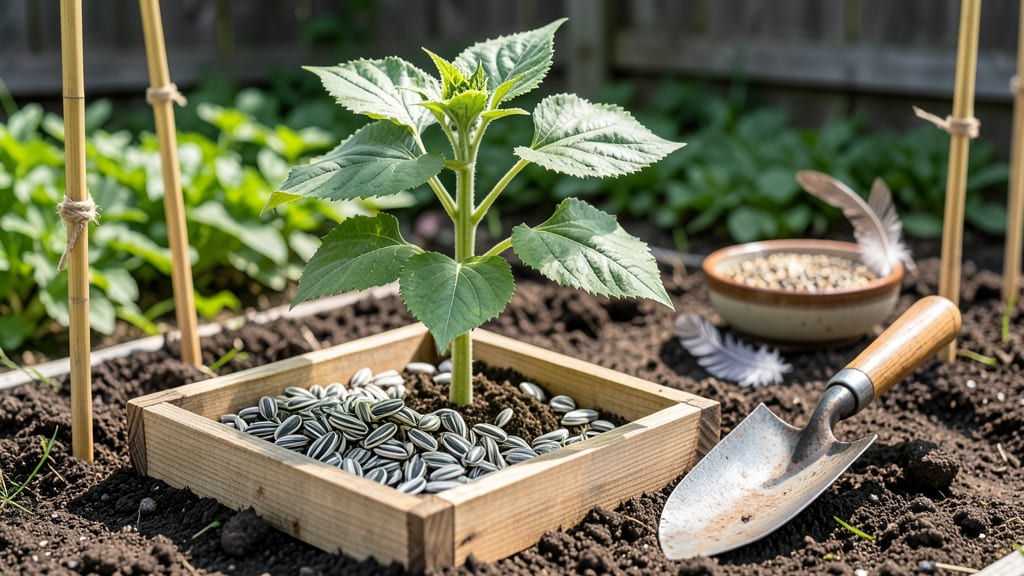
Planting sunflowers in Texas for doves means timing them to bloom just as these birds arrive, around March through April in most of the state.
You’ve got two big goals: avoiding frost damage and ensuring seed heads ripen before doves migrate. Get it wrong, and you’ll either lose your plants to cold snaps or miss the window when doves are most active in your garden.
Texas’s USDA Zones 8a-10b mean your planting window shifts slightly—North Texas gardeners should wait until March, while South Texas can start as early as February. The key is soil warmth, not just calendar dates.
Below, I’ll break down the exact months by zone, how to prep soil for drought resistance, and which sunflower varieties doves love most—so you end up with a bird-friendly buffet instead of empty stems.
Best planting months for sunflowers in Texas by USDA Zone
Texas gardeners know timing is everything when planting sunflowers for doves. The Lone Star State’s diverse USDA Zones 8-10 create unique planting windows that align with dove migration patterns.
In North Texas (Zone 8a), frost risks linger until March 1, while South Texas (Zone 10b) enjoys frost-free soil as early as January. The key is planting sunflowers early enough to mature before dove migration peaks in late summer.
Sunflowers need 60-120 days to reach seed maturity, so your planting window depends on your zone. For North Texas, aim for March-April to ensure seeds ripen by September-October.
In Central Texas (Zone 8b-9a), you can start as early as February, while South Texas gardeners have flexibility until April for late-season varieties.
🌱 SUMMARY TABLE: Texas Sunflower Planting by Zone
For North Texas gardeners, planting in late March gives sunflowers enough time to mature before dove migration peaks in August-September. The 210 frost-free days in this zone mean you can also try late April plantings for fall dove activity.
Always check your local frost dates—a late freeze can devastate young sunflower seedlings.
Central Texas offers more flexibility with February plantings possible in Zone 9a. This aligns perfectly with dove migration patterns, providing seed-rich sunflower heads from July through October.
Choose drought-tolerant varieties like 'Autumn Beauty' to handle Central Texas's summer heat and sporadic rains. Water deeply once a week during establishment to prevent wilting.
South Texas gardeners have the advantage of year-round growing potential, but focus on February-March plantings for optimal dove feeding. The longer growing season allows for successive plantings every 4-6 weeks to extend the seed supply.
In Zone 10b, you can even plant late-season varieties in April for fall dove activity.
Always test your soil temperature before planting—sunflower seeds need soil at 55°F (13°C) to germinate. Use a soil thermometer or wait until after the last frost. In North Texas, this often means waiting until mid-April, while South Texas can start as early as January.
Pro tip: Plant early varieties like 'Teddy Bear' in March for quick dove attraction, then follow with tall varieties like 'Russian Giant' in April for late-season seeds. This staggered approach ensures doves have food from summer through fall.
Remember that doves prefer mature seed heads, so aim for full maturity by August in North Texas and July in South Texas. With proper timing, your sunflowers will provide natural dove buffets while adding stunning vertical interest to your garden.
🌻
How dove feeding habits affect sunflower planting timing
Doves aren’t picky eaters, but they do have preferences when it comes to sunflower maturity. They flock to plants during the budding stage for nectar but rely on ripe seed heads for their primary food source.
Understanding this behavior helps you time your planting to create a continuous food supply. In Texas, where dove populations peak in late summer and fall, aligning sunflower growth with these seasons is key.
Sunflowers reach their seed-producing stage in 60-120 days after planting, depending on the variety. For Texas gardeners, this means early spring plantings (February-March) yield seeds by summer, while late spring plantings (April-May) produce seeds in fall.
Both windows align with dove migration patterns, ensuring a steady food source for these birds throughout their active seasons.
🌻 Key Planting Timing Tips for Dove-Friendly Sunflowers
- 1. Plant early varieties (50-60 days to maturity) in February-March for summer seeds when doves are most active.
- 2. Choose late-season varieties (90-120 days to maturity) for fall harvests, matching dove migration peaks.
- 3. Prioritize drought-resistant varieties like 'Autumn Beauty' or 'Mammoth' to handle Texas heat and ensure seed production.
- 4. Space plants 12-18 inches apart to prevent overcrowding, which can reduce seed yield and attract fewer doves.
- 5. Avoid planting after mid-May in North Texas to prevent early frost damage before seeds mature.
Doves also prefer taller sunflowers (6+ feet) because they provide better perching spots and easier access to seeds. Varieties like 'Russian Giant' or 'Mammoth' are ideal, but even dwarf varieties (3-4 feet) can work if planted in clusters.
The key is ensuring the seed heads are accessible while still being protected from birds until maturity.
Texas’s unpredictable weather adds another layer of complexity. Droughts can stress plants and reduce seed production, while sudden rains may delay flowering. To mitigate these risks, mulch heavily around sunflower bases to retain moisture and water deeply once a week during dry spells.
This ensures your sunflowers remain healthy and productive for doves.
For gardeners in South Texas (Zones 9-10b), where winters are milder, you can even plant a second crop in late summer (August-September) for fall seeds. This extends the dove feeding window and maximizes your garden’s wildlife benefits.
Just be sure to choose heat-tolerant varieties like 'ProCut' or 'Soraya' to thrive in the late-season heat.
By aligning your sunflower planting schedule with dove feeding habits, you’ll create a self-sustaining ecosystem in your Texas garden. Not only will you enjoy beautiful blooms, but you’ll also play a crucial role in supporting local wildlife populations—all while minimizing pest damage and maximizing seed production.
It’s a win-win for both your garden and the doves that visit it! 🌿