
Propagation
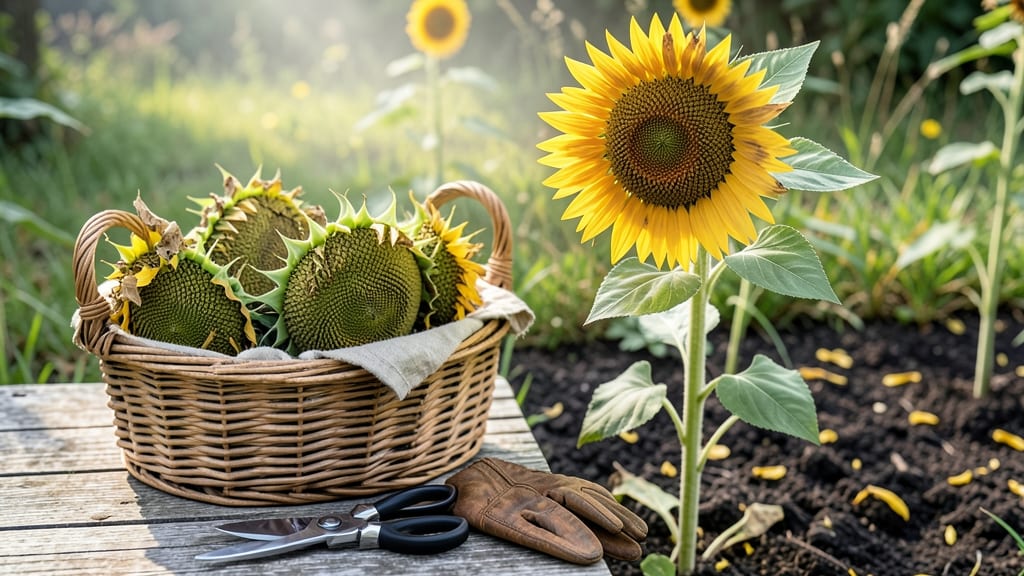
Cut sunflower heads when the back of the petals turns yellow and the seeds are plump but still slightly green 🌻 — that’s the sweet spot for seed collection or dried arrangements.
You’ve spent months watching your towering 🌻 sunflowers grow, only to wonder: When is the perfect moment to cut them? Harvest too early, and you miss out on viable seeds.
Wait too long, and birds or rain can ruin your hard work. The key is catching them at peak maturity, before the seeds fully dry on the stalk.
This isn’t just about aesthetics—it’s about maximizing yield. Whether you’re saving seeds for next year’s garden or crafting dried bouquets, timing matters. Below, I’ll walk you through the 3 visual cues that tell you it’s time, plus how to handle different varieties for the best results.
Ready to avoid common mistakes? You’ll also learn what happens if you cut too soon or too late—and how to salvage heads that missed the window.
3 Key visual signs sunflower heads are ready for cutting
Timing your sunflower harvest correctly means the difference between plump, viable seeds and dry husks that crumble at the touch. The ideal moment arrives when seeds are fully mature but haven’t yet dried completely—a delicate window that lasts just 2-3 days.
Miss it, and you’ll either lose seeds to birds or end up with shriveled, non-germinating stock. Here’s how to spot that perfect moment using simple visual cues.
First, focus on the petal color as your primary indicator. When sunflowers first bloom, their petals are vibrant bright yellow, but as they mature, they begin to droop and darken.
This color shift signals the plant is redirecting energy from flower display to seed production. The transition from yellow to brownish-yellow is your first major alert that harvest time is near.
Next, examine the back of the flower head, which often gets overlooked. This area should turn from green to golden-brown as the seeds mature. If you see dry, papery bracts forming along the back, that’s your second visual confirmation.
These bracts protect the seeds and signal that the seed moisture content is dropping—critical timing for harvest before they become too brittle.
🌻 3 Visual Signs Your Sunflower Is Ready
-
1. Petals Turn Brownish-Yellow
Drooping petals with dull yellow/brown edges mean seeds are maturing. -
2. Back of Head Turns Golden-Brown
Check the receptive surface—if it’s dry and papery, seeds are ready. -
3. Seed Head Feels Heavy & Firm
Lift the flower head—if it’s dense and weighty, seeds are plump and viable.
Pro Tip: Combine these signs with the finger squeeze test (covered next) for 100% accuracy.
The seed head texture is your third critical clue. When mature but not overripe, sunflower heads should feel heavy and firm to the touch. Gently press the center—if it resists slightly but doesn’t feel rock-hard, the seeds are ideal for harvest.
Overripe heads become light and hollow, while underripe ones feel spongy and underdeveloped. This tactile check is especially useful for giant varieties, where visual cues can be harder to spot from a distance.
Pay special attention to the seed color and size inside the head. Mature sunflower seeds should be dark (black, gray, or striped) and plump, but not yet fully brown or dried out.
If you split open a seed and see a white or pale interior, it’s not ready—these seeds won’t store well. Conversely, if the seeds are shriveled or cracked, you’ve waited too long. Aim for seeds that feel firm and moist inside, like a ripe avocado pit.
Harvesting at the right time also depends on your sunflower variety. Dwarf varieties (like ‘Teddy Bear’) mature faster (around 70-80 days) and may show these signs slightly earlier than giant varieties (like ‘Mammoth’), which can take up to 120 days.
Always check your seed packet for days to maturity and adjust your timing accordingly. For bird-resistant varieties, harvest even sooner—birds can strip a head clean in 24 hours once seeds are mature.
One common mistake is waiting until the petals fall off completely. By this point, seeds may already be overripe and dried out, reducing their viability.
Instead, cut the head when you see 50-70% of petals turning brown and drooping—this gives you a 1-2 day window to harvest before seeds start drying on the plant. For seed-saving purposes, this window is your golden opportunity.
After cutting, hang the heads upside down in a dry, well-ventilated space to finish drying. This step is crucial—if you rush drying indoors with heat, seeds may sprout prematurely. A garage or shed with natural airflow works best.
Once fully dry (seeds rattle when shaken), remove them from the head and store in a cool, dark place for up to 2 years. Proper timing at harvest ensures you’ll have high-quality seeds ready for next season’s planting.
Remember, the earlier you harvest, the better the seed quality. Don’t let perfectionism cost you your crop—when you see all three signs (brownish petals, golden-brown back, heavy head), grab your pruners or sharp knife and make the cut. Your future garden (and hungry birds) will thank you.
How to test seed maturity: the finger squeeze method
Once you’ve spotted the visual cues that your sunflower heads are nearing maturity, the next step is confirming seed readiness with a simple but effective test. The finger squeeze method is my go-to trick for determining whether seeds are perfectly ripe for harvesting.
This technique works for all sunflower varieties—whether you’re growing giant mammoth types, dwarf varieties, or bird-resistant hybrids.
Start by selecting a healthy sunflower head that shows the visual maturity signs we discussed earlier. Gently grasp the seed head with one hand while using your thumb and index finger to apply light pressure to the outer seeds.
If the seeds feel plump and firm but still give slightly under pressure—like ripe avocados—they’re ready for harvest. This indicates the seeds have reached optimal moisture content for viability.
For giant sunflower varieties, like 'Mammoth' or 'Russian Giant,' the seed heads can be particularly dense.
In these cases, you may need to apply slightly more pressure to feel the seeds' firmness accurately. Dwarf varieties, such as 'Teddy Bear' or 'Little Becka,' have smaller seed heads, so a gentler squeeze will suffice. Bird-resistant types, like 'Autumn Beauty,' often have thicker seed coats, so they’ll feel firmer when mature.
If the seeds feel too soft or mushy under pressure, they’re not yet mature—wait another 2-3 days and retest. Conversely, if the seeds feel hard and brittle, they’ve likely dried too much on the stalk, which can reduce germination rates.
This is especially critical for bird-resistant varieties, as their seeds may dry faster due to their thicker shells.
After confirming maturity with the finger squeeze, use a sharp pruning shears or clean knife to cut the stem cleanly. Immediately hang the heads upside down in a dry, well-ventilated area, like a garage or shed, to complete the drying process.
This prevents mold and ensures seeds remain viable for planting next season.
For dwarf sunflowers, which mature faster, you might need to check seed readiness every 3-4 days during peak harvest season. Meanwhile, tall varieties can take longer—sometimes up to 120 days—so monitor them closely.
Once fully dry, gently rub the seeds between your hands to separate them from the head, then store them in a paper envelope in a cool, dark place for up to 5 years.
Mastering the finger squeeze method ensures you never miss the perfect harvest window again. Whether you’re saving seeds for your garden or crafting dried arrangements, this simple test takes the guesswork out of sunflower harvesting—so you can enjoy both the beauty and bounty of these sun-loving plants.