
Flowers
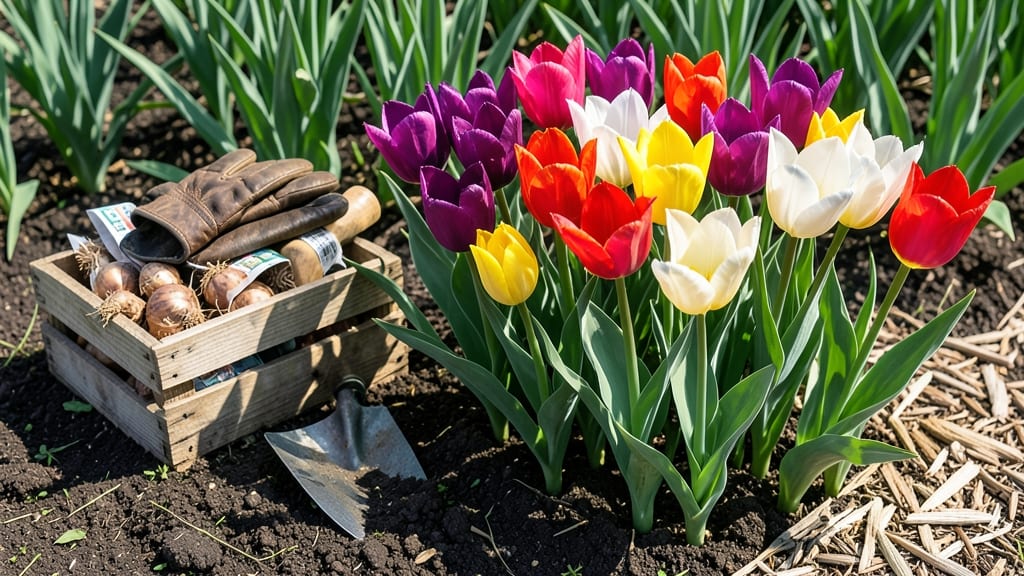
A Zone 6a planting schedule for flowers means the difference between a garden bursting with color and one that barely gets off the ground. Whether you’re dreaming of bold annuals or hardy perennials, the wrong timing can leave you staring at frost-killed seedlings or flowers that never bloom.
Timing is everything in gardening—plant your flowers too early in Zone 6A, and frost will wipe them out; too late, and they’ll struggle to bloom before winter. Here’s your precise frost-free planting schedule, broken down by flower type, so you never miss a season again.
From March bulbs to September perennials, this schedule accounts for Zone 6a’s 165 frost-free days and the quirks of your local microclimate. You’ll learn exactly when to sow seeds, transplant seedlings, and even push your luck with late-season bloomers—without risking a surprise freeze.
Below, I’ll walk you through the month-by-month deadlines for annuals, perennials, and bulbs, plus how to adjust for urban heat islands or sheltered valleys. No more guessing—just a foolproof plan to turn your garden into a year-round showstopper.

Zone 6A frost dates & critical planting windows for flower varieties
In Zone 6A, where average minimum winter temperatures range from -10°F to -5°F, understanding your last and first frost dates is crucial for timing flower plantings correctly. The average last frost date falls around April 15, while the first frost typically arrives by October 15.
These dates create a 165-day frost-free window, giving you a precise timeline for planting annuals, perennials, and bulbs to maximize blooms.
For annual flowers, like marigolds and zinnias, the key is planting after soil temperatures reach 60°F—usually mid-May in most Zone 6A regions. Perennial flowers, such as coneflowers and black-eyed Susans, benefit from being planted in early spring or fall to establish strong root systems before extreme temperatures.
Meanwhile, bulbs like tulips and daffodils need to be planted 6–8 weeks before the first frost to ensure they bloom in spring.
Here’s a summary table breaking down the critical planting windows for common flower types in Zone 6A, including adjustments for slow-to-establish perennials and tender annuals that can’t tolerate frost.
For late-spring plantings, always monitor local frost forecasts—even if the average last frost date has passed, a late cold snap can still damage tender annuals like impatiens or coleus.
I recommend using a frost-free date calculator tailored to your specific location, as microclimates (like urban heat islands or sheltered valleys) can shift frost dates by 1–2 weeks.
Extending your fall blooms is equally important. Plant cold-hardy annuals like pansies and snapdragons in late summer (August) to enjoy color well into October or November. These varieties thrive in cooler temperatures and can often handle light frosts, making them ideal for pushing your garden’s season.
If you’re unsure about your local frost dates, check with your local cooperative extension office or use online tools like the National Oceanic and Atmospheric Administration (NOAA) frost prediction maps. These resources provide hyper-localized data that can help you fine-tune your planting schedule for maximum success.
Pro tip: Keep a gardening journal to track your own frost dates over the years—this will help you adjust future planting schedules based on your specific microclimate. Over time, you’ll notice patterns that may differ from the average Zone 6A guidelines.
By following these critical planting windows and staying flexible with your schedule, you’ll ensure your Zone 6A flower garden thrives year after year, regardless of unpredictable weather. Happy planting! 🌸
Best flowers to plant in Zone 6A by season (with deadline reminders)
Zone 6A’s 165 frost-free days create a perfect window for vibrant seasonal blooms, but timing is critical. Plant cold-hardy annuals like pansies too early, and they’ll bolt; delay heat-loving zinnias, and they’ll fade before summer’s peak.
Below, I’ve organized the best flowers by season, complete with exact deadlines to maximize your garden’s potential.
Spring is all about bulbs and early bloomers, while summer demands drought-tolerant annuals that thrive in Zone 6A’s heat. Fall offers a second chance with cool-season flowers that outperform in mild temperatures. Each list includes my top picks, planting deadlines, and pro tips to avoid common mistakes.
📅 Zone 6A Flower Planting Countdown
- 🌱 March 1–15: Plant tulip bulbs and daffodils 6–8 weeks before last frost (April 15). Pro tip: Chill bulbs for 12 weeks first.
- 🌿 April 1–30: Sow cool-season annuals (pansies, snapdragons) and transplant perennials (coneflowers, black-eyed Susans).
- ☀️ May 15–June 1: Start heat-loving annuals (zinnias, marigolds) after soil reaches 60°F. Use row covers for early starts.
- 🌼 June 15–July 15: Deadhead spring bloomers (peonies, lilacs) to encourage reblooming. Add fall-planted bulbs (crocus, hyacinths).
- 🍂 August 1–15: Plant late-season annuals (cosmos, sweet alyssum) and hardy perennials (astilbe, sedum) for fall color.
- 🌙 September 1–15: Last call for pansies and snapdragons—they’ll bloom until frost! Mulch to protect roots.
For spring blooms, prioritize tulips, daffodils, and hyacinths—plant bulbs in October–November or early March for reliable color. Pansies and violas are my go-to cool-season annuals; they handle light frosts and add early-season cheer. Direct-sow seeds in March or transplant hardened-off seedlings in April.
Summer demands sun-worshippers like zinnias, marigolds, and sunflowers. Wait until after May 15 to sow seeds—soil must be at least 60°F to prevent rot. Deadhead weekly to prolong blooms, and water at the base to avoid fungal issues.
For fall extensions, try cosmos and sweet alyssum; they thrive in cooler temps and attract pollinators.
Don’t overlook perennials like coneflowers and black-eyed Susans, which establish roots in spring and reward you with years of blooms. Transplant them in April–May for best results. Mulch heavily in fall to protect roots from freeze-thaw cycles.
Even in Zone 6A, a little prep ensures your garden stays stunning from spring to frost.
Use this schedule as your garden’s roadmap, but stay flexible—Zone 6A’s microclimates can shift deadlines by weeks. For example, urban areas may stay warmer, while valleys can experience late frosts.
Always check your local frost dates and adjust accordingly. With these deadlines, your Zone 6A garden will be the neighborhood envy—season after season.