
Flowers
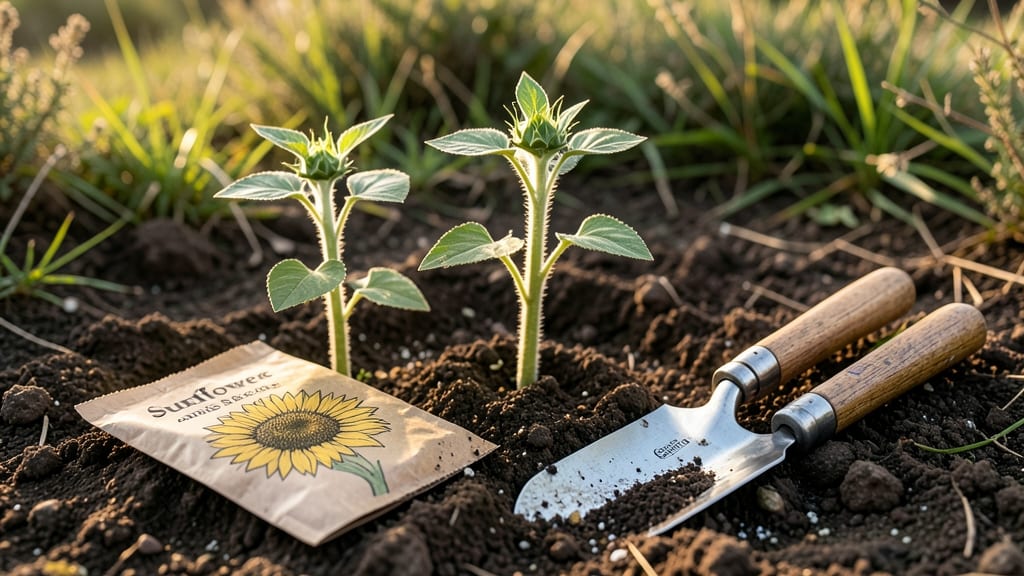
To plant sunflowers in Texas, aim for February through April in North Texas and March through May in Central and South Texas—timing that avoids both frost and scorching heat.
Sunflowers thrive in Texas’ long growing season—but plant them too early or late, and you’ll miss their towering beauty. Timing is everything, and the right frost-date strategy ensures your sunflowers bloom from spring to fall.
Texas gardeners know that soil temperature and local frost dates make all the difference. North Texas can start as early as February, while South Texas waits until March, but heat tolerance and drought resistance are just as critical as timing.
Below, I break down the exact planting windows by USDA zone, share soil prep tips for Texas clay, and reveal the best varieties for your region—so you can grow sunflowers that reach 10 feet or more.
Texas sunflower planting calendar by USDA Zone and frost dates
Texas gardeners enjoy one of the longest growing seasons in the U.S., making sunflowers a perfect choice—but timing matters. Planting too early risks frost damage in North Texas, while late planting in South Texas may mean missed blooms before summer heat sets in.
Understanding your USDA zone and frost dates ensures your sunflowers thrive from spring through fall.
Sunflowers are incredibly adaptable, but Texas’ extreme heat and variable frost dates require precise timing. In USDA Zone 7 (North Texas), you’ll have a shorter window, while Zones 8-10 (Central and South Texas) offer extended planting opportunities.
Even in warm zones, early spring or late fall plantings can struggle with inconsistent soil temperatures.
Key factors for Texas sunflower success include:
- Soil temperature (wait until at least 50°F/10°C)
- Frost-free period (varies by region)
- Heat tolerance of your chosen variety
- Seasonal variations between spring and fall plantings
In USDA Zone 7 (North Texas), your planting window is tight—focus on March through April for spring blooms. For fall plantings, aim for September to October before cooler temperatures arrive. These zones benefit from early-maturing varieties like 'Teddy Bear' (50-60 days) to ensure blooms before frost.
Gardeners in USDA Zones 8-9 (Central Texas) enjoy the longest growing seasons, with opportunities for spring, summer, and fall plantings. Start seeds indoors in February for early spring blooms, then follow with succession plantings every 2-3 weeks through June.
For fall, plant in July-August to avoid summer heat stress while still achieving blooms before winter.
South Texas (Zone 10) is unique—sunflowers can theoretically grow year-round, but peak summer heat (June-August) requires special care. Plant in early spring (January-February) or late summer (August-September) when temperatures dip slightly. Use shade cloth during extreme heat (above 95°F
How to extend your sunflower season in Texas heat
Texas summers can turn your sunflowers into wilting shadows if you don’t adapt. The key to prolonged blooms lies in strategic shade, deep watering, and choosing heat-tolerant varieties. Even our 100°F+ days won’t stop sunflowers with the right approach.
Start by selecting late-season varieties like 'Autumn Beauty' or 'ProCut'—these bloom well into October. Pair them with succession planting every 2-3 weeks to keep flowers appearing all season. This simple trick ensures your garden stays vibrant when others fade.
- 1 Shade cloth magic: Use 30-50% shade cloth during peak afternoon heat (12 PM–4 PM) to prevent wilting. Secure it 2–3 feet above plants to allow airflow.
- 2 Deep watering: Water deeply 2x weekly (1–2 gallons per plant) at soil level, not overhead. Use drip irrigation to avoid fungal risks from humidity.
- 3 Mulch like a pro: Apply 3–4 inches of mulch (straw or wood chips) to retain moisture and cool roots. Replenish after heavy rains to maintain coverage.
- 4 Succession planting: Sow new seeds every 2 weeks from April through July. This ensures continuous blooms as earlier plants mature.
- 5 Heat-resistant picks: Choose 'Russian Giant' (tolerates heat better than most) or 'Moulin Rouge' (compact but durable). Avoid tall varieties like 'Mammoth' in extreme heat.
Don’t forget to prune spent blooms regularly—this redirects energy to new growth and keeps your plants producing flowers instead of seeds. A quick trim with clean shears every 2 weeks works wonders for extended season performance.
For container gardeners, use self-watering pots and place them in partial shade during heatwaves. Even dwarf varieties like 'Teddy Bear' need protection when temperatures exceed 95°F. A simple white shade tent over containers can add 10°F of relief.
With these strategies, your sunflowers will bloom from May to November, turning your Texas garden into a year-round spectacle. The secret? Treat them like heat-loving athletes—hydrate, shade, and feed them just right.