
Flowers
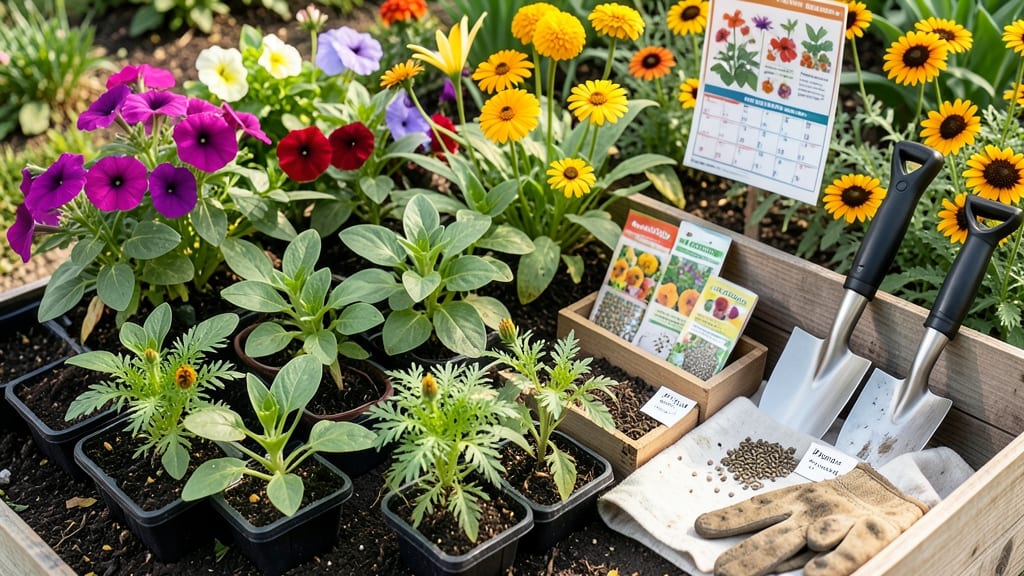
Planting flowers in Illinois at the right time means the difference between a garden that thrives and one that fades before summer 🌸 — and the USDA Zone 5-6 schedule holds all the secrets to getting it right.
Timing your flower planting in Illinois wrong can mean wilting dreams before buds even bloom—but get the USDA Zone 5 and 6 schedule right, and your garden will burst with color from spring to frost.
Whether you're planting annuals for instant summer impact or perennials that return year after year, Illinois' frost dates and microclimates demand precision. Northern regions like Chicago face later last frosts, while southern areas like St. Louis may experience unexpected cold snaps.
Below, I break down the exact planting windows for every type of flower—plus soil prep tips and frost-proofing tricks—to ensure your garden blooms on schedule, no matter where in Illinois you live.
Illinois flower planting calendar by season (Zone 5 & 6 specific)
Getting your flower planting schedule right in Illinois means understanding the last frost dates that vary between Zone 5 (northern regions like Chicago) and Zone 6 (southern areas like St. Louis).
The average last frost date ranges from April 15 in the north to May 1 in the south, while the first frost typically arrives between October 15-30. Timing your spring blooms and fall perennials around these dates ensures vibrant gardens year-round.
For tender annuals like marigolds or petunias, wait until after your last frost date to avoid cold damage.
Meanwhile, cold-hardy perennials like coneflowers or black-eyed Susans can go in the ground as early as late March in southern Illinois. Bulbs like tulips should be planted in fall (September-October) to establish roots before winter.
Here’s your seasonal planting guide for Illinois, broken down by month and flower type to maximize blooms and minimize frost risks:
| Month | Plant Type | What to Plant | Notes for Illinois |
|---|---|---|---|
| February | Bulbs | Tulips, Daffodils, Hyacinths | Plant in Zone 6 only; Zone 5 wait until March. |
| March | Perennials | Coneflowers, Black-Eyed Susans, Lavender | Start in southern Illinois; northern wait until April. |
| April | Annuals | Marigolds, Petunias, Zinnias | Wait until after last frost (April 15-30). |
| May | Tender Plants | Geraniums, Snapdragons, Cosmos | Soil should be 60°F+; mulch to retain warmth. |
| June-July | Succession Planting | Sunflowers, Nasturtiums, Bachelor’s Buttons | Replace spent blooms for continuous color. |
| August | Fall Bloomers | Mums, Asters, Salvia | Start 6-8 weeks before first frost. |
| September | Bulbs | Crocus, Allium, Fall-Planted Tulips | Plant before soil freezes (October). |
For northern Illinois (Zone 5), prioritize late April for most annuals, while southern Illinois (Zone 6) gardeners can start 2-3 weeks earlier. Cold frames or row covers can extend your spring planting window by 2-3 weeks, protecting tender seedlings from late frosts.
Always check your local Almanac frost dates for precise timing.
In summer, focus on succession planting to keep your garden blooming. Replace spent annuals like pansies with heat-tolerant varieties such as celosia or gaillardia in July. Mulch heavily in August to insulate fall-planted bulbs and perennials from early frosts.
Fall is the perfect time to divide perennials like daylilies or hostas and plant spring-blooming bulbs. Zone 5 gardeners should aim to finish bulb planting by October 15, while Zone 6 has until November 1. Cover bulbs with 4-6 inches of mulch to prevent heaving during freeze-thaw cycles.
Don’t overlook winter prep! After the first frost, cut back annuals and tender perennials to ground level. Leave seed heads on native perennials like coneflowers to feed wildlife and collect seeds for next year. Protect evergreens with burlap wraps if heavy snow is expected.
By following this Illinois-specific schedule, you’ll enjoy longer bloom seasons and <
How to adjust planting times for Illinois' microclimates and frost risks
Illinois' USDA Zones 5 and 6 create unique challenges for gardeners, with Chicago's cold snaps and St. Louis' late freezes throwing off even the most careful planting schedules. The key to success? Understanding how microclimates and frost risks affect your specific location—and adjusting your timing accordingly.
Northern Illinois gardens often face earlier last frosts (as early as April 15 in Zone 5), while southern regions like St. Louis may experience late freezes into May.
Even within cities, urban heat islands can create 5-10°F warmer microclimates near buildings or pavement, extending your growing season by 1-2 weeks.
⚠️ Frost Risk Warning: Illinois' Unpredictable Freezes
Never rely on average frost dates—Illinois' late spring freezes can strike as late as May 15 in northern areas, while fall frosts may arrive by October 1 in southern zones. Use frost-protective fabrics for early spring plantings and row covers for tender annuals until May 30 in Zone 5 or June 10 in Zone 6.
Pro Tip: Monitor local weather alerts and plant cold-hardy varieties like pansies, snapdragons, or calendula 2-3 weeks before your average last frost to ensure blooms before summer heat arrives.
To extend your season, start cold-hardy annuals indoors 6-8 weeks before your last frost date or use season extenders like cold frames and hoop houses. For perennials, divide and transplant in early spring (March-April) or early fall (September) to avoid frost damage during their most vulnerable growth phases.
For tender flowers like marigolds or zinnias, wait until after May 15 in Zone 5 or May 1 in Zone 6 to plant outdoors. If you're eager for color, opt for frost-tolerant varieties such as black-eyed Susans or coneflowers, which can handle light frosts and still bloom beautifully.
In urban microclimates, south-facing walls or sunny balconies can create pockets where tender plants thrive 2-3 weeks earlier than in open gardens. Use these spots for heat-loving annuals like geraniums or salvia, while protecting them with frost cloth during unexpected cold snaps.
Always check the National Weather Service or Midwestern Regional Climate Center for localized frost forecasts—these resources provide hyperlocal adjustments that can save your early plantings from devastating freezes. With the right timing and tools, Illinois' unpredictable climate won't stop your garden from flourishing!