
Flowers
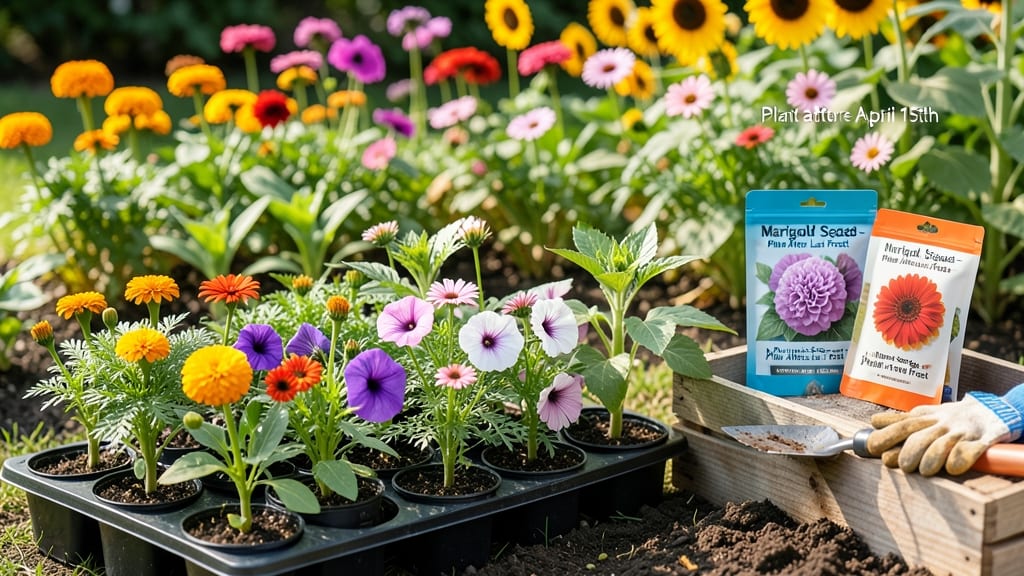
To plant flower seeds in Illinois at the perfect time means avoiding frost damage or stunted growth—timing is everything, especially in zones 5a-6b where spring and fall can swing wildly.
Picture this: you’ve prepped your soil, chosen your 🌸 favorite blooms, and even marked your calendar—only to watch a late frost turn your seedlings into sad, wilted memories. Or worse, planting too late and missing the summer bloom window entirely.
Illinois gardeners know the drill: Mid-April to early June is your spring window, but southern Illinois can start as early as March, while northern areas might wait until May. Fall planting? Late July to mid-August gets you those late-season blooms before winter sets in.
Below, I’ll break down the exact frost-free dates by zone, which flowers thrive in your region, and how to adjust for Illinois’ unpredictable weather—so you can finally grow the garden you’ve always dreamed of.
Illinois frost-free dates by hardiness zone: when to plant flower seeds
Getting your flower seeds in the ground at the right time in Illinois is crucial—late frosts in spring or early heat in summer can devastate your garden before it even begins. Illinois spans USDA hardiness zones 5a through 7b, meaning frost-free dates vary dramatically from north to south.
For example, northern Illinois (zone 5a) might see its last frost around May 15, while southern Illinois (zone 7b) could be frost-free by March 20. Understanding these dates ensures your annuals and perennials thrive.
Timing also depends on whether you're planting cool-season flowers (like pansies or snapdragons) or warm-season bloomers (such as marigolds or zinnias). Cool-season flowers can often handle light frosts, while warm-season varieties need consistent warmth to germinate.
Even experienced gardeners in Illinois adjust their planting schedules yearly based on unpredictable weather patterns, so flexibility is key. Let’s break down the exact frost-free dates by zone to help you plan your flower seed calendar with confidence.
Here’s a quick reference for Illinois’ hardiness zones and their average frost-free dates, including ideal planting windows for both spring and fall sowing. Use this as your guide to align your garden with nature’s timeline.
If you’re in zone 5a or 5b, don’t rush to plant—wait until after May 15 to avoid late spring frosts, which can kill tender seedlings. In contrast, gardeners in zone 7b can start sowing cool-season flowers as early as February under row covers or in a greenhouse.
This extended window lets you enjoy early blooms like sweet peas or violas, which love cooler temperatures.
For fall planting, aim to sow seeds 8–10 weeks before your first frost. In northern Illinois, this means starting in late July, while southern zones can extend planting until early October.
Fall-blooming flowers like asters or chrysanthemums benefit from this strategy, as they establish roots in cool weather and bloom beautifully before winter sets in.
Pro tip: Use a soil thermometer to confirm soil temperatures are above 60°F
Best flower seed planting times by variety: annuals vs. perennials
Choosing the right time to plant flower seeds in Illinois depends on whether you're growing annuals or perennials. Annuals like marigolds and petunias thrive when planted after the last frost, while perennials like coneflowers can handle cooler soil.
Illinois' 5a-6b zones mean timing varies—northern areas wait until May, while southern regions can start in March.
For annual flowers, aim for mid-April to early June after soil warms to 60°F. Perennials, however, can often be sown 4-6 weeks before last frost for early blooms.
Below, I’ve broken down the best planting windows for your favorite Illinois flowers, including succession planting tips to extend your bloom season.
🌱 Pro Tip: Use a soil thermometer—seeds need consistent warmth to germinate. If temps dip below 50°F, delay planting or use row covers.
🌿 Key Planting Times for Illinois Flowers
- 🌼 Marigolds (Annual): Plant after last frost (mid-April–May) for summer blooms. Succession plant every 2 weeks for continuous color.
- 🌻 Sunflowers (Annual): Sow directly after frost (late April–June). Tall varieties need deep, fertile soil—amend with compost before planting.
- 🌷 Petunias (Annual): Start indoors in March or plant outdoors after frost (May). Pinch back early blooms to encourage bushiness.
- 🌸 Coneflowers (Perennial): Sow seeds 4–6 weeks before last frost (March–April) or plant fall-seeded for spring blooms.
- 🌺 Black-Eyed Susans (Perennial): Direct-sow after frost (April–May) or stratify seeds in fall for earlier germination.
- 🌿 Zinnias (Annual): Plant late April–June for summer/fall blooms. Deadhead spent flowers to prolong flowering.
For heat-loving annuals like zinnias and marigolds, don’t wait too long—plant by early June to avoid bolting. Perennials, however, can handle cooler starts, so late August sowings often yield robust spring growth.
Illinois’ fall planting window (late July–mid-August) is perfect for cool-season perennials like asters and sedum. These varieties establish roots before winter, giving you early spring blooms the next year.
Need a longer bloom season? Try succession planting—sow fast-growing annuals like cosmos or bachelor’s buttons every 3 weeks from May to July. This keeps your garden vibrant from summer through fall.
Remember: Soil temperature matters more than air temperature. Use a soil thermometer—most flower seeds need 60–70°F for germination. If your soil is cold, start seeds indoors or use heat mats for faster sprouting.