
Flowers
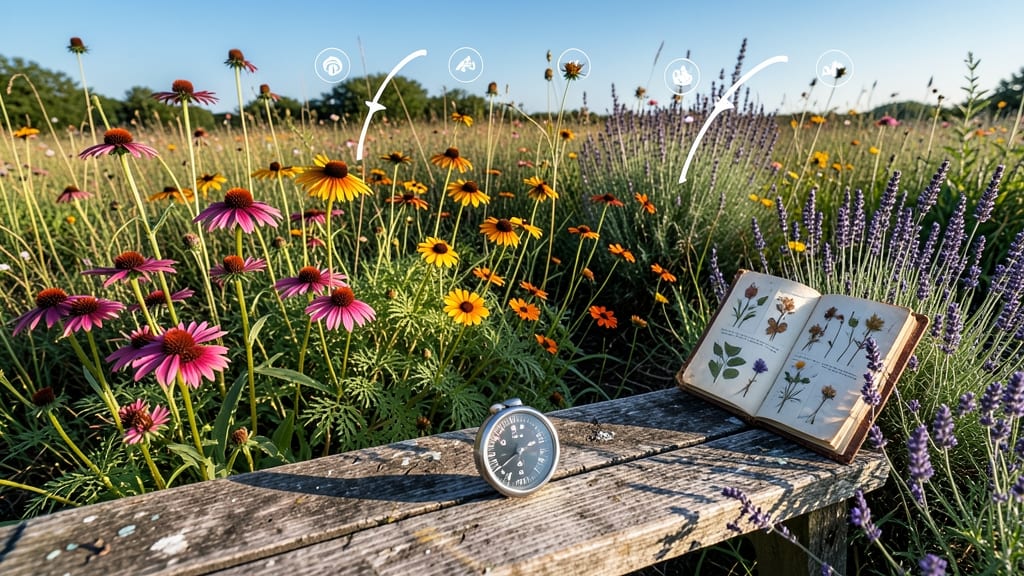
Wildflowers need at least 4 to 6 hours of sunlight daily to thrive, though some varieties love full sun all day long 🌼 — and getting this right is the difference between a garden bursting with color and one that struggles to bloom.
Picture this: you’ve spent time and money planting a wildflower meadow, only to watch your Black-Eyed Susans and Coneflowers grow tall but produce tiny, sparse blooms. That’s a classic sign of light deprivation, and it’s easier to fix than you think.
Not all wildflowers are created equal when it comes to sun. Sun-loving varieties like Lupines and Coreopsis demand full sun, while others, like Columbine, happily tolerate partial shade. Below, I’ll break down exactly which wildflowers need what—and how to tell if your garden is getting it right.
You’ll learn how to match your soil, location, and even your local climate to the perfect wildflowers for your space, plus pro tips for coaxing the most vibrant blooms out of every variety, no matter where you live.

Wildflower sun requirements by light category: full sun vs. partial shade
Understanding wildflower sun requirements is the first step to creating a vibrant, low-maintenance garden. Most wildflowers thrive in full sun (6+ hours of direct light), but some varieties adapt beautifully to partial shade (3-6 hours of light).
Planting them in the wrong conditions can lead to leggy stems, sparse blooms, or even plant death. Let’s break down the best light categories for your favorite wildflowers and how to match them to your garden.
Before you plant, take a moment to assess your garden’s sunlight. Use a simple trick: Observe your space between 10 AM and 2 PM on a sunny day. If the area stays bright and shadows are minimal, it’s full sun.
If dappled light or filtered sunlight dominates, it’s partial shade. This quick check will save you from trial-and-error planting.
| Wildflower Type | Sunlight Needs | Best For | Growth Height |
|---|---|---|---|
| Black-Eyed Susan (Rudbeckia hirta) | Full sun (6-8+ hours) | Drought-tolerant meadows, borders | 1.5–3 feet |
| Coneflower (Echinacea) | Full sun to partial shade (4-6 hours) | Pollinator gardens, cottage styles | 2–4 feet |
| Lupine (Lupinus) | Full sun (6+ hours) | Slopes, wildflower mixes | 2–4 feet |
| Blanket Flower (Gaillardia) | Full sun (6+ hours) | Rock gardens, containers | 1–2 feet |
| Columbine (Aquilegia) | Partial shade (3-6 hours) | Woodland edges, shady borders | 1–2 feet |
| Foxglove (Digitalis) | Partial shade (3-5 hours) | Moist, shaded gardens | 3–5 feet |
| Goldenrod (Solidago) | Full sun to partial shade (4-6 hours) | Prairie restorations, borders | 2–4 feet |
For full-sun wildflowers, prioritize Black-Eyed Susans, Coneflowers, and Lupines—these stars thrive in 6+ hours of direct sunlight and reward you with bold blooms and long-lasting color.
If your garden gets morning sun and afternoon shade, opt for Coneflowers or Blanket Flowers, which tolerate slightly less intense light. These varieties also handle drought conditions once established, making them perfect for low-water landscapes.
If your garden is shadier than you’d like, don’t despair—wildflowers like Columbine and Foxglove love partial shade (3-6 hours of light). These plants often bloom earlier in the season when sunlight is gentler, adding color to spring gardens.
Pair them with ferns or hostas to create a lush, layered look in low-light areas. Just avoid planting sun-lovers like Sunflowers or Coreopsis here—they’ll stretch and struggle to bloom.
Pro tip: Mulch around shade-loving wildflowers with 2-3 inches of organic mulch (like wood chips or straw) to retain moisture and suppress weeds. This mimics their natural forest-floor habitat and keeps roots cool.
For sun-lovers, mulch lightly (1 inch) to prevent overheating, especially in hot, dry climates. A thin layer still blocks weeds while allowing airflow.
One common mistake is assuming “partial shade” means “no direct sun”. In reality, most wildflowers need some direct sunlight—even shade-tolerant types like Astilbe or Bleeding Heart appreciate 3-4 hours of morning sun.
Test your garden’s light conditions for a full week before planting to avoid disappointment. If your space gets less than 3 hours of light, consider hostas or ferns instead—they’re better suited for deep shade.
For container gardening, choose wildflowers based on your balcony or patio’s light. A south-facing balcony can support full-sun varieties like Marigolds or Zinnias, while an east-facing spot works well for partial-shade lovers such as Lungwort or Jacob’s Ladder.
Rotate containers seasonally to match the sun’s arc—what’s full sun in summer might be partial shade in winter
Top 10 sun-loving wildflowers that thrive in full sun exposure
If you're dreaming of a vibrant, low-maintenance garden that buzzes with pollinators, sun-loving wildflowers are your best bet. These hardy plants not only thrive in full sun (6+ hours daily) but also attract bees, butterflies, and hummingbirds.
The key is choosing varieties that match your local climate and soil type—whether you're in a hot, dry region or a humid landscape.
Most sun-loving wildflowers prefer well-draining soil and minimal intervention once established. Many even drought-tolerant once rooted, making them perfect for xeriscaping or wildflower meadows. Below, I’ve curated the top 10 performers that will transform your sunny patches into a colorful, wildlife-friendly oasis.
Bloom Time: Summer to fall | Height: 1-3 ft | Color: Golden-yellow with dark centers. Thrives in poor soil and drought conditions.
Bloom Time: Late spring to fall | Height: 2-4 ft | Color: Purple, pink, or white. Native to North America; attracts butterflies and bees.
Bloom Time: Summer to frost | Height: 1-2 ft | Color: Red/yellow daisy-like blooms. Heat-tolerant and great for borders.
Bloom Time: Summer to fall | Height: 2-4 ft | Color: Purple-pink. Medicinal properties and long-lasting blooms.
Bloom Time: Spring to fall | Height: 1-3 ft | Color: Yellow, orange, or pink. Drought-resistant and self-seeds easily.
Bloom Time: Late summer to fall | Height: 2-4 ft | Color: Golden-yellow plumes. Late-season nectar for bees and butterflies.
Bloom Time: Summer to fall | Height: 2-4 ft | Color: Red, pink, or purple. Attracts hummingbirds and has fragrant foliage.
Bloom Time: Spring to fall | Height: 1-3 ft | Color: White, yellow, or red. Drought-tolerant and long-blooming.
Bloom Time: Summer | Height: 3-12 ft | Color: Yellow (some varieties). Fast-growing and great for pollinators.
Bloom Time: Spring to summer | Height: 1-4 ft | Color: Blue, purple, or white. Fixes nitrogen in soil and supports butterflies.
For maximum impact, pair these wildflowers with complementary plants like lavender, catmint, or Russian sage. These combinations create layered textures and extended bloom times from spring through fall. For example, Coneflowers and Black-Eyed Susans pair beautifully with salvias for a long-lasting, pollinator-friendly display.
Pro tip: Deadhead spent blooms on annuals like Coreopsis to encourage continuous flowering, while perennials like Coneflowers often self-seed, ensuring year-after-year color. With minimal care, these sun-lovers will outperform many high-maintenance garden plants.