
Flowers
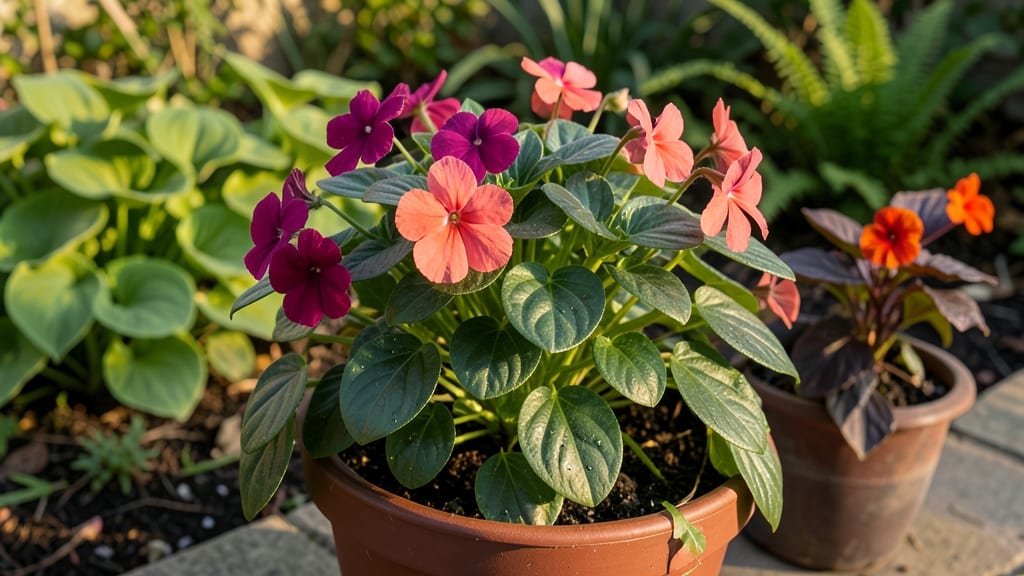
Impatiens flowers thrive in shade but can handle sun with the right care—here’s how to balance light for year-round blooms 🌸.
Struggling to keep your impatiens blooming vibrantly? These shade-loving darlings can actually thrive in sun too—if you know the right light secrets! The key is avoiding harsh afternoon rays while still giving them enough brightness to prevent leggy growth or sparse flowers.
Most gardeners assume impatiens need full shade, but partial sun works too—just choose the right spot. Morning sun is ideal, while afternoon shade protects delicate leaves. Even in Zone 6a, where summers can be intense, a little filtered light keeps them happy without stress.
In this guide, I’ll break down the best light conditions, how to spot when your plants are struggling, and which impatiens varieties handle sun best. By the end, you’ll know exactly where to plant yours for bold, continuous color all season long.
 Best Window Placement
How much sun or shade do impatiens flowers really need?
If you've ever watched your impatiens flowers wilt under harsh sunlight or stretch leggy in deep shade, you're not alone. These colorful annuals are famously finicky about their light conditions, but the truth is more nuanced than "full shade only."
With the right approach, you can grow thriving impatiens in morning sun, dappled shade, or even filtered afternoon light—it just depends on your climate and variety. Let's break down the science (and art!) of placing these beauties just right.
Most gardeners assume impatiens need full shade, but that's only part of the story. The key lies in understanding how sun intensity and duration affect different parts of the day.
For example, morning sunlight (6 AM–10 AM) is far gentler than the intense afternoon rays (2 PM–6 PM), which can scorch delicate leaves.
Even New Guinea impatiens, the sun-tolerant cousins of traditional impatiens, have limits—typically handling 2–4 hours of morning sun in cooler climates or filtered light all day in hotter zones.
Here’s the game-changer: impatiens don’t just need some shade—they need protection from direct midday sun. Think of it like giving them a lightweight umbrella or planting them under dappled tree canopies.
In my own garden, I’ve seen impatiens in east-facing beds bloom nonstop, while identical plants in south-facing spots withered by July. The difference? Heat stress from prolonged exposure to UV rays.
Your USDA hardiness zone plays a huge role too. In Zone 6a or cooler, impatiens can often handle 3–4 hours of morning sun without issues, especially if the soil stays consistently moist. But in Zones 7–9, even 2 hours of direct sun can turn leaves crispy.
That’s why I always recommend testing your spot for a week before planting—watch how the light shifts throughout the day.
| Light Condition | Ideal Duration | Best For | Climate Notes |
|---|---|---|---|
| Morning Sun (6 AM–10 AM) | 2–4 hours | All impatiens varieties | Cooler zones (6a–7a); avoid afternoon sun |
| Dappled Shade (Filtered Light) | All day | Traditional impatiens | Hot zones (7b–9); under tree canopies |
| Partial Shade (2–6 hrs indirect) | 4–6 hours | New Guinea impatiens | Zones 6a–8b; east/west exposures |
| Full Shade (<2 hrs direct) | All day | Traditional impatiens | North-facing beds; hot climates |
| Afternoon Sun (2 PM–6 PM) | 0–1 hour (max) | None (avoid) | Risk of leaf burn; use shade cloth if needed |
Here’s how I test a spot before planting: On a sunny day in July (peak heat), mark the area and observe every 2 hours. If the ground stays cooler to the touch and leaves of nearby plants aren’t scorched, it’s likely safe for impatiens.
Pro tip: Use a shade cloth (30–50% block) if your spot gets more than 2 hours of direct sunhot afternoons.
Your impatiens will thank you with vibrant blooms if you pay attention to their leaf color and growth pattern. Healthy impatiens have deep green leaves and compact stems. If leaves turn yellow or pale, they’re getting too much light.
If they stretch tall and sparse, they need more brightness. I once had a Super Elfin impatiens that nearly doubled in size when I moved it from full shade to a bright east window—the difference was stunning!
Don’t forget about container growing, which gives you even more control. In pots
5 Signs your impatiens aren't getting the right light (and how to fix it)
Your impatiens might be sending you clear signals about their light needs, but it's easy to miss them. If you notice yellowing leaves or stretched stems, your plants are likely struggling with either too much sun or not enough brightness.
These shade-loving beauties can actually tolerate some sun—when given the right conditions. The key is observing their behavior and adjusting placement before problems become permanent.
Most gardeners assume impatiens need full shade, but partial sun works beautifully—just avoid harsh afternoon rays. Morning sun is ideal because it provides gentle light without the intensity that can scorch delicate foliage.
Even in Zone 6a, where summers can be intense, a little filtered light keeps them thriving without stress. Let's explore the 5 key signs your impatiens need a light adjustment.
- 🌿 1. Leggy, Stretched Growth
Your impatiens are reaching for more light, creating long, weak stems. Fix: Move to a brighter spot with morning sun or use a grow light for 4-6 hours daily. - ☀️ 2. Scorched or Crispy Leaves
Brown, dry patches on leaves mean too much direct sun. Fix: Provide afternoon shade with a sheer curtain or nearby trees. - 🌸 3. Sparse or No Blooms
Fewer flowers than usual? They need more light to trigger blooming. Fix: Gradually increase light exposure over 2 weeks. - 💧 4. Drooping or Wilting
Even with proper watering, wilting can signal light stress. Fix: Check for root rot first, then adjust to partial shade. - 🍃 5. Yellowing Leaves
Lower leaves turning yellow often mean too much shade. Fix: Relocate to a spot with bright, indirect light for 4-6 hours.
If your impatiens are showing leggy growth, they're likely not getting enough light. This is their way of stretching toward brighter conditions. To fix this, move them to a spot with morning sun or use a grow light for 4-6 hours daily.
A simple solution is placing them near an east-facing window, where they'll receive gentle light without the harsh afternoon heat.
On the flip side, if you notice scorched leaves, your plants are getting too much direct sun. This is common in afternoon sunlight, especially in hotter months. The fix?
Provide afternoon shade using a sheer curtain or plant them under taller trees or shrubs. Even a few hours of filtered light can make a big difference for these delicate flowers.
For sparse blooms, the issue is often insufficient light to trigger flowering. Impatiens need at least 4-6 hours of bright, indirect light daily to produce their vibrant blooms.
If you're growing them in deep shade, try moving them to a slightly brighter spot or supplement with a grow light during the day.
Finally, if your impatiens are drooping or wilting, it could be a sign of light stress combined with overwatering. Always check for root rot first by gently lifting the plant to inspect the roots.
If the roots are mushy, reduce watering and move the plant to a spot with partial shade and better airflow.
With these fixes, your impatiens will bounce back with lush foliage and continuous blooms all season long. Keep an eye on their behavior and adjust their light conditions as needed—your plants will thank you with vibrant color and healthy growth! 🌸