
Flowers
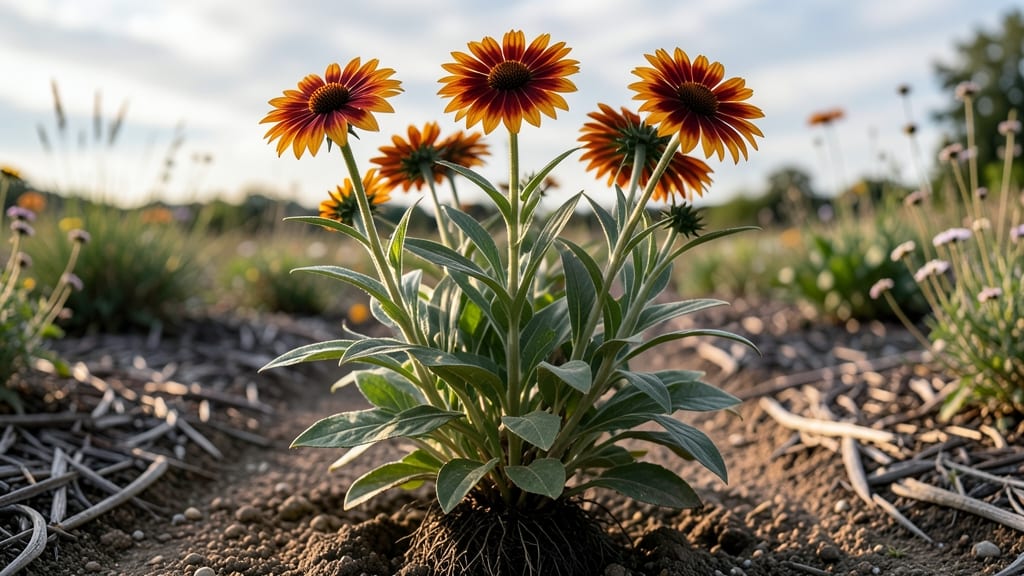
Blanket flowers grow anywhere from 1 to 4 feet tall, depending on the variety and growing conditions you provide—so choosing the right type for your space makes all the difference.
Picture this: a dwarf variety like 'Arizona Sun' hugging your garden bed at just 12 inches, while a standard type like 'Mesa Red' stretches toward the sky at 3 feet or more.
That height range means you can tuck them into containers, edge a walkway, or let them shine as a bold centerpiece.
But here’s the thing: sunlight, soil, and even a little pruning can push those numbers up or down. Too much shade? Expect shorter blooms. Rich soil? You might get an extra foot of height.
I’ll break down the exact varieties, their mature sizes, and how to control their growth so your garden looks exactly as you envisioned it.
Whether you’re designing a pollinator-friendly border or just want to know how close to plant them next to your patio, you’ll leave here with the spacing rules and growth tips to make your blanket flowers thrive—without overcrowding or underwhelming your space.


Blanket flower height ranges by variety: compact vs. tall cultivars
Blanket flowers (Gaillardia) offer a stunning range of heights, from dwarf varieties perfect for borders to tall cultivars that command attention in the back of beds. Understanding these differences helps you design a garden with proper spacing and visual balance.
Whether you're creating a pollinator-friendly meadow or a structured perennial border, choosing the right height range ensures your blanket flowers thrive and complement your design.
The compact varieties (12–18 inches) are ideal for container gardens, window boxes, and edging, while tall cultivars (30+ inches) make excellent backdrop plants or cut flowers. Some varieties even spread aggressively, requiring more space between plants.
Let’s explore the most popular blanket flower varieties and their mature heights to help you plan your garden layout with confidence.
📊 Comparison Table: Blanket Flower Heights by Variety
If you're working with limited space, the 'Goblin' or 'Arizona Sun' varieties are perfect choices, staying under 18 inches tall while still delivering bold color and long bloom times.
These dwarf types thrive in containers, window boxes, and rock gardens, making them versatile for small spaces or urban gardens.
For a dramatic backdrop, consider 'Fanfare Pink' or 'Arizona Sun Red', which can reach 30–36 inches. These taller varieties pair beautifully with grasses, salvias, or coneflowers to create a layered, textured garden.
Their upright growth habit also makes them ideal for cut flower arrangements, lasting up to 10 days in a vase.
When planning your garden, remember that spreading varieties like 'Fanfare Orange' may require 18–24 inches of space between plants to prevent overcrowding. In contrast, clumping types like 'Fanfare Lemon' can be spaced 12–18 inches apart for a denser look.
Always check the growth habit notes in our table to avoid future thinning.
In container gardens, opt for dwarf or semi-dwarf varieties like 'Arizona Sun' or 'Fanfare Yellow', as they won’t outgrow their pots.
A 5-gallon container can comfortably hold 2–3 plants of these compact types, while larger containers (10+ gallons) can accommodate taller varieties like 'Fanfare Pink' for a striking vertical element.
For pollinator gardens, mix heights to create a multi-level feeding station. Place tall varieties (30+ inches) at the back,
How blanket flower height affects garden design and spacing
Blanket flowers (Gaillardia) transform your garden with their fiery blooms, but their mature height determines where they shine best. A 12-inch dwarf variety like 'Arizona Sun' creates a neat border, while a 36-inch standard type like 'Mesa Red' becomes a dramatic focal point.
Understanding these differences helps you avoid overcrowding and maximize visual impact.
Spacing isn't just about aesthetics—it's about air circulation and sunlight access, both critical for healthy blooms. Planting too closely can lead to leggy stems or fungal issues, while spacing them too far apart wastes your garden's potential.
I'll show you exactly how to position these plants for a thriving, picture-perfect display.
- 🌱 Dwarf Varieties (12–18 inches) – Plant 10–12 inches apart for edging or container gardens. Perfect for front borders or window boxes.
- 🌿 Semi-Dwarf Varieties (18–24 inches) – Space 14–18 inches apart in mixed borders or pollinator gardens. Works well with salvias or yarrow.
- 🌼 Standard Varieties (24–36 inches) – Give them 20–24 inches of space for focal points or back-of-border drama. Pair with tall grasses or coneflowers.
- 🪴 Container Gardening Tip – Use 1–2 plants per 12-inch pot for dwarf varieties or 1 plant per 16-inch pot for standard types.
- 🌻 Pollinator Border Rule – Space 18–24 inches apart in mixed-height borders to ensure butterflies and bees can access all blooms.
Tall blanket flowers make stunning focal points when planted in odd-numbered groups (like 3 or 5) at the back of a border. Their upright stems draw the eye, while their bright blooms attract pollinators.
For a soft, layered look, mix dwarf varieties with creeping thyme or ajuga to create a textured edge.
Container gardening? Choose dwarf or semi-dwarf varieties to avoid overcrowding. A 16-inch pot can comfortably hold one 24-inch plant, while a 12-inch pot works for 12-inch varieties. Just ensure your container has drainage holes—blanket flowers hate soggy roots.
Pro tip: If your tall varieties lean or flop, prune them back by 1/3 after the first flush of blooms. This encourages bushier growth and prevents them from toppling over. Pair them with upright grasses like maiden grass for added support and texture.
For a pollinator-friendly border, alternate blanket flowers with salvias, coneflowers, and black-eyed Susans. The varying heights create a dynamic landscape while providing continuous nectar for bees and butterflies throughout the season.