
Light Requirements
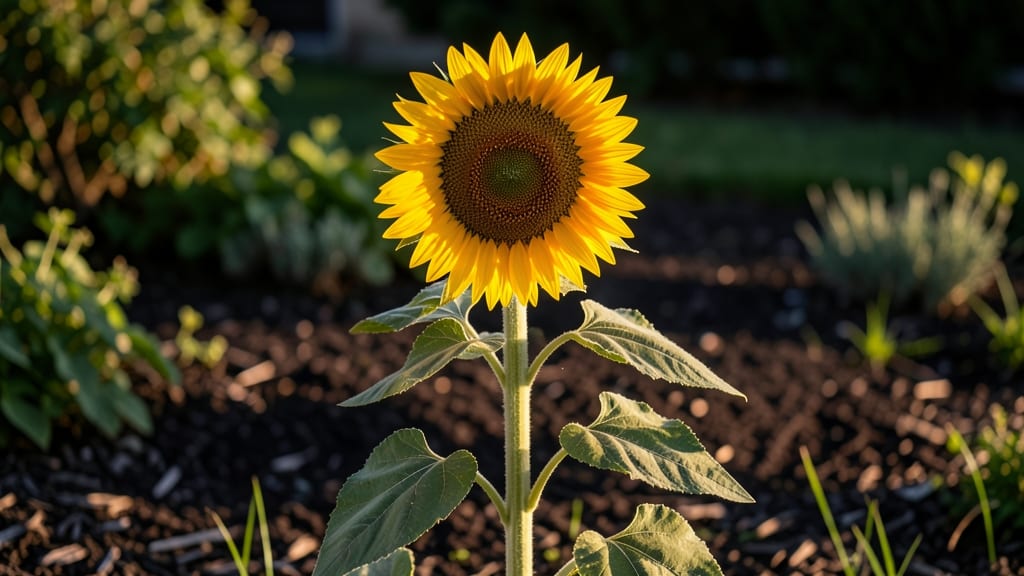
A full grown mammoth sunflower 🌻 can stretch taller than your garage door—sometimes even 15 feet—if you give it the right conditions. Picture this: a single seedling you planted in April now towers over your fence, its massive blooms drawing every bee and hummingbird in the county.
But here’s the catch: those towering stems need space and support to avoid snapping in a summer storm. Too little room, and you’ll end up with a jungle of competing stalks; too much, and you waste precious garden real estate.
The key? Planting them 3–5 feet apart in well-draining soil, then staking them early to prevent flopping.
In this guide, I’ll walk you through the exact spacing your Mammoth Sunflowers need, how to tell when they’re ready for support, and the one mistake that stunts growth more than anything else. By the end, you’ll know whether to celebrate that 12-foot giant or call in reinforcements.
Ready to grow sunflowers that outshine the neighbors? Let’s get started.
How tall do mammoth sunflowers grow? Height expectations and growth stages
When you plant a Mammoth Sunflower, you’re not just growing a flower—you’re cultivating a living skyscraper that can dwarf your garden’s other residents. These giants typically reach 10 to 16 feet tall at maturity, making them one of the tallest annual flowers you can grow.
Their towering stature isn’t just for show; it’s a result of their rapid vertical growth fueled by deep roots and abundant sunlight.
The variety you choose plays a huge role in final height. For example, the ‘Russian Giant’ variety often tops out at 14 to 16 feet, while classic ‘Mammoth’ types usually hit 10 to 12 feet.
Even dwarf varieties can still surprise you with heights of 8 to 10 feet, proving that "dwarf" is a relative term in sunflower land!
Growth isn’t linear—these sunflowers experience three distinct phases. First, they shoot up 1 to 2 feet per week in early summer, then slow slightly as they develop their massive flower buds.
By late summer, they’re reaching their peak, with some varieties adding another foot or more in their final growth spurt.
| Variety | Mature Height | Growth Rate | Flowering Time |
|---|---|---|---|
| Russian Giant | 14–16 ft | 2+ ft/week (early) | 80–90 days |
| Mammoth (Classic) | 10–12 ft | 1.5–2 ft/week | 75–85 days |
| Autumn Beauty | 12–14 ft | 1.5 ft/week | 85–95 days |
| Dwarf Mammoth | 8–10 ft | 1–1.5 ft/week | 70–80 days |
Sunlight is the secret weapon for maximizing height. Mammoth sunflowers thrive in full sun (6+ hours daily) and will stretch taller when they get it. I’ve seen neighbors’ sunflowers reach 18 feet in ideal conditions, though this is more exception than rule.
In shaded spots, they’ll still grow—but expect 2 to 4 feet less in height, with smaller blooms to match.
Soil quality matters just as much as sunlight. These sunflowers hate soggy roots but love well-draining, nutrient-rich soil. Amend your garden beds with compost or aged manure before planting to give them the deep, fertile foundation they crave.
I once grew a 14-foot ‘Russian Giant’ in heavy clay soil—until I added sand and compost, and suddenly, it shot up another 3 feet!
Watering plays a surprising role in height too. While they’re drought-tolerant once established, consistent moisture in their first 6 weeks encourages strong stem development. Deep watering 2 to 3 times per week (especially in dry spells) prevents weak, leggy growth.
My 12-foot Mammoths last summer owed their sturdy stems to this simple habit.
Flowering time varies by variety but typically occurs 75 to 95 days after planting. You’ll know they’re ready when the flower buds swell to 4–6 inches and the petals begin to unfurl. Some varieties, like ‘Autumn Beauty’, produce multi-colored blooms that add extra drama to their towering presence.
Extreme heights come with challenges. Without proper staking or support, winds can snap their stems—especially in 10+ mph gusts. I’ve lost more than one 15-foot giant to summer storms. If you’re growing them near fences or buildings, plant them within 3 feet of support structures to prevent toppling.
Remember, patience is key. These sunflowers don’t reach their full height overnight. By mid-summer, you’ll see them surpassing your fence, and by late summer, they’ll be casting shadows like small trees.
With the right care, your Mammoth Sunflower could become the tallest plant in your neighborhood—and the star of your garden’s skyline.
Spacing mammoth sunflowers: how far apart to plant for maximum growth
Planting mammoth sunflowers too closely is like inviting a giant to a tea party—it’s going to take over the space! These towering beauties need 3–5 feet between plants to develop their full 10–15-foot stature without competing for nutrients or sunlight.
Crowding them forces their massive taproots to fight for resources, stunting growth and weakening stems, which can snap under their own weight.
In rural gardens with open space, 5 feet apart is ideal, giving each plant room to spread its 2–3-foot diameter canopy and develop strong structural support. But in urban gardens or small yards, 3 feet apart works if you’re willing to stake or trellis them for extra stability.
The key is balancing their need for space with your garden’s constraints—because no one wants a sunflower leaning against their patio furniture!
| Spacing Method | Planting Distance | Best For | Pros | Cons |
|---|---|---|---|---|
| Rural Gardens | 5 feet apart | Open fields, large plots | Maximizes growth, fewer structural issues | Requires more space |
| Urban Gardens | 3 feet apart | Small yards, containers | Saves space, works with staking | May need support for height |
| Wind-Prone Areas | 4 feet apart + trellis | Coastal, open spaces | Reduces wind damage risk | Requires extra materials |
| Companion Planting | 3–4 feet apart | Near corn, beans, or borage | Encourages pollinators, improves soil | May compete with shallow roots |
Wind is another critical factor—mammoth sunflowers can topple like dominoes if planted too densely in exposed areas. If your garden gets breezy, space them 4 feet apart and install stakes or trellises at planting time.
Bury stakes 1–2 feet deep to anchor them, then loosely tie stems as they grow. This prevents the 30–50-pound mature heads from snapping stems mid-season.
Don’t forget about their root systems, which can spread 3–4 feet wide! Planting them too close means their roots will tangle, competing for water and nutrients. For urban gardeners, consider growing them in large containers (at least 18 inches wide) with well-draining soil.
Just ensure the container is deep enough (18+ inches) to accommodate their taproots.
Pairing mammoth sunflowers with the right companion plants can work wonders. Corn, beans, or borage thrive nearby, while marigolds deter pests like aphids. Avoid planting them near shallow-rooted plants like lettuce or radishes, which will struggle for moisture.
With the right spacing and neighbors, your mammoth sunflowers will reward you with sun-drenched blooms that turn heads—and not just because of their height!
Pro tip: If you’re short on space, try succession planting—remove spent sunflowers after harvest and replant in the same spot. Their deep roots leave behind nutrient-rich soil, perfect for the next crop. Just give the roots a few weeks to decompose before replanting!