
Plants
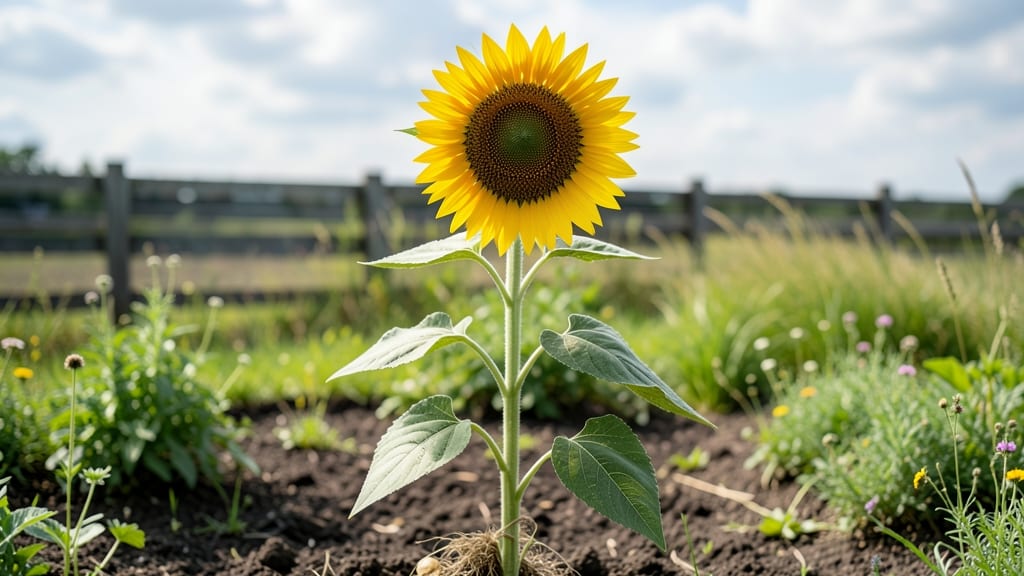
A full grown sunflower can stretch toward the sky like a natural skyscraper, with some varieties reaching heights that dwarf even the tallest gardeners 🌻 — but their final size depends on more than just genetics.
Picture this: a 12-foot sunflower swaying in your backyard, its massive bloom drawing bees from miles around. That’s not a fantasy—it’s what you’ll get with the right variety and care. But without the proper support or soil, even your dwarf sunflower might flop like a wilting balloon.
Whether you’re growing sunflowers for their striking blooms, edible seeds, or just the joy of watching them grow, knowing how to maximize their height is key.
From choosing the right variety to mastering watering and staking techniques, I’ll show you exactly how to help your sunflowers reach their full potential—without sacrificing strength or beauty.
Ready to grow sunflowers that turn heads? Let’s dive into the secrets of sunflower height, from the shortest Teddy Bear varieties to the towering Russian Giants that can outgrow your fence.
Sunflower height by variety: from dwarf to giant species
Sunflowers come in a stunning range of heights, from compact dwarf varieties perfect for containers to towering giants that can dwarf even the tallest gardeners.
The final height of your sunflower is primarily determined by its genetics, but soil quality, sunlight exposure, and proper care can push some varieties to their maximum potential. Whether you're dreaming of a backyard skyline or a charming patio display, choosing the right variety is key.
Most sunflower varieties fall into three height categories: dwarf (2-4 ft), medium (4-8 ft), and giant (8-16+ ft). The difference isn't just about aesthetics—taller varieties often produce larger seeds, while dwarf types are ideal for small spaces or cut flower arrangements.
Let's explore the most popular varieties in each category and what makes them unique.
The Russian Giant and Mammoth varieties are the undisputed champions of sunflower height, often surpassing 12 feet with proper care. These giants require rich, well-draining soil and full sun exposure to reach their potential.
I've seen Mammoth varieties in ideal conditions top 14 feet, creating a dramatic focal point in any garden. However, their massive size means they need plenty of space to spread and may require staking or support to prevent flopping.
For gardeners with limited space, dwarf varieties like the Teddy Bear series offer all the charm without the height. These compact plants reach just 3-5 feet tall but produce double blooms that make them perfect for containers and small gardens.
Their early blooming habit also makes them ideal for seasonal color in early summer. I've grown Teddy Bear sunflowers in 5-gallon containers with great success, proving that you don't need a large yard to enjoy these cheerful flowers.
Medium-height varieties like Moulin Rouge and Autumn Beauty strike the perfect balance, offering substantial height (4-7 ft) without the space requirements of giants. These varieties are excellent choices for cut flower arrangements and pollinator gardens.
The Autumn Beauty series, in particular, is a favorite among gardeners for its multi-colored blooms that change as they mature, providing extended seasonal interest. I've used these in bouquets that last 7-10 days in a vase.
When selecting sunflower varieties, consider your garden layout and intended use. Taller varieties create vertical interest and can serve as natural privacy screens when planted in rows. I've used Russian Giant sunflowers to create a living screen along my property line, providing both privacy and beauty.
For smaller spaces, dwarf varieties can be planted in massed groupings to create a colorful meadow effect without overwhelming your landscape.
The genetics of sunflowers determine their maximum potential height, but environmental factors play a
How to grow sunflowers taller: proven care tips for maximum height
Sunflowers are sun-loving giants that can reach impressive heights when given the right conditions. To achieve a full grown sunflower that towers over your garden, focus on three key factors: soil quality, watering consistency, and sunlight exposure.
These elements work together to unlock a sunflower's genetic potential, helping it grow to its maximum height—whether that's 12 feet for 'Mammoth' or 6 feet for 'Teddy Bear' varieties.
Before planting, prepare your soil with organic matter like compost or aged manure. Sunflowers thrive in well-draining soil with a pH between 6.0 and 7.5. Amending clay soil with sand or peat moss ensures roots can access oxygen and nutrients efficiently.
A nutrient-rich foundation sets the stage for rapid vertical growth, especially in giant sunflower varieties that need extra strength to support their towering stems.
Step-by-Step Guide to Maximizing Sunflower Height
- Step 1: Choose the right variety—tall sunflowers like 'Russian Giant' or 'American Giant' need space and support, while dwarf varieties like 'Teddy Bear' suit containers.
- Step 2: Plant seeds 1 inch deep and 6 inches apart in full sun (6+ hours daily) for optimal growth. Use a south-facing location for maximum sunlight exposure.
- Step 3: Water deeply 1-2 times per week, soaking the soil to 12 inches deep. Avoid shallow watering, which encourages weak root systems.
- Step 4: Apply a balanced fertilizer (10-10-10) at planting and again when plants reach 1-2 feet tall. Stop fertilizing once buds form to avoid leggy growth.
- Step 5: Provide support for tall sunflowers using bamboo stakes or cages. Tie stems loosely with soft fabric to prevent damage as they grow.
- Step 6: Monitor for pests like aphids or diseases like powdery mildew. Use neem oil or insecticidal soap for organic control to keep plants healthy.
Sunlight is non-negotiable for sunflowers—they need full sun exposure to grow tall and strong. Place your plants in the sunniest spot in your garden, ideally facing south. If growing in containers, rotate them weekly to ensure even light exposure.
Without adequate sunlight, sunflowers will grow leggy and weak, struggling to reach their full height potential.
Watering plays a critical role in sunflower height. While they’re drought-tolerant once established, consistent moisture is key during the first 6 weeks of growth. Water deeply in the morning to reduce evaporation and fungal risks.
Overwatering can lead to root rot, while underwatering causes stunted growth. Aim for 1-2 gallons per plant weekly, adjusting for rainfall.
For tall sunflowers like 'Mammoth' or 'Russian Giant', support is essential. Without it, stems can flop or snap under their own weight. Use bamboo stakes or tomato cages inserted at planting time.
Tie stems loosely with soft fabric or old t-shirts every 2-3 feet as they grow. This support system helps channel energy upward, encouraging vertical growth rather than spreading.
Troubleshoot common issues like flopping stems or stunted growth by checking your sunflower’s care routine. Flopping often signals weak stems from poor support or nutrient deficiencies. Stunted growth may indicate insufficient sunlight or overcrowding.
Thin seedlings to 12-18 inches apart for giant varieties to give roots room to expand and reach their full height.