
How To
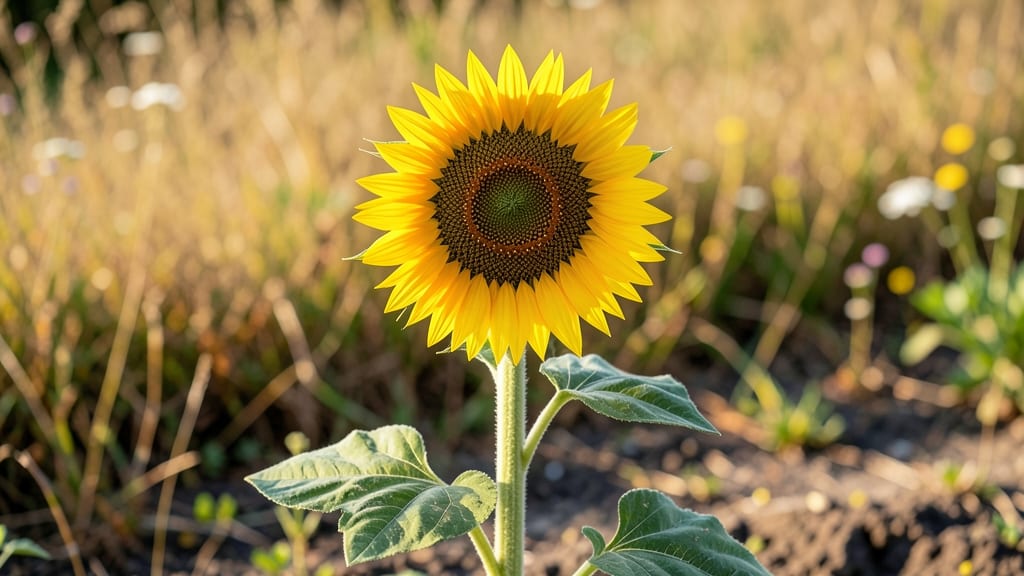
Sunflowers need at least 6 to 8 hours of direct sunlight daily to grow tall and vibrant 🌻 — without it, their stems stretch weak and their blooms stay small.
Picture this: you’ve spent weeks nurturing your sunflower seedlings, only to watch them lean toward the light like they’re reaching for a handout. That’s the classic sign of light deprivation, and it’s a heartbreak no gardener needs.
The good news? With the right placement and a few simple adjustments, even partial shade can work — if you know the tricks.
Most sunflowers thrive in full sun, but dwarf varieties can handle a little less. The key is understanding how much light your garden actually gets, whether it’s morning sun or the harsh afternoon glare.
Too little, and your plants will struggle; too much, and they might bolt early. Finding that sweet spot is what separates a 3-foot bush from a 12-foot giant.
In this guide, I’ll break down exactly how to measure sunlight in your space, spot the warning signs of insufficient light, and even hack your way to bigger blooms in shadier spots. Ready to grow sunflowers that turn heads?


Sunflower sunlight requirements: minimum 6+ hours daily for optimal growth
Sunflowers are sun worshippers, and their golden blooms depend entirely on direct sunlight. While they can tolerate some shade, less than 6 hours of sunlight daily will stunt their growth and prevent those iconic cheerful faces from ever turning toward the sun.
Let’s break down exactly how much light sunflowers need at each growth stage—and how to measure sunlight accurately in your garden.
Most sunflower varieties thrive with 6 to 8+ hours of full sun per day, but their needs shift slightly as they grow. Seedlings, for example, can handle gentler morning light to avoid scorching, while mature plants crave unfiltered afternoon rays to fuel their towering growth.
Understanding these stages helps you position sunflowers for success, whether you’re planting in a sun-drenched backyard or a partial-shade urban plot.
Measuring sunlight accurately is key to avoiding disappointment.
Use a sunlight tracker or observe your garden for 4-6 hours daily to note how much direct light each spot receives. Full sun means unobstructed rays from 6 AM to 6 PM, while partial shade might offer only 3-4 hours of direct light.
For example, a north-facing garden in the Northern Hemisphere often gets less intense sunlight, so dwarf varieties like 'Teddy Bear' may fare better there than towering 'Mammoth' types.
If your garden only offers partial shade, choose dwarf or semi-dwarf varieties like 'Autumn Beauty' or 'ProCut', which tolerate 4-5 hours of sun better than giants. These varieties still produce vibrant blooms, just on a smaller scale.
For full-sun gardens, standard or giant varieties like 'Russian Giant' or 'Sunspot' will reward you with 12-foot stalks and 12-inch blooms.
Pro tip: Rotate seedlings weekly to ensure even growth if they’re in container gardens or small plots. This mimics natural sunlight exposure and prevents lopsided stems. Also, avoid placing sunflowers near tall trees or buildings, as they cast deep shade that blocks critical light.
If you’re unsure about your garden’s sunlight, try a DIY sunlight test: Place a white board in the spot for an hour—if it’s fully illuminated, it’s full sun.
Seasonal adjustments matter too. In summer months, sunflowers need more water to handle intense heat, but their sunlight needs stay the same. However, in early spring or late fall, when days are shorter, supplement with a grow light if you’re growing indoors or in low-light conditions.
This ensures your sunflowers get the 6+ hours of light they crave, even when natural daylight dwindles.
Remember, sunflowers follow the sun—a behavior called heliotropism. Young blooms track the sun’s arc from east to west, maximizing energy absorption. If your sunflowers aren’t turning toward the light, they’re either not getting enough sun or are overcrowded.
Give them 18-24 inches of space between plants to ensure they have room to stretch and thrive.
For container growers, place pots on a south-facing balcony or patio where they’ll receive uninterrupted sunlight. If your space only gets morning sun, opt for fast-maturing varieties like 'Early Bird', which can complete their life cycle in 70-80 days with 5-6 hours of light.
With the right sunlight strategy, even urban balconies can host sunflower towers that brighten up the neighborhood.
Don’t let myths about sunflowers fool you—while they
Signs your sunflowers aren’t getting enough sunlight (and how to fix it)
Your sunflowers might be silently screaming for more light—even if they don’t look it yet. The first red flag is leggy, spindly stems that stretch toward the nearest light source. This isn’t just a growth habit; it’s a survival tactic.
When sunflowers don’t get enough sunlight, they prioritize reaching upward over thickening their stems, making them prone to snapping in wind or rain.
Next, check the leaves. Pale or yellowing foliage is another clear sign of light deprivation. Healthy sunflower leaves should be a deep green, almost glossy. When they turn pale or develop yellow patches, it’s your plants’ way of saying, “We’re starving for photons!”
Even the undersides of leaves can reveal the truth—if they’re lighter than the tops, your sunflowers are struggling.
Don’t forget to look at the blooms—or lack thereof. Sunflowers deprived of sunlight often produce smaller, fewer flowers that take forever to open. You might see buds forming but never fully blooming, or flowers that open but quickly wilt.
This is nature’s way of telling you that your plants are putting all their energy into survival rather than reproduction.
⚠️ callout-warning ⚠️
Sunflowers require at least 6 to 8 hours of direct sunlight daily for optimal growth. Varieties like Mammoth or Russian Giant need the full 8+ hours, while dwarf varieties like Teddy Bear can tolerate 4 to 6 hours in partial shade. Morning sun (6 AM–12 PM) is ideal, but afternoon sun (12 PM–6 PM) works too—just avoid harsh midday glare in hot climates.
✅ Fix It: Move plants to sunnier spots, use reflective surfaces (like white walls or mirrors), or opt for dwarf varieties if full sun isn’t possible.
If you’re still unsure whether your garden gets enough sunlight, try this quick test: Place a white piece of paper on the ground where your sunflowers will grow. Check it every few hours—if shadows cover more than 4 hours’ worth of space, your sunflowers won’t thrive there.
Even partial shade from trees or buildings can cut sunlight by 30-50%, which is enough to stunt growth.
For sunflowers already struggling, don’t panic—there are fixes! Start by pruning lower leaves to encourage upward growth toward light. You can also rotate pots (if growing in containers) to ensure even exposure.
If your garden is permanently shady, consider reflective mulch or light-colored surfaces nearby to bounce extra light onto your plants.
Remember, sunflowers are resilient. With the right adjustments, even a shady spot can yield beautiful blooms—just don’t expect them to reach their full height. The key is to match your expectations to your garden’s conditions. Happy growing! 🌻