
Flowers
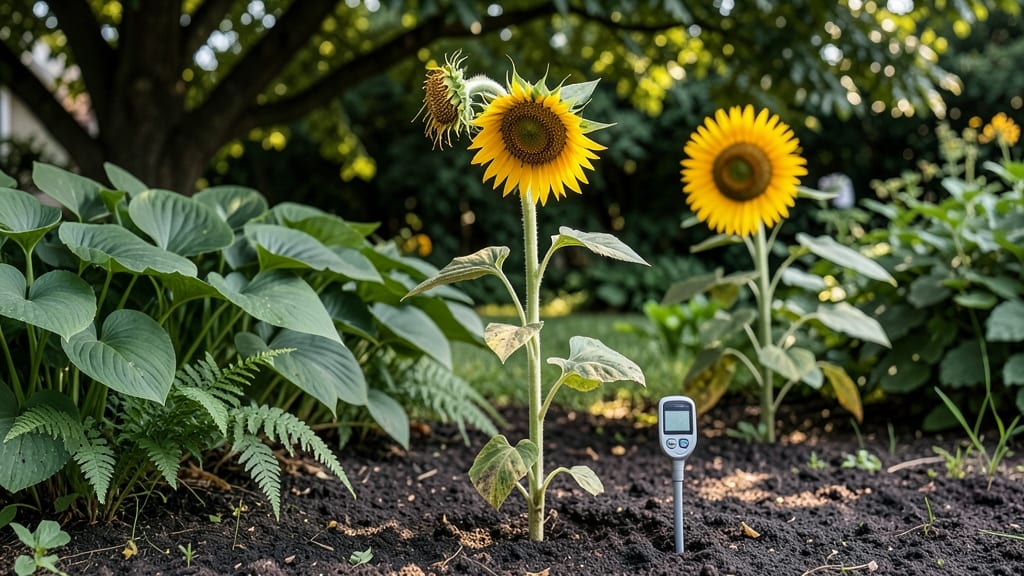
Sunflowers growing in shade will struggle to reach their full potential, but with the right approach, you can still coax blooms from them.
Picture this: a 6-foot sunflower stretching toward a dappled shade spot, its leaves pale and its stem weak. That’s the reality for most sunflowers in low-light conditions, but it doesn’t mean you can’t grow them at all.
The key lies in choosing the right variety and tweaking your growing conditions to give them a fighting chance.
Sunflowers are sun-lovers by nature, needing at least 6 hours of direct light daily to thrive. Without it, they’ll produce leggy stems, sparse blooms, or even fail to flower altogether.
But don’t give up just yet—some varieties handle partial shade better than others, and a few simple tricks can make all the difference.
In this guide, I’ll walk you through the best shade-tolerant sunflower varieties, how to maximize light in your garden, and practical tips to help your sunflowers reach their full height—even in shady spots.


Sunflower light requirements: how much shade can they tolerate?
Sunflowers (Helianthus annuus) are sun-worshippers by nature, craving 6-8 hours of direct sunlight daily for peak performance. While they can technically grow in partial shade, their growth habits, flower production, and overall health will suffer without adequate light.
The key lies in understanding how shade impacts each growth stage—from seedlings to mature plants—and recognizing the warning signs of light deficiency.
At their core, sunflowers rely on photosynthesis to convert light into energy, fueling rapid stem growth and vibrant blooms. When deprived of sunlight, their chlorophyll production slows, leading to weaker stems, smaller leaves, and fewer (or no) flowers.
Even dwarf varieties struggle in deep shade, often producing leggy, spindly stems instead of sturdy, sun-loving giants.
🌱 Here’s the hard truth: Sunflowers won’t thrive in full shade (defined as less than 3 hours of sunlight daily). However, they can tolerate partial shade (3-6 hours of sun)—especially if you choose the right varieties and optimize growing conditions.
The challenge is balancing their light needs with your garden’s limitations.
Sunflowers exhibit three distinct growth stages, each with unique light requirements. Seedlings (0-4 weeks) are the most shade-tolerant, as they rely on stored energy from the seed. However, once they develop their first true leaves, they’ll stretch toward any available light, a phenomenon called etiolation.
This results in long, weak stems that struggle to support the plant’s eventual weight.
During the vegetative stage (4-8 weeks), sunflowers need full sun to build strong stems and leaves. Without it, their photosynthetic efficiency drops by up to 50%, leading to yellowing leaves (chlorosis) and reduced energy reserves.
This stage is critical for determining whether your sunflowers will bolt (flower) or remain stunted.
Finally, the flowering stage (8-12 weeks) demands the most sunlight. Sunflowers use light to trigger florigen production, the hormone responsible for bloom initiation. In shade, this process stalls, resulting in smaller, fewer, or no flowers.
Even if buds form, they may fail to open fully or produce sterile seeds.
🌿 Watch for these signs of light deficiency:
- Leggy, stretched stems reaching toward light sources
- Pale or yellowing leaves (especially on lower stems)
- Small, sparse foliage with large gaps between leaves
- Delayed or absent flowering, even in mature plants
- Flower buds that fail to open or produce deformed blooms
If you’re growing sunflowers in shade, focus on maximizing light exposure through reflective surfaces (like white gravel or light-colored mulch) or selecting shade-tolerant varieties. Even with these adjustments, expect compromised growth—sunflowers are sun-lovers at heart, and shade is merely a second-best option.
For the best results, pair sunflowers with taller plants on the north side of your garden to create a microclimate with dappled sunlight. Avoid planting them under dense trees or structures that cast deep, constant shade.
With the right approach, you can coax some growth from shade-grown sunflowers, but don’t expect the showstopping blooms they’re famous for.
☀️ Pro Tip: If your sunflowers are already struggling in shade, try pruning lower leaves to encourage upward growth toward light. This won’t replace sunlight but can help redirect energy to the upper stems and blooms.
Best sunflower varieties for low-light or shaded gardens
While sunflowers typically crave full sun, some varieties adapt surprisingly well to partial shade. The key is selecting dwarf or branching types that tolerate 3-6 hours of indirect light daily.
These cultivars may produce smaller blooms but still deliver vibrant color and sturdy stems—perfect for woodland gardens, container growing, or north-facing beds.
For shaded conditions, prioritize varieties with compact growth habits or multiple stems. These types distribute energy more efficiently, compensating for reduced sunlight. Heirloom varieties often excel in low-light scenarios due to their hardy genetics and slower growth rates, which prevent leggy stems.
If your garden receives morning sun and afternoon shade, prioritize 'Teddy Bear' or 'Lemon Queen'—their dwarf stature and bright colors make them stand out even in low-light spots. For woodland gardens, 'Moulin Rouge' offers branching stems that create a lush, bushy display without requiring full sun.
Heirloom varieties like 'Autumn Beauty' are ideal for shaded borders because their slower growth prevents legginess. These sunflowers may produce fewer blooms but compensate with vibrant, long-lasting flowers. Pair them with hostas or ferns to create a textured, low-maintenance shade garden.
For container growing, choose dwarf varieties like 'Teddy Bear'—they thrive in 5-gallon pots with well-draining soil and daily morning light. Place containers near south-facing windows or under grow lights for 6 hours daily to maximize blooms.
Remember: No sunflower will match the height or bloom size of full-sun varieties, but these shade-tolerant picks prove that sunflowers can still shine—even in the quiet corners of your garden. 🌿