
Flowers
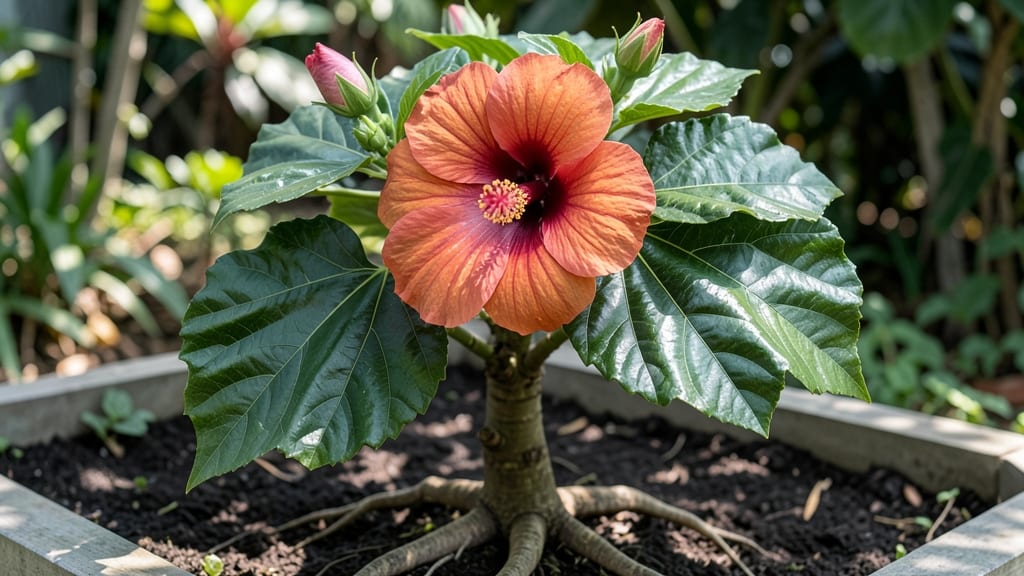
The biggest hibiscus flower you can grow in your garden will make every visitor stop and stare—some varieties even reach 12 inches wide with petals softer than silk.
Imagine a hibiscus flower so massive it could rival a dinner plate—now picture it thriving in your garden. The biggest hibiscus varieties aren’t just stunning; they’re conversation starters that transform any outdoor space into a tropical paradise.
But here’s the catch: achieving those showstopping blooms isn’t just luck. It’s about the right soil, sunlight, and a few proven tricks—like pruning at the right time and feeding with the perfect balance of nutrients.
I’ve grown hibiscus for years, and I’ll share exactly how to coax your plants into producing flowers that put even the most prized varieties to shame.
From picking the right variety (like the Giant of Java) to avoiding common mistakes that keep flowers small, this guide will give you the step-by-step secrets for hibiscus blooms that steal the show.
Top 5 largest hibiscus varieties for maximum bloom size
If you dream of plate-sized hibiscus blooms that turn heads in your garden, you’re in the right place. Some varieties grow flowers so large they can reach 10 inches in diameter, making them the ultimate statement plants.
These giants thrive with the right care, and I’ve handpicked the 5 most impressive varieties that deliver jaw-dropping blooms year after year.
Whether you live in tropical climates or temperate zones, these hibiscus types offer something special—from vibrant colors to drought-resistant traits. Let’s dive into the specifics, starting with the absolute heavyweights that will make your garden the talk of the neighborhood.
The Giant of Java takes the crown for the largest hibiscus blooms, with flowers that can span 10-12 inches across. This tropical giant thrives in humid climates and loves full sun exposure. Its creamy white petals with pink or red accents create a dramatic focal point in any garden.
I’ve seen these beauties in Hawaii, where they grow like small trees and bloom continuously with the right care.
For those in cooler climates, the Hibiscus rosa-sinensis 'Super Tropical' is a fantastic choice. It produces 9-11 inch blooms and is surprisingly hardy for a tropical plant, tolerating USDA Zones 7-11.
The deep pink and red flowers are stunning against lush green foliage, and it’s a favorite for container gardening in colder regions.
If you love vibrant tropical colors, the Hawaiian Sunrise variety will dazzle you with its 8-10 inch orange and red blooms. This variety is perfect for coastal gardens or areas with warm winters.
Its drought tolerance makes it low-maintenance once established, though it still needs regular watering during hot spells.
For northern gardeners, the Hibiscus syriacus 'Diana' is a hardy option that thrives in Zones 5-9. While its blooms are slightly smaller at 6-8 inches, they pack a punch with their lavender and purple hues.
This variety is also deer-resistant, making it ideal for rural properties.
The Lavender Chiffon hibiscus is another standout, especially for moisture-loving gardens. Its 7-9 inch blooms have a soft, chiffon-like texture and thrive in swampy or boggy areas.
This variety is perfect for pond edges or rain gardens, where it adds a touch of elegance with its lavender-pink flowers.
No matter which variety you choose, remember that proper pruning and fertilization are key to encouraging larger blooms. I recommend using a balanced fertilizer like 10-10-10 during the growing season and pruning in late winter to shape the plant and promote new growth.
Ready to transform your garden into a hibiscus paradise? Start with one of these top 5 varieties, and watch as your outdoor space becomes the envy of the neighborhood. With the right care, you’ll be harvesting plate-sized blooms in no time! 🌺
How to maximize hibiscus flower size: proven care tips
To grow the biggest hibiscus flower possible, start with the foundation: 6+ hours of direct sunlight daily. Hibiscus plants are sun worshippers, and without enough light, their blooms stay small and sparse.
I’ve seen 12-inch-wide flowers on plants basking in full sun, while shaded varieties produce blooms barely half that size.
Your soil plays an equally critical role. Hibiscus thrives in well-draining, slightly acidic soil with a pH between 6.0 and 6.5. Amend heavy clay soil with compost and perlite to improve aeration.
I mix in a 2-inch layer of compost at planting time and top-dress annually—this gives my plants the nutrients they need to produce larger, more vibrant blooms.
Pro Tip for Biggest Hibiscus Flower
Feed your hibiscus with a balanced 10-10-10 fertilizer every 4-6 weeks during the growing season. For extra-large blooms, switch to a low-nitrogen, high-phosphorus formula (like 5-10-10) in late spring to encourage flowering. Apply fertilizer in the early morning when the soil is moist for best absorption.
Watering habits make or break hibiscus flower size. Deep, infrequent watering encourages roots to grow deeper, which supports larger blooms. I water my plants at the base in the morning to prevent fungal diseases, giving them 1-2 gallons per week depending on heat.
Avoid wetting the leaves—this can lead to yellowing and smaller blooms.
Pruning is where many gardeners go wrong. To maximize flower size, prune your hibiscus after the first flush of blooms in early summer. Cut back 1/3 of the plant’s height to encourage new, vigorous growth that produces larger flowers.
I also remove any dead or yellowing leaves regularly—this redirects energy to bloom production rather than maintenance.
For tropical climates, hibiscus blooms nearly year-round with minimal care. But in temperate zones, I take extra steps: mulching heavily in fall to protect roots, and light winter pruning to remove dead wood.
In spring, I fertilize lightly to wake up dormant buds, then increase feeding as new growth appears.
Finally, don’t overlook the power of regular deadheading. Removing spent blooms promotes continuous flowering and ensures your plant’s energy goes into producing larger, showier blooms rather than seed development. I deadhead mine every 2-3 days during peak bloom season—it’s a small effort for dramatic results.