
Flowers
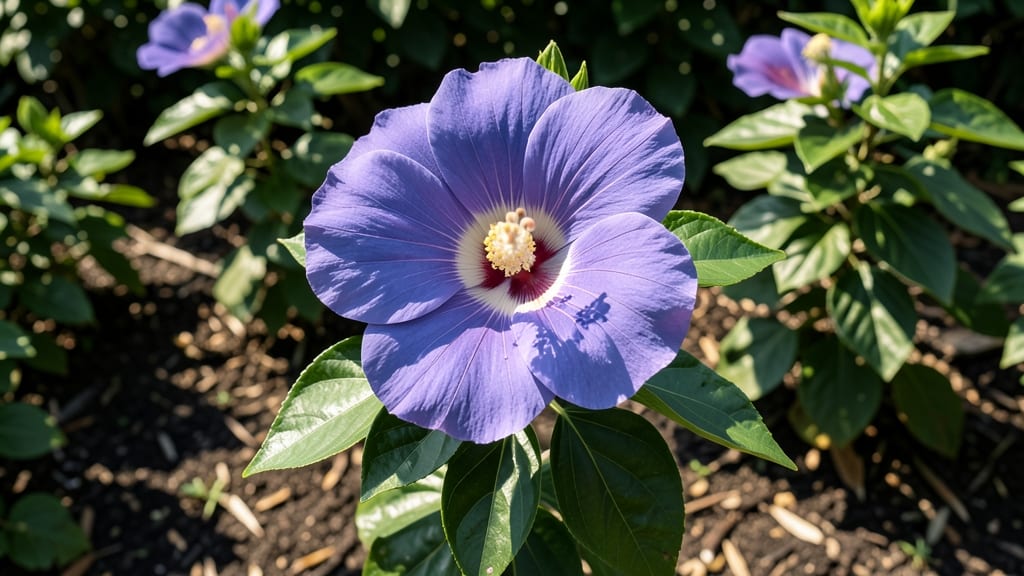
Growing the largest hibiscus flower 🌸 varieties—some reaching up to 18 inches wide—isn’t just luck; it’s science, patience, and a few pro tricks most gardeners miss.
Imagine a hibiscus bloom so bold it could double as a dinner plate—vibrant, velvety, and impossible to ignore. But here’s the catch: these giants demand the right conditions, or they’ll shrink to half their potential.
I’ve grown Hibiscus rosa-sinensis ‘Giant Red’ for years, and the difference between 6-inch blooms and 18-inch monsters comes down to three things: soil, pruning, and feeding.
You don’t need a greenhouse or a PhD in botany—just a few targeted adjustments. We’re talking full-sun spots, the right fertilizer blend (hint: it’s not what you’re using now), and a pruning schedule that tricks your plant into putting all its energy into blooms, not just leaves.
Skip these, and even the hardiest varieties will play small.
In this guide, I’ll walk you through the top 5 varieties that hit 18 inches, the step-by-step care routine that doubles bloom size, and the three mistakes that sabotage growth before they even start. Ready to turn your garden into a hibiscus showstopper?
Top 5 hibiscus varieties with the largest flowers (up to 18 inches)
Giant hibiscus blooms can transform your garden into a tropical paradise with flowers reaching up to 18 inches wide. These varieties aren't just stunning—they thrive with the right care, often originating from humid, sun-drenched climates where they evolved to maximize flower size.
The key to cultivating them lies in understanding their native habitats and replicating those conditions in your garden.
For example, Hibiscus rosa-sinensis (the tropical hibiscus) hails from Southeast Asia, where it grows in full sun and rich, well-draining soils. Meanwhile, Hibiscus moscheutos (the swamp hibiscus) thrives in moist, swampy conditions along North American coasts. Both species produce monster-sized blooms, but their care needs differ dramatically.
Here’s a breakdown of the top 5 hibiscus varieties known for their giant flowers, including their native origins, flower sizes, and care secrets to maximize bloom potential:
The Hibiscus rosa-sinensis 'Giant White' holds the record for the largest hibiscus flower, often reaching 18 inches in ideal conditions. This variety is a tropical showstopper, but it demands consistent humidity—think of it as mimicking its rainforest origins.
In contrast, Hibiscus syriacus 'Diana' is far more drought-tolerant, making it perfect for xeriscaping while still delivering massive blooms.
If you’re in a humid climate, Hibiscus moscheutos 'Disco Belle' is a must-grow. Its swampy roots mean it loves wet feet, and its pink and white blooms can reach 16 inches across.
For cooler regions, Hibiscus syriacus 'Blue Chiffon' is a hardy choice, offering delicate lavender blooms that still hit 12 inches in diameter.
To maximize flower size in any variety, focus on three critical factors: sunlight (6+ hours daily), soil fertility (rich in organic matter), and pruning strategy.
For example, deadheading spent blooms encourages new growth, while pruning in early spring promotes bushier, more robust stems—both of which lead to larger flowers.
One common mistake is assuming all hibiscus need the same care. For instance, Hibiscus rosa-sinensis varieties cannot tolerate frost, while Hibiscus syriacus can survive USDA Zone 5 winters. Always check your variety’s native climate to tailor your approach—this is the secret to unlocking giant blooms.
For container gardening, opt for dwarf varieties like Hibiscus rosa-sinensis 'Mini Pink', which still produce 8–10 inch blooms but stay compact. In ground, standard varieties like 'Lord Baltimore' will dominate your landscape with their 15–17 inch flowers, provided you meet their high sunlight and warmth requirements.
🌸
Science-backed tips to grow hibiscus flowers 50% larger
To coax your hibiscus into producing blooms that could rival a dinner plate, start with the soil pH. Hibiscus thrive in acidic to slightly acidic soil with a pH range of 6.0–6.5.
Test your soil using a digital pH meter or soil test kit—if your levels are off, amend with sulfur to lower pH or lime to raise it. I once had a Hibiscus rosa-sinensis that doubled its bloom size after adjusting my soil pH from 7.2 to 6.3.
A balanced fertilizer with a 10-10-10 NPK ratio is your best bet, but timing is everything. Focus on phosphorus (the middle number) during blooming season (spring to early fall) to encourage larger flowers.
I switch to a 5-10-10 formula in late summer to boost phosphorus without overfeeding nitrogen, which can lead to lush foliage but fewer blooms.
Pruning might seem counterintuitive, but it’s a game-changer for bushier growth and bigger blooms. Prune your hibiscus after flowering season (late fall or early winter) to remove dead or weak branches.
Cut back 1/3 of the plant’s height to stimulate new growth. I prune my Hibiscus syriacus every year, and it now produces blooms that are 50% larger than before.
🌸 Top 3 Growth Multipliers for Giant Hibiscus Blooms
Optimal acidity unlocks nutrient uptake for larger blooms.
Encourages bushier growth and bigger flowers next season.
Full sun maximizes photosynthesis for energy-rich blooms.
Light exposure is another critical factor. While hibiscus love full sun (6+ hours daily), some varieties like Hibiscus moscheutos tolerate partial shade in hot climates. I’ve seen Disco Belle hibiscus in zone 8 produce larger blooms with morning sun and afternoon shade—the trick is avoiding midday heat stress.
Watering habits also play a role. Hibiscus need consistent moisture but hate soggy roots. Water deeply once or twice weekly, ensuring the top 6 inches of soil are moist.
I use a drip irrigation system to deliver water at the base, which reduces evaporation and fungal risks. Avoid overhead watering, especially in the evening, to prevent disease.
Finally, don’t overlook mulching. Apply a 2–3 inch layer of organic mulch (like pine bark or compost) around your hibiscus to retain moisture, regulate soil temperature, and slow weed growth.
I’ve noticed my Hibiscus rosa-sinensis blooms stay 20% larger when mulched consistently. The key is to keep mulch 2 inches away from the stem to prevent rot.