
Flowers
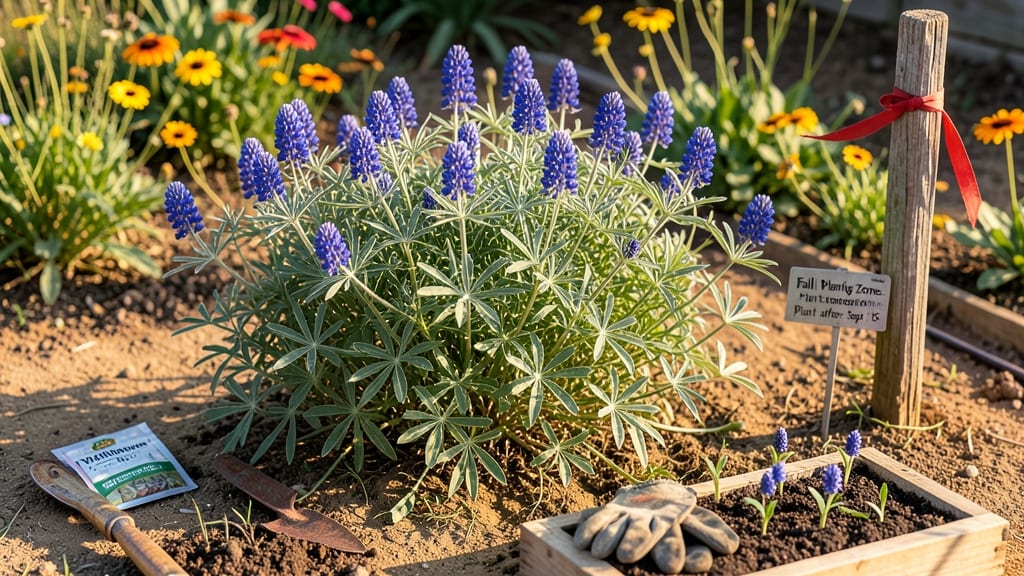
Plant wildflowers in Texas between September and November for the best blooms — timing this right means the difference between a vibrant meadow and a missed opportunity.
Picture this: you’ve cleared the land, scattered the seeds, and watered them in, only to watch them fade before spring. That’s what happens when you plant too early or too late for your region’s climate.
Texas’ diverse zones — from North to South — demand different strategies, and getting it wrong means fewer blooms and more frustration.
Fall planting is the golden window for most of the state, but South Texas can stretch into December, while North Texas might need an earlier start in September. The key? Understanding your frost dates, soil moisture, and how heat or drought can throw off your timeline.
Below, I break down the exact months for each Texas region, soil prep secrets, and how to keep your wildflowers thriving once they’re in the ground — no guesswork, just peak-bloom results.
Texas wildflower planting calendar by region: exact months for peak blooms
Timing is everything when planting wildflowers in Texas—especially since the state spans four distinct climate regions with wildly different frost dates and rainfall patterns.
I’ve planted wildflowers across North Texas, Central Texas, South Texas, and the Hill Country, and I’ve learned that planting just a few weeks too early or late can mean the difference between a lush, blooming meadow and a failed patch of dirt.
Let’s break down the optimal planting windows for each region, so you can time your wildflower dreams perfectly.
Texas’ diverse geography means North Texas (like Dallas-Fort Worth) has cooler winters with later frost dates, while South Texas (Houston to Brownsville) stays warm year-round.
The Hill Country (Austin, San Antonio) gets just enough rain to support wildflowers without overwatering, and Central Texas (Waco to College Station) sits in the sweet spot.
Each region also has native wildflower species that thrive when planted at the right time—like Bluebonnets in fall or Blackfoot Daisy in spring.
If you’re in North Texas, aim to plant by mid-October to give seeds time to germinate before winter. I’ve seen Bluebonnets fail when planted after November 1 because the soil stays too cold for germination.
For Central Texas, the October-November window is ideal—this lets seeds establish roots before the winter chill sets in. In South Texas, where frost is rare, November-December planting avoids the brutal summer heat that can bake seeds into the soil.
The Hill Country is unique because its limestone soil drains quickly, so planting in September-October ensures seeds don’t dry out before rain arrives. I’ve also noticed that Hill Country mixes often include drought-resistant species like Prairie Verbena, which thrive with minimal water once established.
Pro tip: If you’re in a dry year, consider pre-soaking seeds before planting to boost germination rates.
One common mistake I see is planting wildflowers in late summer (August-September) in hotter regions. The soil can exceed 100°F, causing seeds to dry out or even cook.
Instead, wait until temperatures drop below 90°F at night—usually by late September in North Texas or October in Central Texas. Another trick? Use a light mulch layer (like straw) to keep moisture in and cool the soil.
For spring planting (which is less common but works for some species), aim for February-April in North and Central Texas. This gives flowers time to establish before the summer heat kicks in.
However, South Texas is too hot for spring planting—seeds will sprout and then bake in the sun. If you’re in a cooler microclimate (like the Texas Panhandle), you might even squeeze in a late-summer planting in August, but
How to adjust planting timing for Texas weather extremes: heat, drought, and freeze risks
Texas weather can throw off even the best-laid wildflower planting plans. One year, you might enjoy an unusually warm fall, while another brings early freezes or scorching summer heatwaves. These extremes force gardeners to adapt their timing strategies to protect seeds and seedlings.
For example, Bluebonnets in North Texas might need an earlier start if September stays unusually hot, while South Texas gardeners could delay planting until November to avoid summer germination.
Adjusting your planting schedule isn't just about shifting months—it's about reading your local climate cues. Pay attention to soil temperatures, rainfall patterns, and weather forecasts. A simple soil thermometer can tell you when conditions are right for planting, while tracking drought alerts helps you prepare for dry spells.
Even a few degrees difference in soil temperature can mean the difference between successful germination and seed failure.
When temperatures deviate from normal, your wildflower mix choices matter just as much as timing. Some species, like Indian Paintbrush or Mexican Feathergrass, handle heat better than others.
Others, such as Blackfoot Daisy, tolerate light frosts. Knowing which plants thrive in your region's extremes lets you create a resilient meadow that blooms reliably year after year.
⚠️ Critical Timing Risks & Solutions
For late-summer heat, consider using shade cloth over newly planted areas to protect tender seedlings. A 30-50% shade cloth can reduce soil temperatures by up to 10°F, giving your wildflowers a better chance to establish roots before the next heatwave.
This is especially helpful in Central Texas, where August can still bring 100°F+ days even when fall planting season begins.
Drought conditions require extra preparation. Before planting, conduct a soil moisture test by digging down 2-3 inches—if the soil feels dry, water deeply before scattering seeds. For clay-heavy soils common in East Texas, amending with sand or compost improves drainage and helps seeds stay moist longer.
In the Hill Country, where rainfall is unpredictable, consider using hydro-mulch to lock in moisture and reduce evaporation.
When freezes threaten, focus on freeze-tolerant species like Coreopsis or Salvia, which can handle light frosts. For areas prone to hard freezes, delay planting until after the average first frost date or use temporary cold frames.
Even a few degrees of frost protection can mean the difference between a thriving meadow and a failed planting. Always check your local USDA hardiness zone for precise timing guidance.