
Propagation
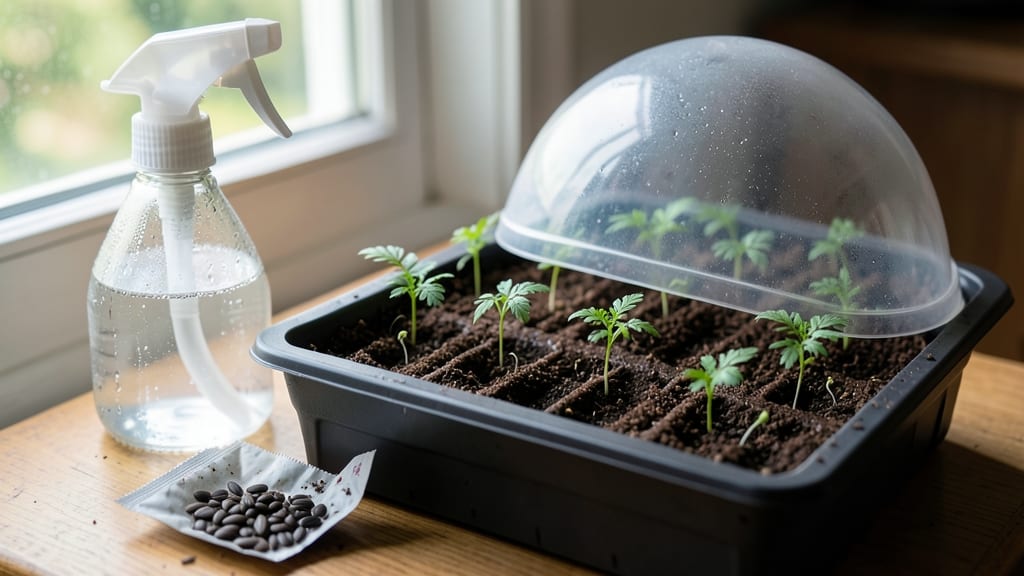
How long does it take flower seeds to germinate? The answer depends on the type of seed and the conditions you provide—ranging from just 3 days to over a month 🌸.
Waiting for those first tiny sprouts can feel like an eternity—especially when you're eager to see vibrant blooms—but germination times vary wildly by plant type. Some seeds pop up in days, while others take weeks, and knowing the exact timeline helps you plan your garden like a pro.
Fast germinators like marigolds and zinnias often sprout within 5 to 10 days under ideal conditions, while slower varieties such as foxgloves or delphiniums may take 2 to 4 weeks. Temperature, moisture, and even seed age play a huge role in how quickly your seeds decide to wake up.
Below, I’ll break down the exact germination windows for popular flowers, share proven tricks to speed up the process, and help you troubleshoot when things take longer than expected.


Germination timeframes for popular flower seeds by category
Understanding germination timeframes for flower seeds helps you set realistic expectations and plan your garden layout efficiently. Some seeds like marigolds and zinnia sprout in just 5-7 days, while others like lupines or foxgloves may take 2-4 weeks.
The difference comes down to seed type, temperature needs, and moisture levels—all factors we’ll break down by category.
I’ve organized these timeframes by flower categories (annuals vs. perennials) and seasonal preferences (cool vs. warm-season bloomers). This way, you can match your planting schedule to your climate zone and avoid the frustration of waiting too long for sprouts.
For example, warm-season annuals like cosmos often germinate faster in spring soil that’s warmed by the sun, while cool-season perennials like delphiniums may need a head start indoors.
Here’s a quick snapshot of what to expect, but we’ll dive deeper into each category with exact days and ideal growing conditions in the table below. Pro tip: Always check the seed packet for specific varieties—they sometimes have unique germination quirks!
Let’s start with the fastest germinators, which are perfect for impatient gardeners or those sowing seeds in container gardens where space is limited. Seeds like marigolds and cosmos typically sprout within 5-7 days when planted in warm soil (above 65°F).
These are ideal for warm-season annuals and thrive in full sun, making them great for borders or cutting gardens. The key is to keep the soil consistently moist but not soggy—overwatering can actually delay germination.
For moderate germinators, like petunias or snapdragons, you’ll see sprouts in 14-21 days under optimal conditions. These flowers often require slightly cooler soil (around 55-75°F) and benefit from a light covering of compost to retain moisture.
If you’re sowing these in late spring, consider using a seedling heat mat to speed up the process, especially in cooler climates.
Now, the slow germinators—like lupines or foxgloves—can test your patience, often taking 3-6 weeks to sprout. These perennial flowers usually prefer cooler soil temperatures (50-65°F) and may need a stratification period (a cold treatment) to break dormancy.
If you’re growing these from seed, I recommend starting them
How to speed up flower seed germination naturally (without chemicals)
If you're impatiently waiting for those first green sprouts to appear, you're not alone! Many gardeners want to accelerate germination without resorting to chemical stimulants. The good news is that with a few natural techniques, you can cut weeks off the process and get your flowers growing faster.
First, let's address the most critical factor: temperature. Most flower seeds germinate best between 65°F and 75°F (18°C-24°C). If your seeds are taking too long, they might be too cold.
A simple seedling heat mat or placing your seed trays on top of your fridge can provide that extra warmth without chemicals.
🌱 Numbered Highlights: Proven Germination Speed Boosters
- 1. Pre-Soak Seeds: Soak hard-coated seeds (like delphiniums) in warm water for 12-24 hours before planting to soften the shell.
- 2. Use Warm Water: Water your seeds with warm (not hot) water to kickstart metabolic activity.
- 3. Bottom Watering: Place trays in shallow water to hydrate soil evenly without disturbing seeds.
- 4. Cover with Plastic: Use a clear plastic wrap to create a humid microclimate while allowing light to penetrate.
- 5. Light Exposure: Most seeds need light to germinate—don't bury them too deep!
- 6. Rotate Trays: Keep seed trays near a sunny window or under grow lights for consistent light.
- 7. Avoid Overcrowding: Space seeds properly to prevent fungal growth from excess moisture.
Another game-changer is proper soil preparation. Use a lightweight, sterile seed-starting mix that drains well but retains moisture. Avoid garden soil, which can harbor diseases. Mix in a bit of perlite or vermiculite to improve aeration—this helps roots establish faster.
For stubborn seeds like foxgloves or snapdragons, try the paper towel method: Moisten a paper towel, place seeds between two layers, and keep them in a sealed bag at room temperature. Check daily—once sprouts appear, transplant immediately to avoid overgrowth.
Don't forget about light requirements! While most seeds need light to germinate, some (like petunias) can actually rot if exposed too early. Start with a thin layer of soil (just covering the seeds) and gradually increase exposure once sprouts emerge.
Finally, patience is key—but these tricks can shave off days or even weeks. Monitor your seeds closely, and once they sprout, provide gentle care to keep them thriving until they're ready for transplanting.