
Flowers
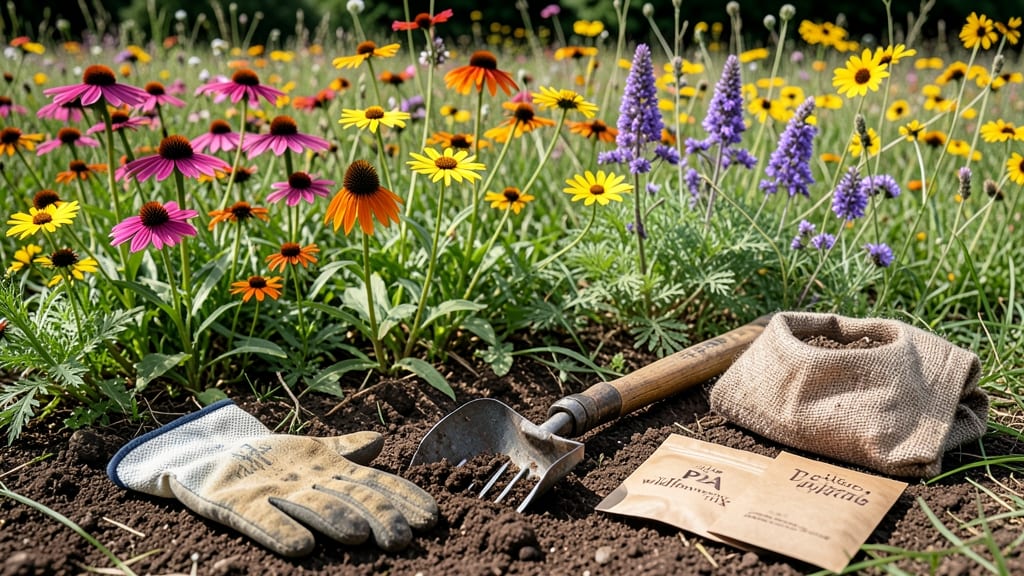
Planting wildflowers in Pennsylvania at the right time ensures fast establishment and vibrant blooms all season long 🌼.
Pennsylvania’s unpredictable climate can make wildflower planting a guessing game—but timing is everything for vibrant blooms and long-lasting meadows. Miss the window, and you’ll spend years waiting for color instead of enjoying it.
In USDA Zones 5-7, the best times to plant are early spring (March-April) or early fall (September-October). Spring planting gives wildflowers a head start, while fall gives them time to root before winter’s chill.
Below, I’ll break down the exact timing for your region, whether to plant from seed or transplants, and the top 5 wildflowers that thrive in PA’s soil—so you can skip the trial-and-error and get straight to blooms.
Best planting seasons for wildflowers in Pennsylvania
Pennsylvania’s variable climate means wildflower success hinges on precise planting timing. Whether you’re sowing native perennials or annual wildflowers, the difference between spring and fall planting can mean the difference between thriving meadows and spotty blooms.
Both seasons offer advantages, but regional microclimates—like Pittsburgh’s cooler temps versus Philadelphia’s humidity—require tailored approaches.
For spring planting, aim for early March through April, when soil temperatures reach 40-50°F and the last frost date (typically mid-April) looms. This window gives seeds time to germinate before summer heat arrives.
Meanwhile, fall planting (September to early October) leverages cool soil and natural rainfall to establish roots before winter dormancy. Each method has trade-offs, though, like weed competition in spring or early frost risks in fall.
Here’s how Pennsylvania’s USDA Zones 5-7 break down for wildflower timing, including soil prep tips and regional adjustments:
In Pittsburgh’s cooler climate (USDA Zone 6), spring planting should wait until late April to avoid late frosts, while Philadelphia’s Zone 7 allows earlier starts in March. For fall, Pittsburgh’s shorter growing season means sowing by mid-September, whereas Philadelphia can extend to early October.
Always check your local last frost date—a critical factor for wildflower seed germination.
Soil conditions play a pivotal role in both seasons. In spring, loosen compacted soil to improve aeration and reduce weed pressure.
For fall, focus on adding compost to enrich the soil before winter. Native wildflowers like black-eyed susans and coneflowers thrive in well-draining soil, so avoid heavy clay areas unless amended with organic matter.
If you’re planting annual wildflowers, spring is your best bet for immediate color. Species like cosmos and zinnia germinate quickly in warm soil and bloom by summer. For perennial meadows, fall planting ensures stronger root systems before winter, leading to vibrant blooms in the second year.
My own PA meadow uses a mix of both strategies—spring for annuals and fall for perennials.
Pro tip: Use a seed starter mix for warm-season wildflowers
How to prepare your PA garden for wildflower success
Before planting wildflowers in Pennsylvania, focus on soil prep and sunlight exposure—these two factors make or break your meadow’s success. Native wildflowers like black-eyed susans and coneflowers thrive in well-draining soil and full sun, so prioritize these conditions first.
Start by clearing the area of weeds and debris, then loosen the top 6 inches of soil to improve aeration. If your soil is heavy clay (common in PA), mix in compost or sand to help water drain. This step prevents root rot and encourages strong seedling growth.
Wildflowers need 6+ hours of sunlight daily for optimal blooming. Scan your garden for sunny spots—even partial shade can reduce flower production. If you’re planting in a shady area, choose shade-tolerant species like wild columbine or foamflower.
🌱 Key Steps for PA Wildflower Prep
Loosen top 6"
Add compost/sand
Test pH (6.0-7.0 ideal)
6+ hours daily
Full sun = best blooms
Partial shade = fewer flowers
Native PA species
Mix annuals/perennials
Check frost dates
Early spring (March-April)
Early fall (Sept-Oct)
Avoid summer heat
"Native wildflowers need minimal care once established—prioritize soil and sun for maximum blooms!"
For seed selection, choose native PA wildflowers like milkweed (for monarchs) or bee balm (for pollinators). Mix annuals (like cosmos) with perennials (like coneflowers) to ensure year-round color. Check your last frost date (typically April 15 in most of PA) to time planting.
After prepping the soil, scatter seeds lightly—they need light to germinate. Press them into the soil with a rake, then mulch with straw or leaf litter to retain moisture. Water gently but deeply to avoid washing seeds away. Avoid overwatering, as wildflowers prefer drought-tolerant conditions once established.
Finally, mark your planting area to avoid disturbing it. Wildflower seeds can take 2-3 weeks to sprout, so patience is key. Once they’re up, reduce watering to encourage strong root growth. With the right prep, your PA wildflower meadow will bloom beautifully for years to come! 🌻