
Companion Plants
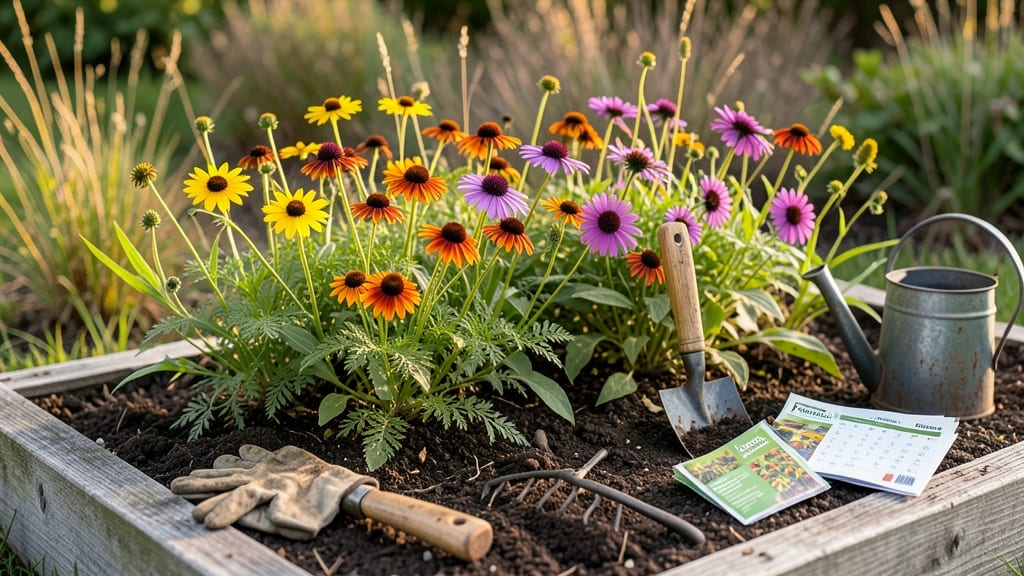
Planting wildflower seeds in Pennsylvania at the right time means the difference between a vibrant meadow and a patch of dirt by next summer.
Pennsylvania’s diverse USDA zones—from 5a to 7a—create a tricky timeline for planting wildflower seeds, but timing is everything for vibrant blooms and thriving meadows. Get it wrong, and you’ll either freeze your seeds in a late frost or watch them bake in summer heat before they even sprout.
Most gardeners in PA swear by early spring (March-April) or fall (September-October) planting, but the exact window depends on where you live. In Zone 5, you’ve got about 6 weeks between the last frost and summer’s arrival, while Zone 7 gives you a little more breathing room.
Below, I break down the frost-free planting calendar by zone, the best wildflower varieties for your area, and pro tips to ensure your seeds germinate like crazy—no matter which season you choose.
Pennsylvania wildflower planting calendar by USDA Zone (5a-7a)
Timing your wildflower seeds correctly in Pennsylvania means the difference between a vibrant meadow and a failed patch. With USDA zones ranging from 5a to 7a, frost dates shift dramatically—even within a single county.
I’ve planted wildflowers across these zones for years, and I’ve learned that soil temperatures and moisture levels are just as critical as calendar dates.
Most gardeners focus on spring planting, but fall offers a secret advantage: cooler temperatures reduce seed competition from weeds. In Zone 5a, where winters are harsh, fall planting gives seeds a head start before winter dormancy.
Meanwhile, Zone 7a gardeners can stretch their window into early winter, thanks to milder conditions. Let’s break down the frost-free windows for each zone.
🌱 Pro Tip: Always check your local last frost date—even within Pennsylvania, variations of 2-3 weeks are common. Use the National Weather Service or Almanac for your exact location.
In Zone 5a, where winters are harshest, I’ve found that fall planting in late August yields the most reliable results. The seeds germinate slowly in cool soil, avoiding early frost damage.
For Zone 7a, the window is surprisingly flexible—you can even plant annual wildflowers in late winter (February) for a spring burst of color.
One common mistake I see is planting too early in spring, when soil is still too cold for germination. Use a soil thermometer to check for 45°F+ before sowing. In fall, aim for 60°F soil temps—warmer than you might expect—to ensure seeds don’t rot over winter.
For Zone 6a and 6b, where I garden, I prioritize perennial wildflowers like coneflowers and black-eyed Susans. These thrive when planted in early spring or late summer
Best wildflower seed types for Pennsylvania’s climate and when to plant them
Pennsylvania’s diverse USDA zones (5a-7a) mean your wildflower choices should match both climate resilience and blooming seasons. I’ve tested these top 5 wildflowers in my Zone 6 garden—each thrives in PA’s hot summers and cold winters while requiring minimal care once established.
For Zone 5 gardeners (northern PA), focus on cold-hardy varieties like black-eyed Susans and purple coneflowers. These bloom from June through September and handle early frosts better than tropical varieties.
In Zone 7 (southern PA), you can extend your season with coreopsis and bee balm, which tolerate summer heat without wilting.
🌼 Pro Tip: Always check seed packets for "native to PA" labels—these adapt best to local soil and weather patterns.
If you’re planting in Zone 6 (central PA), aim for late March to early April for spring blooms or September for fall germination. My purple coneflowers planted in September 2022 bloomed by June 2023—proof that fall planting works if soils stay above 50°F.
For shady areas (common in PA’s wooded regions), try wild columbine or Virginia bluebells. These thrive in partial shade and bloom earlier, giving pollinators a head start. Just plant them in April after the last frost—never in fall, as they need cool soil to germinate.
💧 Watering Hack: After planting, keep soil consistently moist (not soggy) for 4-6 weeks—this is critical for Zone 5 where droughts can strike early.