
Flowers
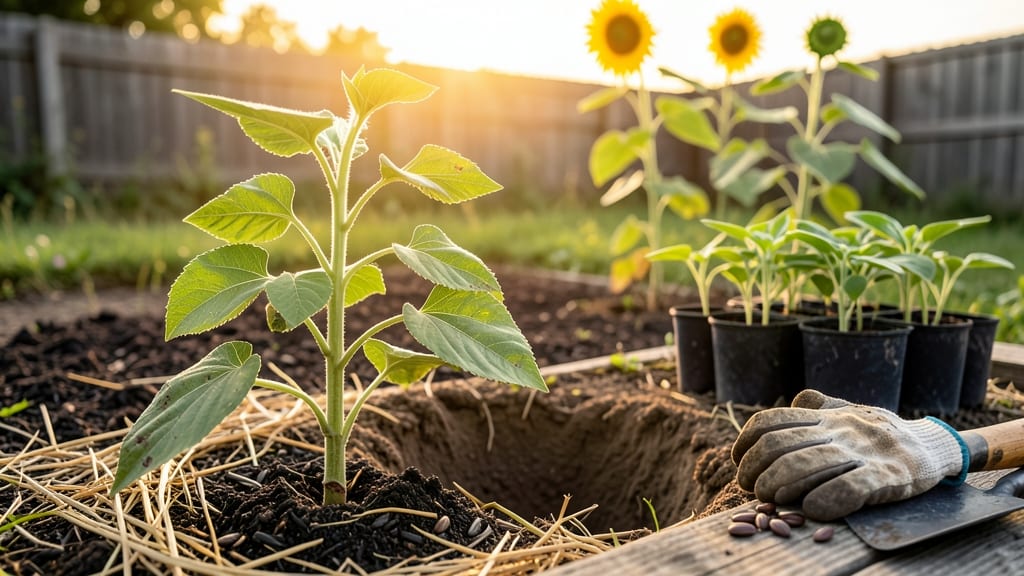
Planting sunflowers in Utah means timing it perfectly to avoid late frosts at 3,000 feet or early snows above 8,000 feet—where one wrong move can leave you with stunted stalks or no blooms at all.
Utah’s high desert and mountain climates throw off the usual planting rules. What works in Salt Lake City’s Zone 6 won’t cut it in Park City’s Zone 4, and those elevation shifts change everything from soil warmth to frost risk.
Below, I break down the exact frost-free windows for Utah’s five elevation zones, including city-specific adjustments, soil prep tricks for cold starts, and the fastest-maturing varieties to beat the clock.
You’ll walk away with a 3-step planting plan that accounts for Utah’s unpredictable swings—so your sunflowers 🌻 stand tall and proud, not wilted by a late freeze.
Utah sunflower planting dates by elevation zone (2024 guide)
Utah’s dramatic elevation shifts—from 3,000 feet in St. George to 10,000 feet in the mountains—create wildly different frost-free windows for sunflowers. At lower elevations, you might plant in early April, while high-altitude gardeners wait until late May.
These differences affect soil warmth, heat unit accumulation, and even sunflower variety selection. Let’s break down the exact planting windows for Utah’s five key elevation zones, including city-specific examples.
Sunflowers thrive on heat units, with most varieties needing 900–1,200 growing degree days (GDD) to reach maturity. Utah’s shorter growing seasons at higher elevations mean you’ll need early-maturing varieties (60–75 days) to avoid fall frost.
For example, a 90-day variety planted in Salt Lake City (4,200 ft) might bloom by mid-September, while the same variety in Park City (7,000 ft) could struggle to finish before frost. Planning ahead ensures your sunflowers reach their full height potential—some varieties grow over 10 feet tall!
In St. George (3,400 ft), where the last frost typically occurs around March 15, you can start planting sunflowers as early as mid-March. The long, hot summers provide enough heat units for even tall varieties like ‘Russian Giant’ (12+ feet) to thrive.
Meanwhile, in Moab (4,000 ft), the desert climate is deceptive—while days are warm, nighttime temperatures can drop sharply, delaying soil warming. Aim for late April to avoid cold soil stress.
For Salt Lake City (4,200 ft), the average last frost date is April 15, but microclimates near the Great Salt Lake can push this back to May 1. To maximize your growing season, opt for early-maturing varieties like ‘Teddy Bear’ (60 days) or ‘Moulin Rouge’ (70 days).
These will bloom before the first fall frost, which usually hits around October 15. In Park City (7,000 ft), the shorter season demands even faster varieties—consider dwarf sunflowers like ‘Sunspot’ (55 days) to ensure blooms before September frosts.
High-altitude gardens in Moab (4,000 ft) or Heber (6,500
How to adjust sunflower planting for Utah’s microclimates
Utah’s dramatic elevation shifts and desert winds demand flexibility when planting sunflowers. While the frost-free window varies by zone, your local microclimate—soil warmth, wind exposure, and water access—can shift ideal planting dates by 2-4 weeks. Let’s adjust your strategy for Utah’s unique growing conditions.
Start by testing soil temperature before planting. Sunflowers thrive in soil warmer than 55°F, but Utah’s high desert cools quickly at night. Use a soil thermometer or the back-of-your-hand test—if it feels cool to the touch, delay planting.
In low-elevation zones like St. George, soil warms faster, while high-altitude areas near Park City may need row covers for earlier starts.
🌱
- 🌡️ Cold Soil Solutions: Use black plastic mulch to warm soil 5-10°F faster—ideal for high-desert areas like Moab where nights stay chilly. Lay plastic 2-3 weeks before planting.
- 💨 Wind Protection: In open areas (e.g., Salt Lake Valley), plant near windbreaks like shrubs or fences. Tall varieties may need staking if exposed to 30+ mph winds.
- 💧 Irrigation Access: Delay planting in drought-prone zones until irrigation is reliable. Choose drought-tolerant varieties like 'Autumn Beauty' if water is scarce.
- ⏰ Adjust Timing: Plant 2 weeks earlier in sheltered microclimates (e.g., near buildings) and 2 weeks later in exposed areas like mountain foothills.
For high-elevation gardens (above 7,000 ft), opt for early-maturing varieties like 'Teddy Bear' (56 days) to avoid early fall frosts. In low-desert areas (below 4,000 ft), you can push the envelope with late-summer plantings for fall blooms, but ensure consistent watering during Utah’s intense summer heat.
Monitor local weather patterns—Utah’s unpredictable spring rains can delay soil warming. If frost threatens after planting, cover seedlings with frost blankets or row covers. In urban microclimates (e.g., Salt Lake City’s downtown), pavement radiates heat, so plant 1-2 weeks earlier than rural areas.
Remember, sunflowers are resilient but reward precise timing. By accounting for your soil warmth, wind exposure, and water access, you’ll maximize blooms and minimize stress on your plants—even in Utah’s challenging climate. 🌻