
Flowers
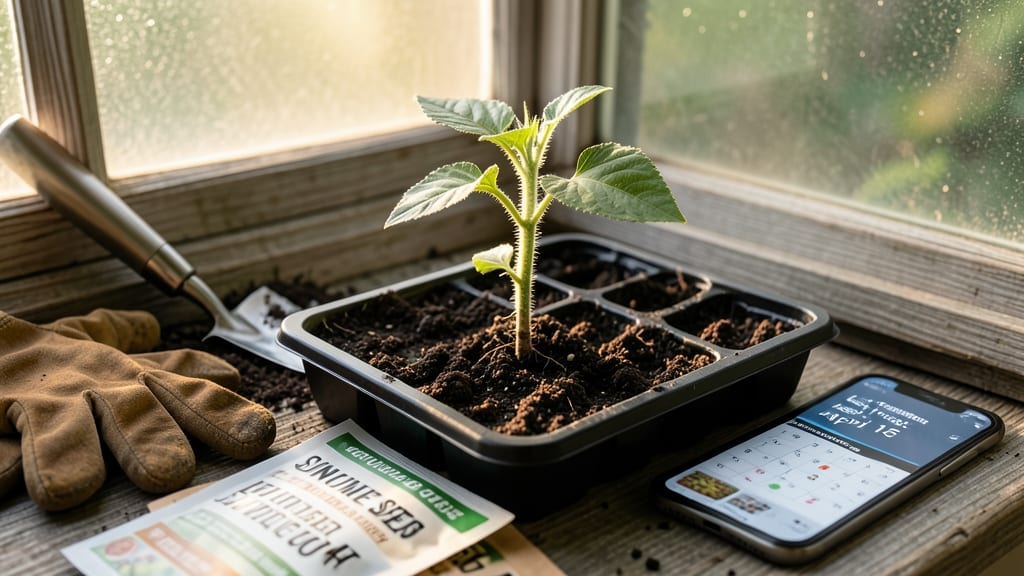
Planting sunflowers in East Tennessee means timing your seeds for the 165 frost-free days between April and October, when soil warms to at least 50°F.
Picture this: you’ve cleared the garden bed, seeds in hand, only to wake up to a surprise frost in May. That’s the nightmare gardeners in Zones 7a and 7b face when planting too early.
Or worse, waiting too long and watching your sunflowers bolt before they even bloom. The key is knowing the exact window—and it’s not just about the calendar.
East Tennessee’s humidity and unpredictable spring weather demand precision. Too much moisture can rot seeds, while scorching summer heat might stress young plants. But get it right, and you’ll enjoy towering 🌻 blooms from July through October, attracting pollinators and brightening your yard.
Below, I’ll break down the ideal planting dates for your zone, soil prep secrets, and how to adjust for sunflower varieties—whether you’re growing giants for cutting or dwarf types for containers. Let’s make this your best sunflower season yet.
Best sunflower planting dates in East Tennessee by hardiness Zone (7a vs. 7b)
East Tennessee’s USDA Zones 7a and 7b create distinct planting windows for sunflowers, where soil temperature and last frost dates determine success. Zone 7a (cooler) has a shorter growing season than Zone 7b (warmer), so timing matters—especially for tall varieties like 'Mammoth' that need more time to mature.
Let’s break down the ideal planting windows for both zones, including Knoxville and Chattanooga averages.
Sunflowers thrive when soil reaches 55–60°F, signaling safe germination. In Zone 7a, this typically happens around mid-April, while Zone 7b warms up 1–2 weeks earlier. Waiting until after the last frost date (usually April 15 in Knoxville) minimizes frost damage to young seedlings.
For direct sowing, aim for mid-April to early May in Zone 7a and late March to mid-April in Zone 7b.
Transplanting sunflower starts offers flexibility but requires hardened-off seedlings and warm soil. In Zone 7a, transplant between May 1–15 for best results, while Zone 7b gardeners can start as early as April 15. Succession planting every 2 weeks ensures continuous blooms through summer.
For direct sowing, scatter seeds 1 inch deep and 6 inches apart in rows 18–24 inches apart to prevent overcrowding. Thin seedlings to 12–18 inches apart once they reach 3–4 inches tall, ensuring each plant gets plenty of sunlight.
In Zone 7a, prioritize early-maturing varieties like 'Autumn Beauty' (60–70 days) to avoid fall frosts.
Transplanting sunflower starts requires gentle handling to avoid root damage. Harden off seedlings by placing them outdoors for 2–3 hours daily for 5–7 days before transplanting. Dig holes twice as wide as the root ball and amend soil with compost to improve drainage—critical in East Tennessee’s clay-heavy soils.
Water deeply after transplanting to settle roots.
In Zone 7b, where summers are hotter and longer, you can push the envelope with late plantings for dwarf varieties like 'Teddy Bear' (50–60 days). Sow these as late as June 1 for fall blooms, though they’ll mature faster in the warmer climate.
Always monitor soil moisture—East Tennessee’s humidity can lead to powdery mildew if plants stress from drought.
Pro tip: Use a soil thermometer to confirm 55–60°F soil temps before planting. In Zone 7a, black plastic mulch can warm soil faster and extend the season by 1–2 weeks.
In Zone 7b, focus on shade cloth during peak summer heat (90°F+) to protect young plants from bolting or leaf scorch.
Remember, sunflowers are fast growers—some varieties like 'Russian Giant' can reach 14 feet tall in just 80–100 days. Start early in Zone 7a to avoid late-summer wilting from heat stress.
In Zone 7b, stagger plantings to harvest seeds from July through October, ensuring a steady supply for bird feeders or culinary uses.
If you’re unsure about your exact last frost date, check local Cooperative Extension Service records or use a frost calendar app. Adjust your planting window by 1–2 weeks if your microclimate runs cooler or warmer than the zone average. With the right timing
How to adjust planting times for sunflower varieties (tall vs. dwarf vs. edible)
Not all sunflowers thrive on the same schedule in East Tennessee. The ‘Mammoth’ sunflower, reaching up to 14 feet tall, needs an early start to mature before fall frost, while dwarf varieties like ‘Teddy Bear’ can wait until late May without risking bolting.
Even edible sunflowers like ‘Autumn Beauty’ require precise timing to ensure seed maturity by October. Adjusting your planting window based on variety ensures your garden stays vibrant from July through frost.
In Zone 7a (cooler areas like Knoxville’s higher elevations), giant sunflowers should start indoors by March 15 or direct-sow by April 15, while dwarf types can wait until May 1.
Zone 7b (warmer areas like Chattanooga’s valleys) offers a slightly extended window—giants by April 1 and dwarfs by May 15. For edible varieties, aim for a 70-day harvest window to align seed ripening with your frost date.
| Variety Type | Zone 7a Planting Window | Zone 7b Planting Window | Key Notes |
|---|---|---|---|
| Giant (e.g., ‘Mammoth’) | Indoors: March 15 Outdoors: April 15 |
Indoors: March 25 Outdoors: April 1 |
Needs 90+ days to mature; use row covers for early starts. |
| Dwarf (e.g., ‘Teddy Bear’) | May 1 (tolerates late starts) | May 15 (ideal for containers) | 50-60 days to bloom; great for small spaces. |
| Edible (e.g., ‘Autumn Beauty’) | April 15 (for July harvest) | April 1 (earlier harvest possible) | Harvest seeds when back turns brown (Oct in Zone 7a). |
| Semi-Dwarf (e.g., ‘ProCut’) | April 20 (balance of height/time) | April 10 (earlier for bouquets) | 60-70 days to cut; ideal for arrangements. |
For edible sunflowers, focus on the ‘Autumn Beauty’ variety, which produces nutritious seeds perfect for bird feeders or roasting. Plant these by April 15 in Zone 7a to ensure seeds ripen by early October.
If you’re aiming for a second harvest, try a late-May sowing of dwarf varieties—they’ll bloom just in time for fall arrangements before frost.
Extending your sunflower season in East Tennessee is easier than you think. Use floating row covers to protect early plantings from late spring frosts (common in Zone 7a). Remove covers once soil warms to 60°F to prevent overheating.
For dwarf varieties, containers on patios work beautifully—just ensure they get full sun and well-draining soil to prevent root rot in our humid summers.
Pro tip: Mark your calendar for July 4th weekend—this is peak bloom time for sunflowers in East Tennessee. By then, your giant varieties should be 6-8 feet tall, while dwarfs will be blooming nonstop.
If you notice yellowing leaves or stunted growth, check for powdery mildew (common in our humidity) and treat with neem oil. With the right timing, your sunflowers will reward you with months of color and joy.
Remember, sunflowers are forgiving plants—they’ll grow even if you’re a few days off schedule. But for the show-stopping displays you crave, follow these variety-specific windows. Your garden (and local pollinators) will thank you! 🌻