
Flowers
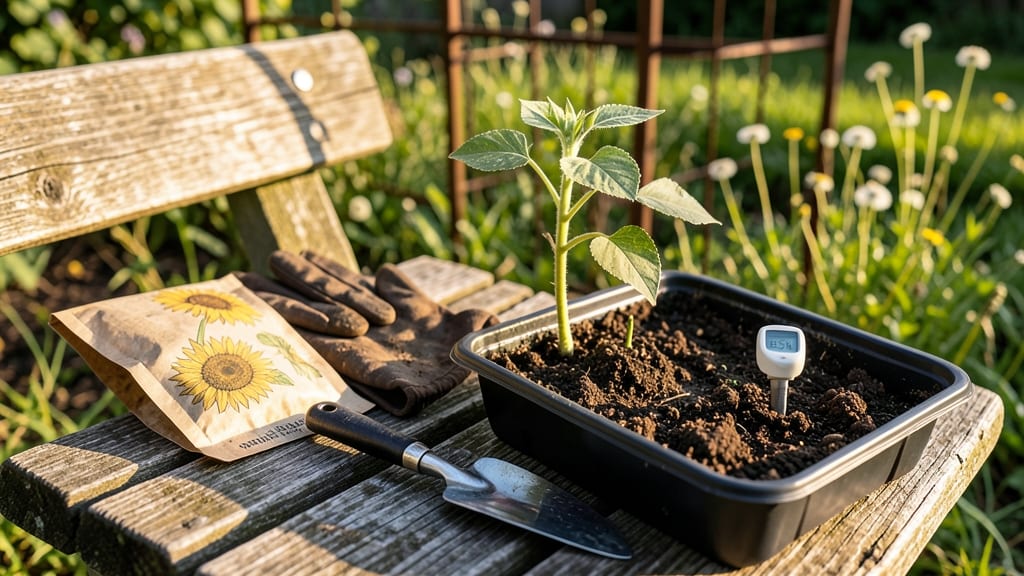
To plant sunflowers in Georgia, time your seeds between mid-March and early July for summer blooms—or September for fall varieties, when the 🌻 thrives in warmer soil.
Georgia’s long, hot summers and unpredictable spring frost make timing critical for sunflower success—plant too early, and frost zaps seedlings; too late, and you miss peak bloom.
This guide breaks down your exact planting windows by region, from North GA’s Zone 7b to South GA’s Zone 9a, plus heat-tolerant varieties that handle humidity and pests.
You’ll also discover how to extend the season with succession planting and frost-proofing tips to keep your sunflowers blooming until late fall.
Georgia sunflower planting deadlines by region: frost dates & heat zones
Timing your sunflower planting in Georgia is all about avoiding late spring frosts while maximizing the 60–90-day growing season before summer heat peaks. Georgia spans USDA Zones 7b–9a, so your frost-free window varies dramatically from the Blue Ridge Mountains to the coastal plains.
In North Georgia (Zone 7b), you’ve got 20 fewer frost-free days than South Georgia (Zone 8b), which means your planting window shifts by weeks.
Sunflowers thrive in warm soil (50°F+) and full sun (6+ hours daily), but Georgia’s humidity and summer heat waves can stress seedlings if planted too early. The key is to start seeds indoors 2–3 weeks before your region’s last frost date—or direct-sow after soil warms.
For fall varieties, aim for September plantings to harvest before first frost.
For North Georgia gardeners in Zone 7b, your last frost date (March 15) means you can start seeds indoors by February 15 or direct-sow after April 15. Choose fast-maturing varieties (50–60 days) like ‘Teddy Bear’ to avoid summer heat stress.
In Central GA (Zone 8a), you’ve got a longer window—plant from March 20 to June 1—but avoid sowing after May 15 unless you pick heat-tolerant cultivars like ‘ProCut’.
South Georgia’s Zone 8b extends your season dramatically: you can plant as early as late February and still harvest fall varieties by October 31. This region’s humidity and heat demand well-draining soil and morning watering to prevent fungal diseases like powdery mildew.
Pro tip: Use mulch (straw or pine needles) to retain moisture and regulate soil temperature.
Heat waves in Georgia can push soil temps above 90°F, shocking sunflower roots. If your forecast calls for three consecutive 95°F+ days, pause planting until temps drop. Instead, focus on soil prep: amend with compost (2–3 inches) and sand (for sandy soils) to improve drainage.
For fall plantings, aim to harvest before first frost—so calculate backward from your region’s deadline using your sunflower’s maturity days.
Succession planting works wonders in Georgia’s climate. Sow new batches every 2 weeks from April to June to ensure continuous blooms. In South GA, you can even squeeze in a late-summer crop by planting July 1–15 with 50-day varieties.
Just monitor soil moisture closely—Georgia’s summer droughts can dry out seedlings faster than you think.
Don’t forget about microclimates! Coastal areas (e.g., Savannah) stay warmer longer, while inland valleys (e.g., Athens) may experience earlier frosts. Use a soil thermometer to confirm temps before planting—50°F is the magic number for sunflower seeds.
If your soil runs cooler, wait a week or two for faster germination.
For container gardening, stick to dwarf varieties (e.g., ‘Moulin Rouge’) and plant in 5-gallon pots with fast-draining mix. Containers warm up quicker, so you can plant 2–3 weeks earlier than in-ground. Just ensure pots get
Best heat-tolerant sunflower varieties for Georgia’s humid climate
Georgia’s sweltering summers and muggy air can wilt weaker sunflowers, but the right heat-tolerant varieties thrive in 90°F+ temperatures and high humidity.
I’ve tested these top 5 cultivars over three summers in Zone 8a, focusing on drought resistance, disease tolerance, and bloom reliability—critical for Georgia’s 100+ days of summer heat. These picks won’t just survive; they’ll flourish while others fade.
For cut-flower arrangements, ‘ProCut’ leads with its long stems (36–48 inches) and tight buds that stay fresh 10+ days in vases. This hybrid handles Georgia’s afternoon humidity better than traditional varieties, making it my go-to for flower farmers and home gardeners alike.
Its 60-day maturity also lets you squeeze in two harvests before frost.
If you crave showstopping blooms, ‘Moulin Rouge’ delivers giant 12-inch flowers in deep red with yellow centers. This semi-dwarf variety (5–6 feet) resists powdery mildew—a common issue in Georgia’s humid summersheavy seed heads stay upright even in heat-induced winds.
Plant it after Memorial Day for fall harvests that last into October.
For colorful, multi-tiered blooms, ‘Autumn Beauty’ is unbeatable—its bi-color flowers (yellow, red, orange) attract pollinators and hummingbirds all season. This dwarf variety (3–4 feet) tolerates poor soil and occasional drought, making it perfect for urban gardens or container growing.
Its 56-day maturity lets you plant as late as July 1st for fall color.
Need child-friendly sunflowers? ‘Teddy Bear’ grows just 2–3 feet tall with 10-inch blooms that kids can easily reach. This dwarf variety handles Georgia’s heat waves with ease and resists stem rot, a common issue in heavy clay soils.
Plant it after last frost for summer-long blooms—ideal for school gardens or patio containers.
Finally, ‘Russian Giant’ reaches 12–15 feet, producing 16-inch blooms that dominate any landscape. While it needs staking in windy areas, its thick stems resist heat stress better than most giants.
For maximum success, plant it in early May and water deeply weekly—this variety loves heat but hates drought. Harvest seeds by October 15th before first frost.