
Flowers
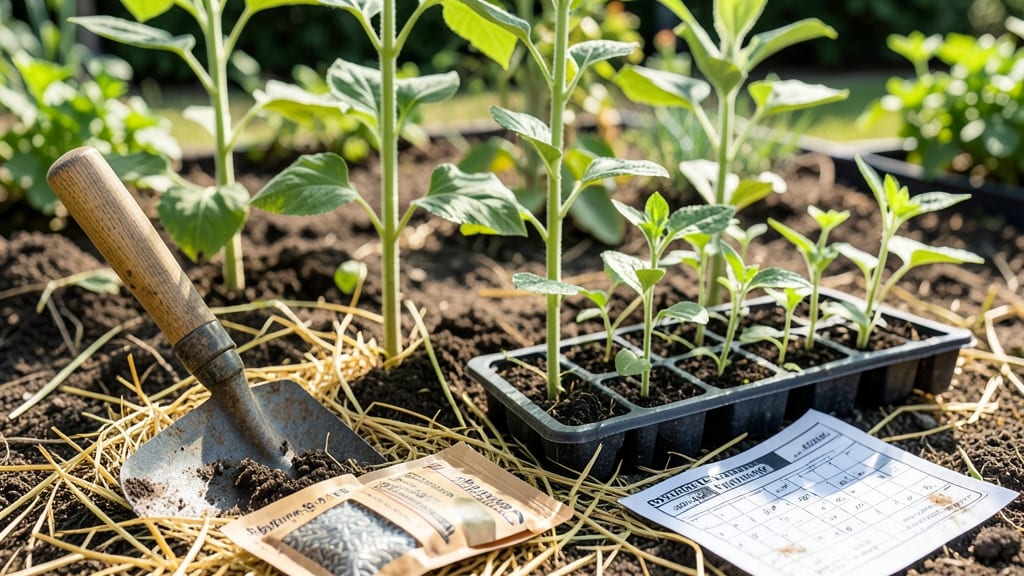
To plant sunflowers in Oregon after the last frost date is the key to towering blooms and happy pollinators.
Sunflowers 🌻 in Oregon can reach towering heights and vibrant colors—but planting them at the wrong time means wilted dreams before they even bloom. Timing is everything, especially in Oregon’s diverse USDA Zones 7-9, where coastal fog clashes with inland heat.
Most gardeners in Oregon’s Zone 7b-9a should wait until mid-April to early July, when the soil warms and frost risks fade. But coastal areas like the Willamette Valley may need to wait until May, while high-desert regions can start as early as April.
Below, I’ll break down the exact planting windows by zone, the best varieties for Oregon’s climate, and how to prep your soil for maximum growth—so you can enjoy sunflowers from July through October.
Oregon sunflower planting calendar by USDA Zone (7-9) for maximum growth
Oregon’s diverse microclimates mean your sunflower planting window can vary dramatically between coastal Zone 7, Willamette Valley Zone 8, and high-desert Zone 9.
Coastal areas like Astoria face late spring frosts until mid-May, while Bend’s Zone 9 enjoys earlier warmth—sometimes as early as late March. Getting the timing right ensures your sunflowers reach their full 10-foot potential without wilting from heat stress or frost damage.
Sunflowers thrive in 6-8 hours of sunlight, but Oregon’s summer heat tolerance thresholds differ by region. Inland areas like Zone 9 can hit 95°F+ by July, while coastal Zone 7 rarely exceeds 80°F.
Planting too early in Zone 7 risks seedling rot from lingering dampness, while Zone 9 may need shade cloth to protect young plants from intense afternoon sun.
Here’s your month-by-month planting guide tailored to Oregon’s USDA Zones 7-9, including frost risk analysis and heat tolerance tips to maximize your sunflower’s growth potential.
For coastal Zone 7 gardeners, May 15 is your sweet spot—waiting until then avoids late frosts that can kill tender seedlings. I’ve seen ‘Teddy Bear’ sunflowers thrive here with morning sun and afternoon shade, reaching 3-4 feet tall by August.
Use black plastic mulch to warm the soil faster if planting early.
In the Willamette Valley (Zone 8), you can start as early as mid-April, but soil temperatures below 50°F slow germination. Test your soil with a soil thermometer—if it’s below 55°F, wait a week.
My ‘Autumn Beauty’ sunflowers here bloom from July to October, with deep red-to-yellow petals that attract pollinators all season.
High-desert Zone 9 offers the earliest planting window, but intense afternoon sun can scorch seedlings.
Plant in early March under shade cloth or use drip irrigation to keep soil moist. ‘Russian Giant’ sunflowers can grow 12-15 feet tall here, but they need sturdy stakes—Oregon’s summer winds are no joke!
Pro tip: Direct sow seeds 1 inch deep and 2-3 feet apart for tall varieties. In Zone 7, I’ve had success with row covers to protect young plants from coastal fog, which can delay flowering by 2-3 weeks.
Always water deeply at the base in the morning to prevent powdery mildew, a common issue in Oregon’s humid summers.
If you miss the spring window, you can try a late summer planting in Zone 8-9—just sow by July 1 to give flowers time to mature before first frost.
I’ve grown ‘ProCut’ sunflowers this way, and they still reached 6 feet tall with bright yellow blooms by September.
How to extend sunflower season in Oregon: cold-hardy varieties and soil prep hacks
Oregon’s cool coastal climates and inland heat waves can make sunflower growing a challenge—but the right cold-hardy varieties and soil prep tricks let you enjoy blooms from June to October.
The key is choosing sunflowers that thrive in Zone 7-9 temperatures while protecting seedlings from late frosts, which can hit as late as May in coastal areas.
For extended seasons, I recommend starting with early-maturing varieties like ‘Moulin Rouge’ (60 days to bloom) or ‘Autumn Beauty’ (70 days), which handle Oregon’s short growing windows better than tall giants.
Meanwhile, ‘Russian Giant’ (120+ days) shines in Zone 9’s heat, but only if planted after the last frost.
Here’s my step-by-step guide to soil prep and frost protection for sunflowers in Oregon:
- 🌱 Test soil temp
- 🌡️ Aim for 55°F+ (use a soil thermometer!)
- 🪴 Amend heavy clay
- 💧 Mix in compost + perlite for drainage
- ☀️ Choose full-sun spots
- 🌿 6+ hours of sun daily (no shade!)
- 🛡️ Mulch seedlings
- 🪴 Use straw or black plastic to insulate roots
Oregon’s late spring frosts are the biggest threat to sunflower seedlings, so I always use row covers or cloche tunnels until the danger passes. For Zone 7 gardeners, this means waiting until after May 15—even if your neighbors plant earlier.
In Zone 9’s high desert, you can start as early as April 1, but watch for heat stress on young plants.
Once your sunflowers are established, they’re drought-tolerant, but consistent morning watering (1-2 inches per week) keeps them thriving. I’ve seen ‘Teddy Bear’ sunflowers (3-4 feet tall) bloom reliably in Portland’s microclimate by following these soil prep steps—even with our cool, wet springs.
For a second harvest, try a late July planting of ‘ProCut’ (cut-flower variety) in Zone 8-9. These heat-loving sunflowers often bloom by September, extending your season until the first frost. Just be sure to space them 2-3 feet apart to avoid shade competition!