
Flowers
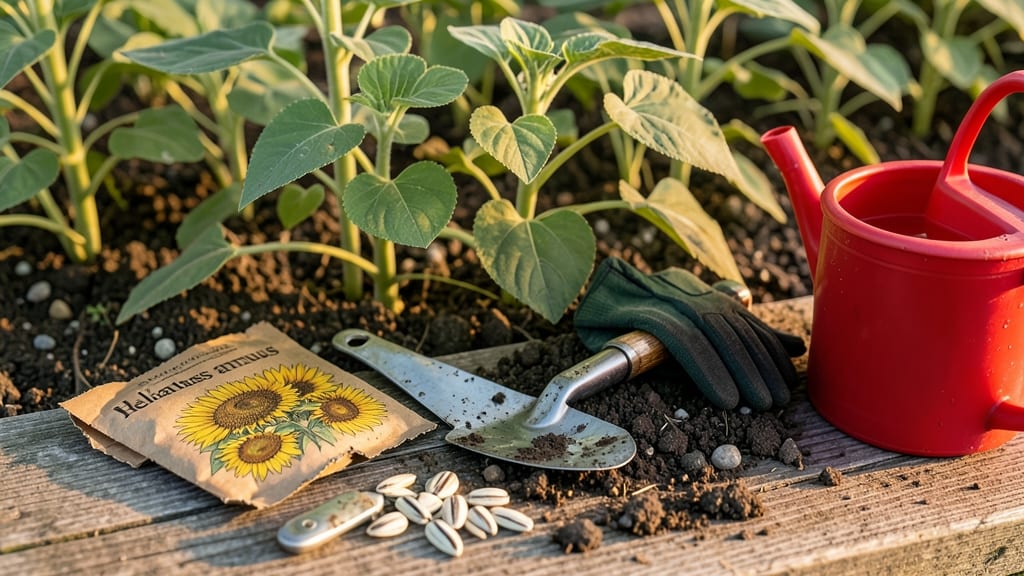
To plant sunflowers in Georgia after the last frost date is the golden rule for tall, vibrant blooms 🌻 that thrive in your 7b-8b climate.
Georgia’s warm climate and long growing season make it an ideal place for sunflowers—but planting too early or late can mean wilted dreams before they even bloom. Timing is everything, and your county’s last frost date could be the difference between a sunflower showstopper and a sad, stunted stem.
Most Georgia gardeners wait until mid-April to early June, once the soil has warmed and the danger of frost has passed. This 60- to 90-day window ensures your sunflowers have plenty of time to mature before the first frost hits in November.
Below, I’ll break down the exact frost-free timeline by county, share tips for adjusting planting dates based on your microclimate, and help you avoid common mistakes that can ruin your sunflower season.
Georgia sunflower planting dates by county: frost-free timeline guide
Sunflowers 🌻 thrive in Georgia’s warm climate, but timing your planting based on your county’s last frost date ensures strong, healthy blooms. Georgia spans USDA zones 7b-8b, but microclimates vary—coastal areas warm up faster than mountainous regions.
Most sunflower varieties mature in 60-90 days, so planting too early risks frost damage, while late planting may leave stems too tall before winter’s first chill.
For precise planting windows, use your county’s average last frost date as your guide. Generally, aim to plant 2-4 weeks after the last expected frost in your area.
Northern counties like Dawson or Habersham may wait until mid-April, while southern counties like Camden or Chatham can start as early as late February. Always verify with your local Cooperative Extension office for real-time updates.
Here’s a county-by-county breakdown of Georgia’s frost-free planting windows, tailored to sunflower maturity timelines. Use this as your quick-reference guide before heading to the garden center.
| County | USDA Zone | Avg. Last Frost | Optimal Planting Window | Harvest Window | Notes |
|---|---|---|---|---|---|
| Baldwin | 8a | March 1 | Late Feb - Early April | Late July - Oct | Coastal; warm soil faster |
| Dawson | 7b | April 15 | Mid-April - Early May | Late Aug - Early Oct | Mountain region; late frost risk |
| Fulton | 8a | March 15 | Early March - Mid-April | Late July - Sept | Urban; heat islands may extend season |
| Habersham | 7b | April 10 | Late April - Early May | Late Aug - Oct | North GA; shorter growing season |
| Chatham | 8b | February 28 | Late Feb - Early April | Late July - Oct | Coastal; long, hot summers |
| Camden | 8a | March 5 | Late Feb - Early April | Late July - Sept | Coastal; humid climate |
For counties not listed, use the USDA Plant Hardiness Zone Map to estimate your last frost date. For example, if you’re in zone 7b (like Dawson or Habersham), wait until mid-April to plant.
In zone 8b (like Camden or Chatham), you can start as early as late February. Always monitor soil temperatures—sunflowers need soil at least 55°F to germinate properly.
Pro tip: Use succession planting in southern counties to extend your harvest. Plant a second batch in early June for late-summer blooms. In northern counties, opt for dwarf varieties like 'Teddy Bear' (3-4 ft tall) to avoid lodging from heavy rains or winds before frost.
Need a visual? Check out the University of Georgia Extension’s interactive frost map for real-time updates. Bookmark it
How to adjust sunflower planting for Georgia’s microclimates
Georgia’s diverse landscapes—from the humid coastal plains to the cooler Blue Ridge Mountains—create unique challenges for sunflower growers. While the general rule is to plant after your last frost date, your local microclimate can shift that window by weeks.
For example, Savannah’s coastal warmth might let you start planting in early March, while high-altitude areas like Dahlonega may need to wait until late April to avoid frost damage.
To maximize your sunflower’s potential, you’ll need to adjust planting times based on soil temperature, rainfall patterns, and even your garden’s exposure.
Urban gardeners with limited space can use succession planting to extend the season, while drought-prone areas benefit from choosing drought-resistant varieties like ‘Autumn Beauty’ or ‘Moulin Rouge.’ Let’s break down how to tailor your planting schedule to Georgia’s most common microclimates.
🌱 Numbered Highlights: Adjusting Sunflower Planting for Georgia’s Microclimates
- Coastal Regions (e.g., Savannah): Plant March 1–15 for early blooms. Soil warms faster here, but monitor for hurricane risks in late summer.
- Urban Areas (e.g., Atlanta): Start April 1–15 in containers or raised beds. Use succession planting every 2 weeks for continuous blooms.
- High-Altitude (e.g., Blue Ridge): Wait until May 1–15 when soil reaches 60°F+. Choose shorter varieties like ‘Teddy Bear’ to avoid wind damage.
- Soil Temperature Threshold: Aim for 55–60°F at 2 inches deep. Use a soil thermometer to avoid planting too early in cooler zones.
- Drought-Resistant Varieties: Opt for ‘ProCut’ or ‘Russian Giant’ in areas with variable rainfall. These tolerate dry spells better than standard types.
For coastal gardeners in Savannah or Brunswick, you can push your planting window earlier than most of Georgia. The Gulf Stream’s influence keeps soil temperatures warmer, allowing you to sow seeds as early as March 1.
However, be mindful of hurricane season—late summer storms can damage tall sunflowers before harvest. If you’re in this region, prioritize early-maturing varieties like ‘Early Bird,’ which can bloom in just 55 days.
In urban gardens across Atlanta or Macon, space is often limited, and soil quality varies. To make the most of it, use succession planting: Start your first batch in early April, then sow new seeds every 2 weeks until early June.
This ensures a steady supply of blooms from summer through fall. For containers, choose dwarf varieties like ‘Moulin Rouge’ (3–4 feet tall) to save space and reduce wind risk.
Gardeners in the Blue Ridge Mountains or north Georgia face cooler temperatures and shorter growing seasons. Here, patience is key—wait until after May 1 to plant, when soil temperatures consistently stay above 60°F.
If you’re eager to grow sunflowers, consider starting seeds indoors in late March and transplanting after the last frost. Cold-hardy varieties like ‘Autumn Beauty’ perform well in these conditions and add vibrant color to fall gardens.
No matter your microclimate, soil preparation is critical. Amend your soil with compost to improve drainage, especially in heavy clay areas common in Georgia’s Piedmont region. Mulch around plants to retain moisture and suppress weeds, which is especially important during Georgia’s hot, dry summers.
With the right adjustments, your sunflowers will thrive whether you’re in the humid lowlands or the cooler uplands.
Remember, Georgia’s weather can be unpredictable—always keep an eye on local forecasts and be ready to protect young plants with row covers if late frosts threaten. With these microclimate-specific tips, you’ll enjoy healthy, vibrant sunflowers from spring through fall. 🌻