
Flowers
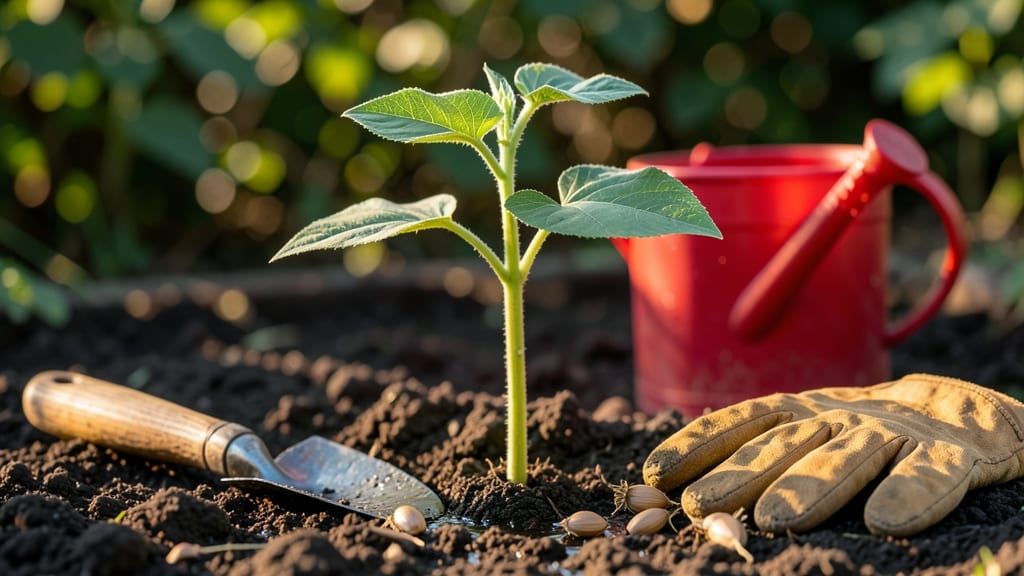
Planting sunflowers in Louisiana means timing your seeds for the 210-270 frost-free days between mid-March and late November — a window that rewards you with 10-foot-tall blooms if you nail it.
Here’s the catch: Louisiana’s unpredictable spring weather can turn your sunflower dreams into a gamble if you plant too early. One late frost, and those tender seedlings won’t survive.
But get the timing right, and you’ll enjoy sunflowers 🌻 from June through November — or even a second harvest in fall if you plant in August.
This guide breaks down the exact frost-free deadlines for your region, the heat-tolerant varieties that thrive in 90°F+ summers, and how to prep your soil for Louisiana’s heavy clay or sandy loam.
No more guessing — just sunflowers that grow tall and strong, no matter where you are in the state.
You’ll also learn the 3-step soil prep that prevents rot in humid climates, when to fertilize for maximum height, and which varieties resist Louisiana’s biggest pests. Ready to turn your yard into a sunflower haven?
Louisiana sunflower planting calendar: frost dates & heat-tolerant varieties
Timing your sunflower planting in Louisiana is all about avoiding late frosts and leveraging the state's 210-270 frost-free days. The last frost typically hits mid-March in northern regions like Shreveport (USDA Zone 8a) and late March in southern areas like New Orleans (USDA Zone 9b).
This creates a 6-week window difference for your planting schedule!
Most Louisiana gardeners focus on two planting windows: early spring (just before last frost) and late summer (August). The late summer window is especially valuable for heat-tolerant varieties that can handle Louisiana's 90°F+ temperatures without bolting prematurely.
This dual approach maximizes your chances of towering blooms and bountiful seed heads.
Here's where things get tricky: New Orleans gardeners can start seeds indoors as early as February for transplanting, while Shreveport gardeners should wait until late March to avoid frost damage. The key is matching your variety selection to your local microclimate—more on that below!
For early spring planting, I recommend starting with 'Autumn Beauty'—its vibrant bi-color blooms (red and yellow) make it a showstopper. This variety handles Louisiana's humidity well and produces edible seeds perfect for bird feeders or roasting.
Plant seeds 1 inch deep and 6 inches apart in well-draining soil to prevent rot in our heavy clay areas.
The late summer window (August) is my secret weapon for avoiding pests like sunflower moths that plague early plantings. 'ProCut', a heat-tolerant variety, is my go-to for this timing—it matures in just 50 days and produces dense seed heads ideal for cutting.
This variety thrives in 95°F+ temperatures without bolting, making it perfect for Louisiana's peak summer heat.
If you're gardening in New Orleans' USDA Zone 9b, you can push the envelope with 'Russian Giant'—this variety can reach 12-15 feet tall when given proper support. However, I've found that staking is essential in our humid winds, which can topple these giants.
For container gardening, 'Teddy Bear' is my top pick—it stays under 3 feet tall and produces cheerful yellow blooms perfect for balconies.
One common mistake Louisiana gardeners make is planting too early in hopes of longer growing seasons. While this might work in Zone 9b, Zone 8a gardeners risk frost damage to young seedlings.
Always check your local frost dates and adjust your schedule accordingly. For Shreveport gardeners, I recommend waiting until after April 15th to plant outdoors.
For heat-tolerant varieties, look for labels mentioning "bolting resistance" or "high-temperature tolerance". My top three picks are 'Heatwave' (orange blooms), 'Sunspot' (yellow with red centers), and 'Soraya' (deep red). These varieties can handle Louisiana's summer heat waves without sacrificing bloom quality or seed production.
Remember that soil temperature matters just as much as air
Step-by-step sunflower planting guide for Louisiana’s climate
Louisiana’s heavy clay and sandy soils demand special prep to grow sunflowers that reach their full potential. Whether you’re planting in early spring or late summer, the key is loosening compacted soil and improving drainage to prevent rot in our humid climate.
I’ve planted sunflowers in both New Orleans’ clay and Shreveport’s sandy loam, and the difference in growth is night-and-day with proper prep.
Direct sowing is the easiest method for Louisiana gardeners, but if you’re starting indoors, transplant seedlings after the last frost date (mid-March for most regions).
The 60-90 day varieties like ‘Moulin Rouge’ or ‘Autumn Beauty’ thrive in our heat, but timing is everything to avoid sunflower moths and squirrel damage that peak in late summer.
- 📅 Choose your planting window:
- 🌱 Spring: Late February to early April (after last frost)
- 🌻 Summer: Late July to early August (for fall blooms)
- 🏡 Prep your soil:
- 🪴 Clay soil: Mix in 2-3 inches of compost + coarse sand
- 🏜️ Sandy soil: Add 2 inches of organic matter (peat moss)
- 🌱 Direct sow seeds:
- 📏 Plant 1 inch deep, 6 inches apart (12 inches for giant varieties)
- 💧 Water lightly after planting to settle soil
- ☀️ Ensure full sun:
- 🌡️ Minimum 6 hours daily; Louisiana’s summer sun is perfect
- 📍 South-facing spots get maximum heat tolerance
- 💧 Watering schedule:
- 🌧️ 1-2 inches weekly (deep watering at soil level)
- 🕒 Morning watering prevents fungal diseases in humidity
- 🛡️ Pest prevention:
- 🐿️ Squirrel-proof with wire cages for seed heads
- 🐛 Use neem oil for sunflower moth larvae
After planting, monitor your sunflowers for yellowing leaves, which can signal overwatering in Louisiana’s heavy soils. I’ve found that mulching with straw keeps roots cool and retains moisture during our 90°F+ summers.
For maximum height, fertilize with a 10-10-10 balanced mix every 6 weeks, but skip fertilizing in fall to let plants mature seeds properly.
Louisiana’s humidity and pests make sunflowers a challenge, but with this step-by-step approach, you’ll grow plants that reach 10+ feet tall and produce heavy seed heads.
The key is acting quickly after germination—sunflowers grow 2-3 inches per day in ideal conditions, so stay ahead of weeds and pests to ensure those towering blooms make it to maturity.
Pro tip: Save seeds from your healthiest plants for next year’s August planting. Louisiana’s mild fall extends the growing season, and homegrown seeds adapt perfectly to your local climate. With these steps, you’ll enjoy sunflowers 🌻 from June through November—no frost worries in sight!