
Flowers
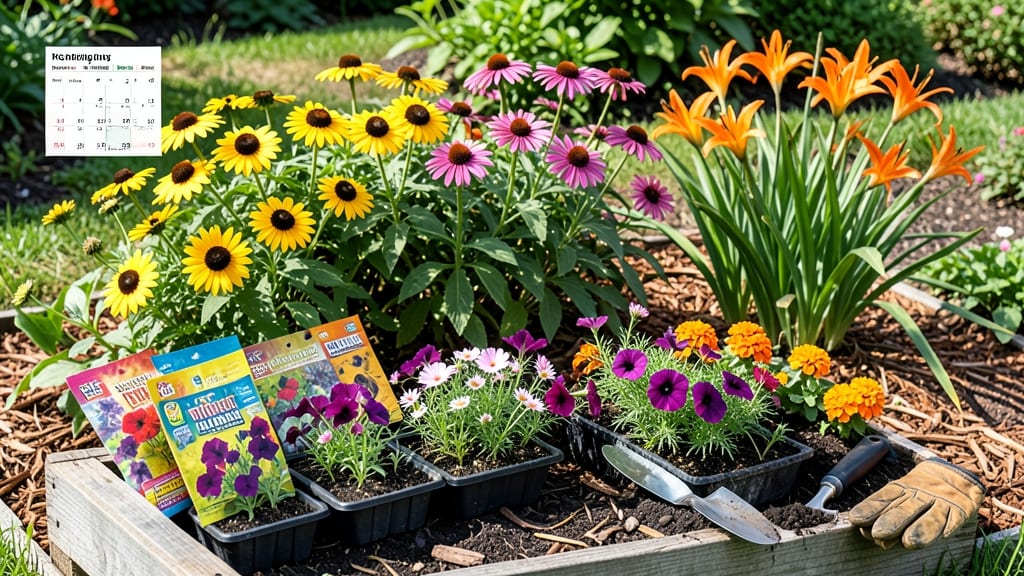
To plant flowers in North Carolina, aim for late March to early May in most zones, when soil warms and frost risk fades 🌱 — but coastal areas can start weeks earlier.
North Carolina’s diverse climate—from the mountains to the coast—means planting flowers at the wrong time can mean wasted seeds and wilted dreams. But timing it right guarantees vibrant blooms all season long.
Whether you’re in the Piedmont’s Zone 7b or the coast’s Zone 8a, knowing your exact frost-free date is the key to avoiding early freezes or scorching summer heat.
Below, I’ll break down the best months for annuals and perennials by region, plus pro tips to extend your blooming season without risking frost damage.
NC planting zones explained: when frost risk drops to zero
North Carolina spans 8 USDA planting zones (5b to 8a), creating dramatic differences in frost timing. The coastal plain (zones 8a) enjoys zero frost risk by February, while mountain regions (zones 5b-6b) may wait until mid-May.
Understanding these zones helps you plant flowers at the perfect moment for vigorous growth and continuous blooms.
For annual flowers, timing matters most—plant too early, and frost will kill tender seedlings. For perennials, early planting gives roots time to establish before summer heat. The last frost date varies by 100+ days across NC, making zone knowledge essential for success.
Here’s how NC’s zones break down with frost-free dates and ideal planting windows for flowers:
| Zone | Region | Last Frost (Avg.) | Zero Frost Risk | Best Planting Window |
|---|---|---|---|---|
| 5b | Mountains (High Country) | May 10–15 | June 1 | Late May–June (after frost) |
| 6a | Mountains (Asheville) | April 25–May 5 | May 20 | Early May–June |
| 6b | Piedmont (Raleigh) | April 10–20 | May 10 | Mid-April–May |
| 7a | Piedmont (Charlotte) | March 25–April 5 | April 20 | Late March–April |
| 7b | Coastal Plain (Fayetteville) | March 10–20 | April 10 | Early March–April |
| 8a | Coastal (Wilmington) | February 15–March 5 | March 15 | Late February–March |
| 8b | Outer Banks | January 20–February 5 | February 10 | January–February |
In zone 8a (coastal), you can plant tender annuals like marigolds and petunias as early as February. Meanwhile, mountain gardeners (zones 5b-6a) should wait until late May to avoid frost damage. Perenn
Best flowers to plant by month in North Carolina
North Carolina’s monthly planting calendar shifts dramatically from cool-season blooms to heat-loving varieties. The key is matching your USDA zone with the right timing—coastal Zone 8a gardeners can start earlier than mountain Zone 6b growers.
For annual flowers, aim to plant after the last frost date (typically mid-March to early May), while perennials often thrive when planted in fall or early spring. Let’s break it down month by month to maximize your blooms.
- 🌱 February-March (Cool-Season): Plant pansies, snapdragons, and sweet peas—they tolerate light frosts and thrive in 50-60°F soil. Coastal areas can start 3-4 weeks earlier.
- ☀️ April-May (Spring Transition): Time for petunias, zinnias, and marigolds. Wait until soil reaches 60°F+ and nighttime temps stay above 45°F to avoid frost damage.
- 🌞 June-July (Heat-Lovers): Plant sunflowers, lantana, and salvia—these thrive in 80°F+ soil and full sun. Mountain zones may need afternoon shade to prevent wilting.
- 🍂 August-September (Fall Bloomers): Cosmos, asters, and chrysanthemums love cooler temps. Plant 6-8 weeks before first frost (varies by zone) for autumn color.
- 🌿 October-November (Perennials): Plant lavender, coneflowers, and daylilies in well-draining soil. Roots establish before winter, ensuring spring blooms.
Pro tip: Use NC State Extension’s frost maps to pinpoint your exact last-frost date. For example, Asheville (Zone 7a) averages April 15, while Wilmington (Zone 8a) often hits March 1.
Adjust for microclimates—valleys stay cooler longer, while south-facing slopes warm up faster. Succession planting every 2-3 weeks ensures continuous blooms, especially for annuals like zinnias.
Remember: Soil temperature matters more than air temperature. Use a soil thermometer to confirm 60°F+ before planting heat-lovers like sunflowers—they’ll bolt if stressed by cold soil.