
Flowers
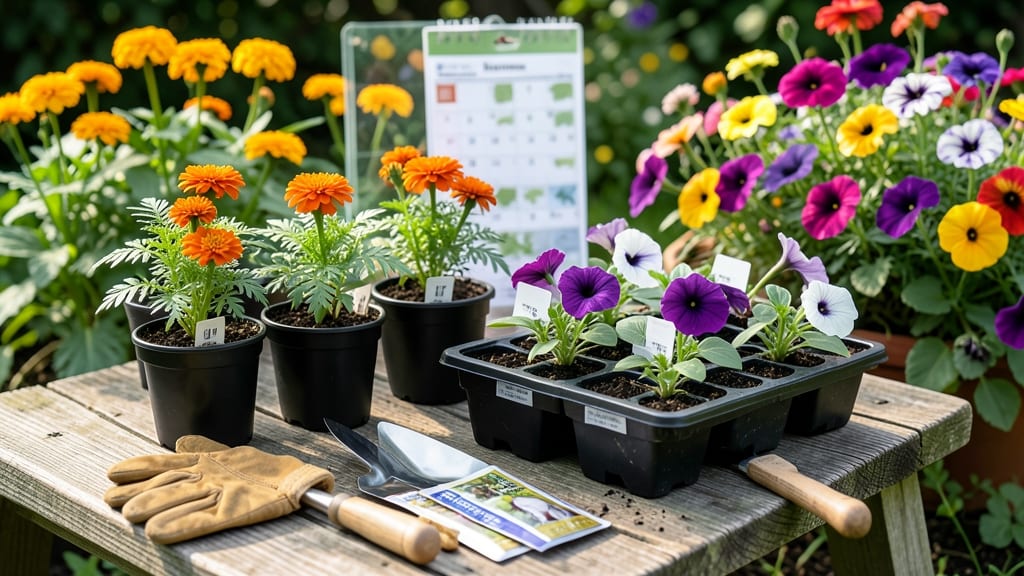
You can start planting flowers as soon as the soil warms to 60°F and the last frost has passed in your area — usually late April to early May in most regions.
Timing is everything in gardening—plant flowers too early, and frost will wipe them out; too late, and you’ll miss the full bloom season. Knowing your region’s last-frost date is the secret to vibrant, long-lasting blooms that steal the show.
Whether you’re growing annuals like marigolds or perennials like lavender, the right window makes all the difference. In USDA Zone 6a, for example, early bloomers like pansies can go in as soon as the ground thaws, while heat-lovers like zinnias wait until late May.
Below, I’ll break down exactly when to plant by region, flower type, and even how to adjust for unexpected frosts or early heat. Ready to turn your garden into a season-long showstopper?


How to find your last-frost date by region for flower planting
Timing is everything when planting flowers—get it wrong, and you risk frost damage or missed blooms. The last-frost date marks the safe window to plant frost-sensitive flowers outdoors, but this date varies dramatically by USDA hardiness zone.
For example, in Zone 5, last frost typically hits around May 15, while Zone 10 gardeners may plant year-round. Let’s break down how to find your region’s date and adjust for local microclimates.
Start by locating your USDA hardiness zone using the interactive map on the USDA Agricultural Research Service website. Simply enter your ZIP code to reveal your zone (e.g., Zone 6a or Zone 8b).
This zone determines your average last-frost date, but remember: actual frost dates can shift 2-3 weeks earlier or later based on weather patterns. For instance, Zone 7 averages a last frost of April 15, but coastal areas may see frost-free conditions by March 20.
Next, consult your local Cooperative Extension Service for historical frost data. Many state extensions publish 10-year frost averages, which account for climate trends. For example, Texas gardeners in Zone 8b might use a January 31 last-frost date, while Florida’s Zone 9a rarely sees frost at all.
Bookmark these resources for quick reference each planting season.
Here’s a summary table of average last-frost dates by major US regions, along with ideal planting windows for annuals vs. perennials:
Adjust your planting timeline based on microclimates—areas near lakes or valleys may frost 1-2 weeks later than surrounding regions. For example, a south-facing slope warms faster, allowing you to plant marigolds or zinnias 2 weeks earlier than the average last-frost date.
Conversely, low-lying areas often frost later, so wait until mid-May in Zone 5 for heat-loving annuals.
Use frost cloth or row covers to extend your planting window by 2-4 weeks in colder zones. For instance, in Zone 4, you can plant pansies or snapdragons as early as April 1 under protection, even if the average last frost is May 10.
Always monitor local weather forecasts—a late frost in April can still threaten tender seedlings.
For perennials, timing matters less but still matters: plant bare-root perennials (like lavender or coneflowers) in early spring as soon as the soil is workable. In Zone 7, this is typically March 15, while Zone 9 gardeners can
Best flowers to plant by early, mid, and late season starting times
Timing your flower planting is like conducting an orchestra—get it wrong, and the whole performance falls flat. Some blooms thrive when planted early, while others need the warmth of late spring to take off.
The key is matching your flower types with the right seasonal windows for your region. I’ve broken it down into three simple categories: early-season cool lovers, mid-season workhorses, and late-season heat seekers.
For frost-tolerant flowers, start seeds indoors 6-8 weeks before your last frost date, or sow directly in early spring. These hardy plants like pansies and snapdragons can handle light frosts and even bloom in cooler weather.
Meanwhile, heat-loving annuals like marigolds and zinnias should wait until soil temperatures hit at least 60°F—usually mid to late spring in most zones.
- 📅 Early Season (Cool Lovers): Start pansies and snapdragons indoors 6-8 weeks before last frost or sow directly in March-April.
- 🌿 Mid Season (Workhorses): Plant petunias and geraniums after last frost (typically April-May) for summer-long color.
- ☀️ Late Season (Heat Seekers): Wait until May-June for marigolds and zinnias—soil must be 60°F+.
- 🌳 Perennials: Divide lavender and coneflowers in early spring or fall for best root establishment.
- ⏰ Seed-Starting Deadlines: Most annuals need 4-6 weeks indoors before transplanting outdoors.
Don’t forget about perennials like lavender and coneflowers, which establish roots best when planted in early spring or fall. These tough beauties reward patience with years of blooms, but they need time to settle in before summer’s heat arrives.
If you’re in a warmer climate (zones 8-10), you can extend your planting window—some flowers like cosmos and sunflowers even tolerate light frosts once established.
For container gardening, adjust your timing slightly—potted plants warm up faster and can often be planted 1-2 weeks earlier than in-ground varieties. Just make sure your containers have drainage holes to prevent root rot from overwatering.
I’ve also found that using row covers can push early plantings 2-3 weeks earlier in cooler climates by protecting young plants from late frosts.
Pro tip: Check your local extension service for hyper-local advice—microclimates (like urban heat islands or valley bottoms) can shift planting windows by weeks. And always monitor your soil temperature with a simple soil thermometer—it’s the ultimate tiebreaker when deciding if conditions are just right for planting.
By aligning your flower choices with these seasonal cues, you’ll enjoy a garden that blooms continuously from spring through fall. The secret? Start early with cool-season favorites, fill mid-season gaps with versatile annuals, and save heat lovers for late spring. Your garden’s performance will thank you!