
Flowers
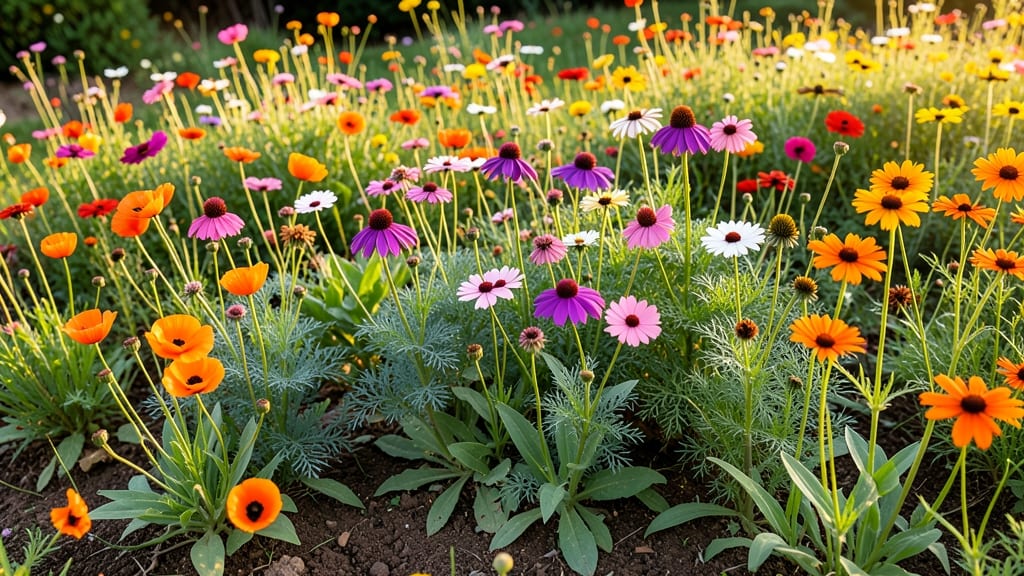
Wildflowers can be annuals or perennials, and the choice you make completely changes how your garden looks year after year.
Picture this: you plant a vibrant mix of 🌼 wildflowers in spring, only to watch them fade by summer—unless you know which types return. Annuals like cosmos burst with color but vanish after one season, while perennials like black-eyed Susans come back stronger every year.
The difference isn’t just about timing; it’s about strategy.
If you’re dreaming of a garden that thrives with minimal effort, understanding these life cycles is your secret weapon. Annuals bring instant color and pollinator buzz, while perennials deliver long-term beauty with almost no upkeep. The best part? Mixing both gives you blooms from spring to fall without the guesswork.
In this guide, I’ll break down the key differences, share my favorite easy-to-grow picks, and show you how to combine them for a garden that keeps giving—no matter what the season brings.
Wildflower life cycles explained: annual vs perennial differences
When planning your wildflower garden, one of the first decisions you'll face is whether to plant annuals or perennials.
These two categories have completely different life cycles that will impact your garden's appearance and maintenance needs. Annual wildflowers complete their entire life cycle—from seed to flower to seed—within a single growing season, while perennial wildflowers return year after year, often growing stronger with each passing season.
The choice between these two isn't just about aesthetics—it's about understanding how each type contributes to your garden's ecosystem, color palette, and long-term care. For example, cosmos, a popular annual wildflower, will burst into vibrant blooms all summer but disappear by fall.
Meanwhile, black-eyed Susan, a classic perennial, might take a year to establish but will reward you with cheerful yellow flowers for decades with minimal effort.
One key difference lies in how these wildflowers produce seeds. Annual wildflowers like zinnias and marigolds focus their energy on rapid growth and seed production within a single season. This means they'll often self-seed prolifically, potentially returning next year without your intervention.
In contrast, perennial wildflowers like bee balm or purple coneflower invest energy into building robust root systems, which allows them to survive winter and bloom again the following year.
The timing of blooms also varies significantly. Annual wildflowers typically provide a short but intense display of color during their peak season, often from early summer to frost. Perennials, however, offer a more staggered blooming pattern, sometimes starting in early summer and continuing well into fall.
This makes perennials ideal if you want continuous color throughout the growing season without replanting every year.
For gardeners in dry climates, understanding these differences is crucial. Many annual wildflowers like lupine or poppies thrive in arid conditions but may not return reliably.
Meanwhile, perennial wildflowers such as yarrow or blanket flower have deep roots that make them exceptionally drought-tolerant once established, requiring far less water once they're settled in.
Another consideration is how these wildflowers interact with your garden's ecosystem. Annual wildflowers often attract pollinators like bees and butterflies during their brief blooming window, while perennials provide a longer food source.
If your goal is to support local wildlife, including a mix of both types can create a continuous buffet from spring through fall.
Let's talk about maintenance—because let's be honest, we all want the easiest garden possible. Annual wildflowers win in the short term: plant once, enjoy a season of blooms, then let nature take its course. Perennials, however, offer long-term rewards with minimal upkeep after the first year.
They may require some patience during their establishment phase, but once they're settled, they'll often spread naturally and fill in gaps over
How to choose wildflowers based on your garden goals
Choosing the right wildflowers starts with matching their life cycles to your garden's needs. Whether you want year-round color, pollinator support, or drought-resistant beauty, the difference between annuals and perennials will shape your entire planting strategy.
Let's break down how to align your goals with the perfect wildflower mix.
Annual wildflowers like cosmos and sunflowers deliver instant gratification with bold blooms that fade after one season. Perennials such as coneflowers and black-eyed Susans return year after year, building a self-sustaining garden that requires less replanting.
The key is understanding which life cycle fits your garden's purpose and your willingness to maintain it.
For a wild meadow, perennials dominate because they establish deep roots and spread naturally. In containers, annuals often win for their compact growth and vibrant seasonal displays. Borders benefit from a mix of both—annuals for instant color and perennials for long-term structure.
Your climate zone also plays a role, as some annuals thrive in cooler regions while perennials dominate in hotter areas.
- 🌱 For Seasonal Color: Plant annuals like zinnia or marigold for summer-long blooms. Replace them yearly for fresh displays.
- 🐝 For Pollinators: Choose perennials like bee balm or milkweed—they return every year and support bees, butterflies, and hummingbirds.
- 💧 For Drought Resistance: Opt for perennial wildflowers like yarrow or purple coneflower. Once established, they thrive with minimal water.
- 🌿 For Low Maintenance: Mix perennials (e.g., goldenrod) with self-seeding annuals (e.g., lupine) to create a self-sustaining garden.
- 🌸 For Containers: Use annuals like pansies or nasturtiums for vibrant, seasonal color. Replace them yearly for fresh looks.
If you're in USDA Zone 5-7, focus on perennials like blazing star and coreopsis for reliable blooms. In Zones 8-10, annuals like poppies and calendula thrive year-round with minimal care. Always check your local climate—some perennials in cooler zones may act like annuals in warmer areas.
For a wildflower border, pair annuals (e.g., sunflowers) with perennials (e.g., shasta daisies) to extend your blooming season. Start with annuals for instant color, then let perennials fill in over time. This approach ensures your garden stays vibrant from spring to fall without constant replanting.
Remember, the best gardens combine both types. Annuals bring seasonal variety and pollinator buzz, while perennials provide structure and long-term beauty. Start small, observe what thrives in your space, and adjust your mix each year for a garden that keeps evolving—and always blooming.