
Flowers
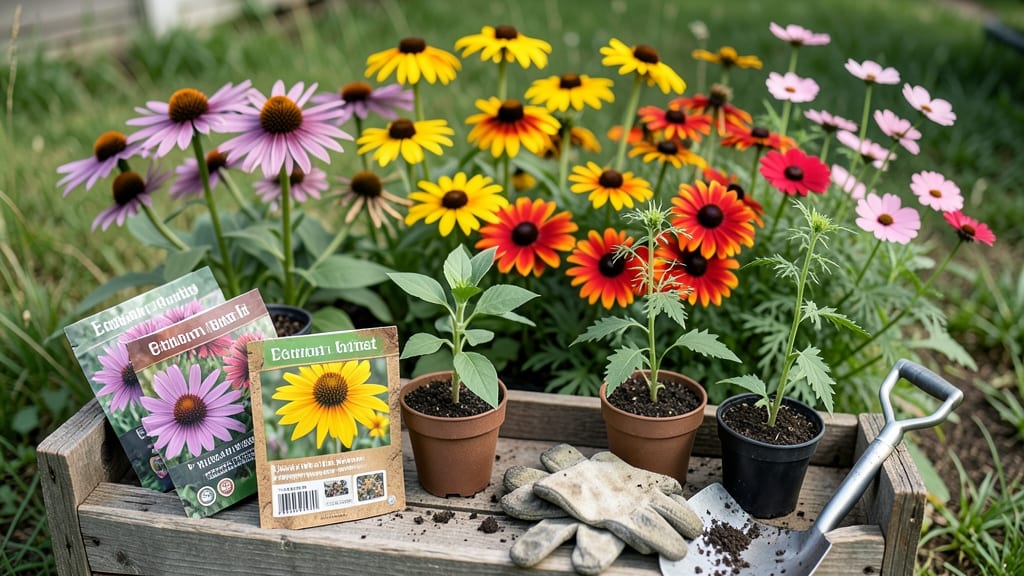
Planting flower seeds in Kansas at the right time ensures vibrant blooms all season long, especially in USDA Zones 5b-7a where frost dates can shift unexpectedly.
Picture this: you’ve prepped your soil, chosen your favorite 🌸 varieties, and then—BAM—a late frost wipes out your seedlings overnight. That’s why timing is everything in Kansas, where average last frosts hover around April 15 but can creep into May.
Spring and fall are your two best windows—late March through mid-May for cool-season flowers and August through early September for warm-season varieties—but even then, regional differences matter. Kansas City’s frost dates differ from Wichita’s, and a misstep could mean waiting another year for those dreamy sunflowers.
Below, I’ll break down the exact months to plant by flower type, how to adjust for unpredictable weather, and which top 10 Kansas-friendly blooms thrive with minimal fuss. No more guesswork—just a garden that pops.
Kansas flower seed planting schedule by month: frost dates & best times
Kansas gardeners know timing is everything when planting flower seeds—especially in USDA Zone 6b, where frost dates can vary by weeks between Kansas City and Topeka.
The key to a thriving garden lies in understanding cool-season vs. warm-season flowers and aligning planting with your region's average last frost date. Whether you're sowing marigolds for summer color or pansies for early spring blooms, this schedule keeps your flowers on track.
I’ve broken down planting by month, including regional frost averages for Kansas City (Zone 6a), Wichita (Zone 7a), and Topeka (Zone 6b). Use these as guidelines, but always check your local extended forecast—late frosts in April can still catch gardeners off guard.
For example, cosmos and zinnias thrive when planted after the last frost, while calendulas tolerate cooler soil and can go in earlier.
| Month | Kansas City (Zone 6a) | Wichita (Zone 7a) | Topeka (Zone 6b) | Best Flowers to Plant |
|---|---|---|---|---|
| March | Start indoors or under row covers | Start indoors 6-8 weeks before last frost | Start indoors for late April planting | Pansies, Snapdragons, Sweet Alyssum |
| April | Last frost: April 15 (plant after) | Last frost: April 1 (plant after) | Last frost: April 20 (plant after) | Marigolds, Sunflowers, Zinnias, Cosmos |
| May | Direct sow warm-season flowers | Direct sow warm-season flowers | Direct sow warm-season flowers | Lantana, Petunias, Black-Eyed Susans |
| June | Succession plant fast-growing annuals | Succession plant fast-growing annuals | Succession plant fast-growing annuals | Basil Flowers, Celosia, Portulaca |
| July | Plant fall-blooming perennials | Plant fall-blooming perennials | Plant fall-blooming perennials | Coneflowers, Black-Eyed Susans, Sedum |
| August | Start cool-season flowers indoors | Direct sow cool-season flowers after August 15 | Direct sow cool-season flowers after August 20 | Calendulas, Stock, Sweet Peas |
| September | First frost: October 15 (plant before) | First frost: October 30 (plant before) | First frost: October 20 (plant before) | Pansies, Sweet Alyssum, Dianthus |
For cool-season flowers like pansies and snapdragons, I recommend starting seeds indoors in March or sowing directly in early April after the soil warms to at least 50°F. These flowers handle light frosts and even bloom in cooler weather, making them perfect for Kansas’ unpredictable springs.
In contrast, warm-season flowers such as zinnias and cosmos need to wait until the soil is consistently above 60°F, which typically aligns with mid-to-late April in most regions.
If you’re in Wichita (Zone 7a), you’ve got a slightly longer growing season, so you can push your fall planting into early September. However, Topeka gardeners should aim to finish sowing cool-season seeds by mid-September to avoid early frosts cutting their bloom time short.
Pro tip: Use row covers or cold frames to extend your fall season by 2-3 weeks—this is how I’ve managed to keep calendulas blooming until Thanksgiving!
Don’t overlook succession planting in June and July. Fast-growing annuals like portulaca and celosia can be sown every 2-3 weeks to ensure continuous blooms through summer. This
Top 10 flowers to plant in Kansas by season: hardiness & bloom time
Choosing the right flowers for Kansas' USDA Zone 6b means balancing bloom time, sunlight needs, and seasonal hardiness. I’ve curated this list of low-maintenance annuals and perennials that thrive in our climate, from spring bulbs to fall-blooming favorites. These picks ensure year-round color with minimal fuss.
For spring planting, focus on cool-season flowers like pansies and snapdragons, which tolerate light frosts. Summer lovers? Black-eyed Susans and coneflowers dominate with drought tolerance. Fall brings asters and mums, while perennials like daylilies reward you with multi-year blooms.
Here’s how these top 10 rank for Kansas gardeners—prioritizing bloom duration, pest resistance, and adaptability to our variable weather.
Black-eyed Susans (Rudbeckia hirta) top the list for their golden-yellow blooms that last from July to October. Plant seeds in early spring (March-April) or fall (September) for full sun spots. Their drought tolerance makes them perfect for Kansas’ hot summers.
Coneflowers (Echinacea purpurea) follow closely, offering purple-pink blooms from June to September. These perennials thrive in partial shade and attract pollinators. Sow seeds in late spring (May) or early fall (August) for minimal care.
For spring color, Pansies (Viola × wittrockiana) bloom from March to May and tolerate light frosts. Plant seeds in late summer (August) for fall-winter blooms, or start indoors in February. Their compact size (6–12 inches) makes them ideal for container gardens.
Daylilies (Hemerocallis) are Kansas’ hardiest perennials, blooming from June to August with zero maintenance. Divide clumps in early spring or fall for instant color. Their tough roots survive drought and heat, making them a must-have.
Don’t overlook Marigolds (Tagetes) for summer-long blooms (June-September). These annuals repel pests and thrive in full sun. Plant seeds in late spring (May) after the last frost for quick results.
For fall interest, Astors (Symphyotrichum) bloom from August to October in purples, whites, and blues. Plant seeds in early spring or fall for well-drained soil. Their late-season blooms extend color when other flowers fade.
Pro tip: Pair perennials like coneflowers with annuals like marigolds for continuous blooms. Mulch around bases in fall to protect roots from winter freezes.