
Flowers
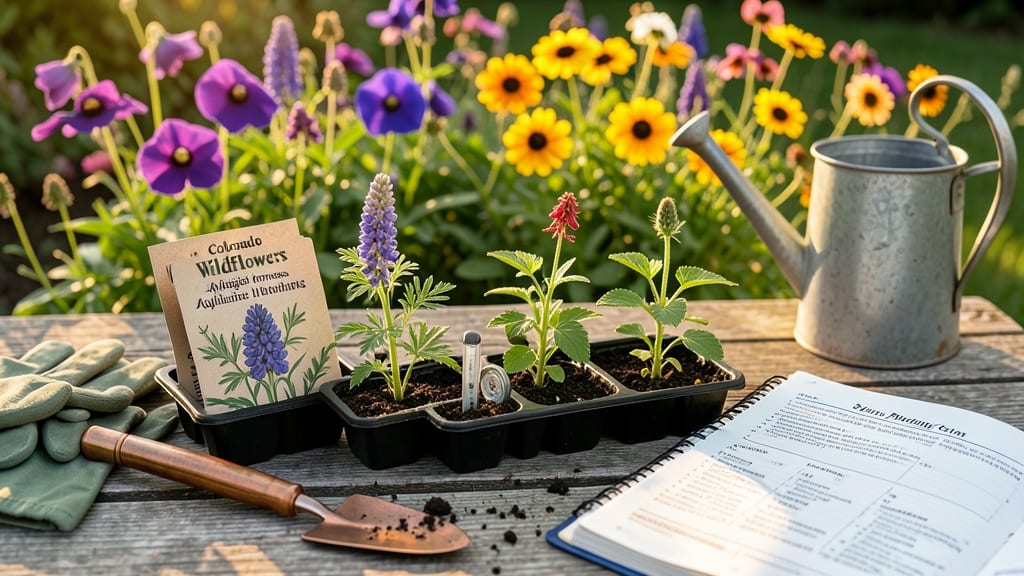
Planting flower seeds in Colorado at the right time means the difference between vibrant blooms and a sad, stunted garden—because altitude and frost dates rewrite the rules.
Colorado’s diverse elevation zones create unique planting challenges—getting flower seeds in the ground at the wrong time can mean wasted effort or stunted growth. Timing isn’t just about the calendar; it’s about altitude, microclimates, and last-frost dates that shift dramatically from Denver to the mountains.
For example, Denver’s 5,000-foot elevation gives you a longer spring window than the 8,000-foot Front Range, where cold snaps linger into May. Meanwhile, the Western Slope’s lower elevations might see frost-free soil as early as late March, while mountain gardens could wait until June.
In this guide, you’ll find exact planting windows by elevation zone, soil prep secrets for Colorado’s rocky terrain, and a list of the hardiest flowers that thrive when you time it right—no guesswork, just blooms.
Colorado’s frost-free dates by elevation zone: critical planting windows
Colorado’s elevation changes create three distinct planting zones, each with its own last frost dates and hardiness zone considerations. Understanding these windows is key to avoiding frost damage while maximizing your flowers' potential.
Whether you're in the Front Range lowlands or the Rocky Mountain foothills, timing matters more than you might think.
For lowland areas (3,000–5,000 ft), like Denver or Colorado Springs, the average last frost typically falls between April 15 and May 1. This zone includes USDA Hardiness Zones 5b–7a, meaning you can safely plant tender annuals like marigolds and petunias after this date.
However, high-elevation microclimates within this range may experience later frosts.
In the foothills (5,000–7,000 ft), such as Boulder or Fort Collins, last frosts arrive later—usually between May 15 and June 1. These areas fall into Zones 5a–6b, allowing for earlier planting of cold-hardy flowers like snapdragons and sweet peas.
The delay gives you a narrower window for warm-season varieties.
High mountain regions (7,000+ ft) in places like Aspen or Leadville face the latest frosts, often June 15 or later, with Zone 4–5a conditions.
Here, only the most frost-resistant annuals (e.g., calendula, pansies) should be direct-sown before late May. Most seeds must wait until soil warms or be started indoors.
| Elevation Zone | Last Frost Date | Hardiness Zone | Cold-Hardy Flowers | Tender Flowers |
|---|---|---|---|---|
| Lowlands (3,000–5,000 ft) | April 15–May 1 | 5b–7a | Sweet peas, snapdragons | Petunias, marigolds |
| Foothills (5,000–7,000 ft) | May 15–June 1 | 5a–6b | Calendula, pansies | Zinnias, cosmos |
| High Mountains (7,000+ ft) | June 15+ | 4–5a | Columbine, sweet william | Geraniums, impatiens |
For annual flowers, aim to plant seeds 2–4 weeks before your zone’s last frost date. Perennials, like columbine, can handle earlier sowing in Zone 5+, but tender varieties need to wait until after the danger of frost has passed.
Always check your local Almanac frost dates for precise timing—Colorado’s weather can vary by 10+ days from year to year.
If you’re growing heat-loving flowers like sunflowers or zinnias, wait until two weeks after your last frost date. These plants thrive in warm soil (above 55°F) and will bolt or struggle if planted too early. For high-altitude gardens, consider using row covers to extend the season for delicate varieties.
Fall planting is also possible in Colorado, especially in Zone 6+. Sow cool-season flowers like sweet peas or violas 6–8 weeks before your first expected frost (typically October 15–November 1 in lowlands). This strategy gives you early spring blooms without summer competition.
Pro tip: Use biodegradable seed starters for high-elevation zones to jumpstart growth. These mini greenhouses protect young seedlings from late spring frosts and strong mountain winds, giving them a head start. Always monitor your garden’s microclimate—south-facing slopes warm faster than shaded areas.
For container gardening in urban Denver or mountain towns, adjust planting dates by 1–2 weeks earlier than in-ground gardens. Containers heat up faster and can be moved to protected spots during unexpected cold snaps. This flexibility is especially useful for tender perennials like geraniums.
Remember, Colorado’s elevation gradients mean your neighbor’s garden might have a 2-week advantage over yours. When in doubt, start seeds indoors 4–6 weeks before your last frost date. This method ensures you’re ready to transplant hardened-off seedlings at the perfect moment—when both soil and air temperatures align.
How to adjust planting for Colorado’s microclimates and soil conditions
Colorado’s urban heat islands (like Denver) and high-altitude winds (Front Range) demand different planting strategies. My Denver balcony garden thrives with heat-tolerant petunias, while my friend’s mountain garden struggles with rocky, fast-draining soil. The key? Adjusting for your microclimate and soil type before planting a single seed.
Start by testing your soil’s drainage and pH. Colorado’s clay-heavy soils (common in eastern plains) need compost or sand, while sandy loam (Western Slope) benefits from organic matter.
I use a simple jar test: Fill a jar with soil, water, and shake—if water clears in 30 seconds, it drains too fast; if it’s muddy after 24 hours, it’s too dense.
- 🌡️ Urban Heat Islands (Denver): Plant heat-loving flowers like zinnia or lantana in late May after soil temps hit 60°F. Use light-colored mulch to reflect heat.
- 🌬️ Wind-Exposed Areas (Front Range): Choose compact varieties (e.g., dwarf snapdragons) and plant near windbreaks like evergreen shrubs or fences.
- 🪨 Rocky Mountain Gardens: Amend soil with 1/3 compost and 1/3 coconut coir to improve water retention. Use container gardening for delicate flowers.
- 🌱 Container Hacks: Fill pots with 50% potting mix and 50% perlite for high-altitude balconies. Water daily in summer to prevent drying.
- ☀️ Mulching Strategy: Apply 3-inch mulch layer (straw or wood chips) to retain moisture and regulate soil temp. Replenish annually.
For container gardening in high-altitude areas, I swear by self-watering pots with wicking fabric. These keep roots moist without overwatering—a lifesaver when Denver’s dry winds evaporate water faster than expected. Add a layer of hydrogel crystals to the soil mix for extra moisture retention during summer droughts.
If your garden faces frost pockets (common in mountain valleys), opt for cold-hardy flowers like pansies or calendula. Plant them 4–6 weeks before your average last frost date to give roots time to establish. I’ve had success with row covers for late-spring plantings in Zone 5 areas.
Don’t forget to monitor soil moisture closely in sandy soils—they dry out in hours. Use a moisture meter or the finger test: Stick your finger 1 inch deep; if it’s dry, water deeply. For clay soils, water slowly but frequently to avoid runoff.
With these adjustments, your Colorado garden will thrive despite the challenges. Start small, test your soil, and choose plants that match your microclimate—your blooms will thank you! 🌸