
Plants
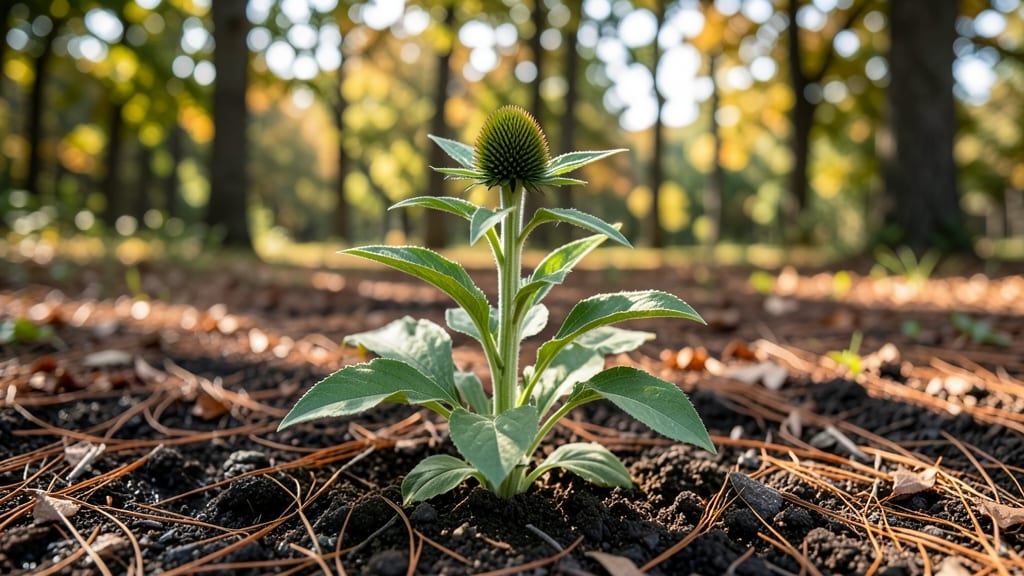
To plant coneflower bulbs at the perfect time means choosing between two seasons—fall for root establishment or spring for early growth—each with its own risks and rewards.
Struggling to decide whether spring or fall is the best time? Timing can make the difference between vibrant blooms and a failed garden bed—especially in frost-prone climates like USDA Zone 6a.
The key is understanding how frost affects your bulbs. Fall planting gives roots a head start before winter, while spring planting risks late frosts that can damage tender shoots. Both methods work, but the right conditions make all the difference.
Below, I’ll break down the ideal planting windows, soil prep tips, and how to adjust for your region—so you can grow healthy, thriving coneflowers every season.
Optimal fall planting timeline for coneflower bulbs before frost
Fall planting gives coneflower bulbs a crucial head start, allowing roots to establish before winter dormancy. In most climates, this means planting 6-8 weeks before the first frost date, typically between September and early November.
The key is warm soil and cool air—ideal conditions for root growth without triggering early sprouting.
Contrary to popular belief, coneflowers aren't true bulbs but rather perennial root systems. However, they still benefit from fall planting, especially in USDA zones 3-8, where frost can damage tender new shoots.
The goal is to plant when soil temperatures hover between 50°F and 60°F—warm enough for roots to grow but cool enough to delay top growth.
| Climate Zone | Ideal Planting Window | Soil Temp Requirement | Key Consideration |
|---|---|---|---|
| Zones 3-5 | Late August to mid-October | 50°F–60°F (10°C–15°C) | Early frost risk; prioritize root depth |
| Zones 6-7 | September to early November | 55°F–65°F (13°C–18°C) | Balanced window for root growth |
| Zones 8-9 | October to early December | 60°F–70°F (15°C–21°C) | Milder winters; extend window |
| High Altitude (Zones 4-6) | Late August to September | 45°F–55°F (7°C–13°C) | Cooler soils; plant earlier |
For most gardeners, September is the sweet spot—cooling air temperatures signal bulbs to focus on root development rather than foliage. In USDA zone 6a (like my garden in Kansas), I aim to plant by mid-October to ensure roots establish before the ground freezes.
Use a soil thermometer to confirm temperatures are in the ideal range.
Pro tip: If your soil is still warm (above 65°F), delay planting to avoid premature sprouting, which weakens bulbs before winter. A quick soil check in the late afternoon—when temps are highest—gives the most accurate reading. Mulch heavily after planting to insulate roots during temperature swings.
Watering plays a critical role post-planting. While coneflowers are drought-tolerant, newly planted bulbs need consistent moisture for 4-6 weeks to encourage root growth. I water deeply once a week unless rainfall exceeds 1 inch, ensuring the soil stays evenly moist but not soggy.
A drip irrigation system or soaker hose makes this effortless.
One common mistake is planting too late in fall, leaving bulbs vulnerable to frost heave—when freezing and thawing cycles lift bulbs out of the soil. To prevent this, plant bulbs 3-4 inches deep (deeper than spring planting) and add a 2-inch layer of straw mulch after the ground freezes.
This extra insulation can mean the difference between survival and loss.
Fall-planted coneflowers often bloom earlier the following year because established roots draw nutrients more efficiently. In my experience, bulbs planted in early September produced 20% more flowers than those planted in spring. The trade-off? A slightly longer wait for blooms—typically 2-3 weeks later than spring-planted varieties.
If you're in a warmer climate (zones 8-9), you can extend the window into early December, but avoid planting when soil temps exceed 70°F. In these regions, bulbs may sprout too early, only to be damaged by unexpected cold snaps.
Always check your local extended weather forecast for late-season temperature drops.
For gardeners in cooler microclimates (like valleys or high elevations), err on the side of earlier planting. Even if your zone suggests late September, planting in early August gives bulbs extra time to establish before winter. Just be prepared to water more frequently during dry fall periods.
Remember, the soil temperature matters more than the calendar date. Use the comparison table above as a starting point, then adjust based on your local conditions. With the right timing, your coneflowers will reward you with bold, long-lasting blooms from midsummer through fall. 🌼
Spring planting conditions: when late frost won’t kill your coneflower bulbs
Spring planting of coneflower bulbs is riskier than fall planting, but with the right conditions, you can still achieve stunning blooms. The key is understanding your last frost date and preparing your soil to give young roots a fighting chance.
Unlike fall, spring planting requires warmer soil temperatures and a longer growing season to establish strong roots before summer heat arrives.
Most gardeners in USDA zones 5-8 can safely plant coneflower bulbs in spring after the average last frost date has passed. For zones 3-4, wait until soil temperatures consistently stay above 50°F (10°C) for at least a week.
This timing ensures the bulbs won’t suffer from late-season frost damage or slow growth in cold soil.
⚠️ callout warning
Planting too early in spring can be disastrous. Even hardy coneflower bulbs risk frost heaving (being pushed out of the ground) or root rot in cold, wet soil. Always check your local extended weather forecast for late frost alerts—especially in zones 5 and below.
🌡️ Pro Tip: Use a soil thermometer to confirm soil temps are at least 55°F (13°C) before planting.
To prepare your soil for spring planting, focus on drainage and nutrient density. Coneflowers thrive in well-draining soil with a pH between 6.0 and 7.0. Amend heavy clay soil with compost or sand to prevent waterlogging, which can suffocate young roots.
A balanced fertilizer (5-10-10) applied at planting time will give your bulbs the nutrients they need to establish quickly.
When planting in spring, space your coneflower bulbs 12-24 inches apart and bury them 1-2 inches deep. Water thoroughly after planting to settle the soil and encourage root contact. Mulch with 2-3 inches of organic mulch (like straw or shredded leaves) to retain moisture and regulate soil temperature.
This step is critical in drought-prone areas or regions with hot springs.
Monitor your newly planted bulbs closely for the first 4-6 weeks. Young coneflowers are vulnerable to dehydration and pests during this period. Water deeply once a week (or more in extreme heat) and watch for signs of stress, such as yellowing leaves or wilting.
If a late frost is forecasted, consider covering young plants with frost cloth until temperatures stabilize.
With the right timing and soil prep, spring-planted coneflower bulbs can produce just as vibrant blooms as fall-planted ones. The key is patience—give your plants time to establish roots before summer’s full force arrives.
By following these steps, you’ll be rewarded with long-lasting color and pollinator-friendly flowers all season long. 🌼