
Planting
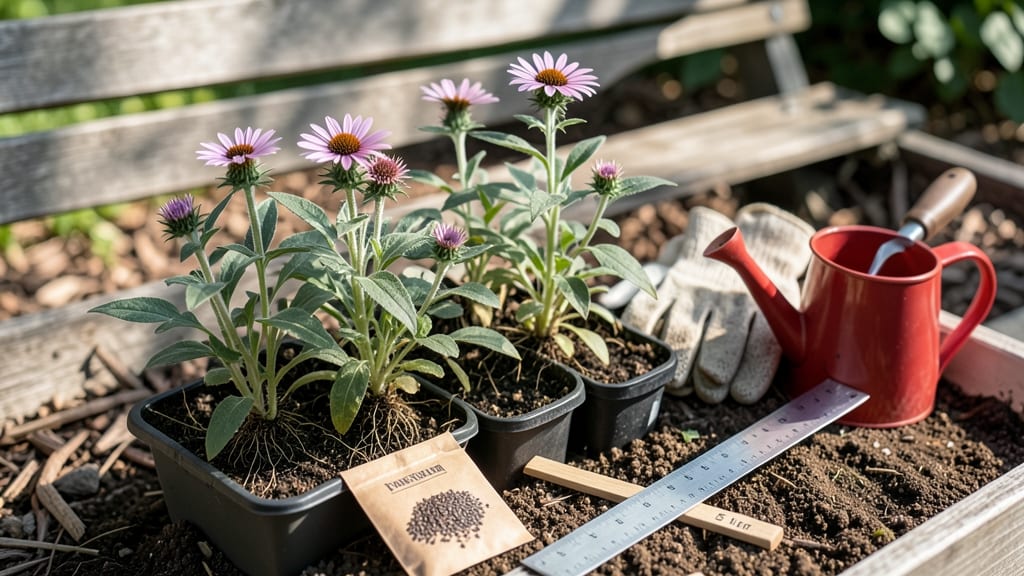
Planting coneflower seeds at ¼-inch deep is the key to unlocking their full potential—too shallow and they dry out, too deep and they suffocate.
Struggling to get your coneflower seeds to sprout? The secret often lies beneath the surface—literally. Planting them at the wrong depth can mean the difference between a thriving perennial garden and wasted effort.
This spring staple thrives when treated right from the start, and the depth you choose sets the stage for everything that follows.
Coneflower 🌼 seeds need just enough soil to shield them from harsh sunlight while keeping moisture close enough to encourage those first fragile sprouts. In Zone 6a, where many gardeners grow these hardy perennials, timing matters just as much as technique.
Plant too early, and a late frost can bury them deeper than intended; too late, and summer’s heat may dry out the soil before they even wake up.
Below, I’ll walk you through the exact steps for planting—from soil prep to spacing—and share the 3 most common mistakes that sabotage germination before it even begins.
By the end, you’ll know not just how deep to plant, but how to give your coneflowers the best shot at becoming the showstopper blooms they’re meant to be.


Optimal coneflower seed planting depth by seed type
Struggling to get your coneflower seeds to sprout? The secret often lies beneath the surface—literally. Planting them at the wrong depth can mean the difference between a thriving perennial garden and wasted effort. Echinacea seeds need precise conditions to germinate, and depth is one of the most critical factors.
Too shallow, and they dry out; too deep, and they suffocate. Let’s break down the science-backed planting depth for different seed types and soil conditions to ensure your coneflowers thrive from the start.
Most coneflower seeds are tiny and delicate, requiring careful handling. The general rule for direct sowing is to plant them at a depth equal to 2-3 times their diameter. For coneflowers, this typically translates to about 1/4 inch deep.
This shallow depth allows enough moisture and air circulation for germination while keeping the seed safe from drying out. However, this guideline can vary slightly based on whether you’re planting fresh seeds, aged seeds, or using seed cuttings.
Here’s a quick reference for optimal planting depths based on seed type and growing conditions:
For fresh coneflower seeds, a depth of 1/4 inch is ideal when planted in well-draining soil. This depth ensures the seed stays hydrated while allowing oxygen to reach the embryo. If your soil is clay-heavy, consider mixing in compost or sand to improve drainage.
In sandy soil, you might need to plant slightly deeper to retain moisture without suffocating the seed.
If you’re working with aged or stored seeds, they often require a shallower planting depth of 1/8 inch. These seeds may have undergone stratification, a cold treatment that mimics winter conditions and breaks dormancy.
Planting them too deep can delay or prevent germination entirely. Always check the seed packet for specific instructions, as some varieties may have unique requirements.
When planting coneflower cuttings or transplants, the rules shift slightly. Cuttings need a slightly deeper planting depth of 1/2 inch to stabilize them in the soil. This is especially important if you’re using sandy soil, which can be loose and prone to washing away young plants.
For transplants, focus on covering the root ball with 1/4 inch of soil while keeping the seedling’s stem above ground to prevent rot.
Seasonal variations also play a role in planting depth. In spring, when soil temperatures are warming up, coneflower seeds benefit from the shallower end of the spectrum (1/8 to 1/4 inch). This allows them to germinate quickly as the soil heats up.
In fall, cooler temperatures mean you can plant slightly deeper (up to 1/2 inch) to protect seeds from freezing while still allowing them to sprout in early spring.
Always pair the correct planting depth with consistent moisture levels. After sowing, gently water the soil until it’s evenly moist but not soggy. Use a fine mist to avoid displacing seeds, and consider covering the area with a light mulch or row cover to retain humidity.
Monitor the soil daily, especially in hot or dry climates, to ensure seeds don’t dry out before germinating.
Pro tip: If you’re unsure about your soil type, conduct a simple drainage test.
Common mistakes that kill coneflower seed germination
Even with the right planting depth, coneflower seeds can still fail to sprout if you overlook subtle but critical factors.
One of the biggest culprits is planting too deep—a quarter-inch might seem shallow, but exceeding this by even an eighth of an inch can suffocate tiny seeds before they break through the soil.
Another silent killer is inconsistent soil moisture. Coneflower seeds need steady dampness to germinate, but many gardeners either overwater (leading to rot) or underwater (causing seeds to dry out). The balance is delicate, especially in Zone 6a where spring temperatures fluctuate wildly.
Timing also plays a surprising role. Planting too early exposes seeds to late frost risks, while sowing too late leaves them vulnerable to summer’s drying heat. Even experienced gardeners sometimes misjudge the last frost date in their region, leading to poor germination rates.
⚠️ Critical Depth Warning
Never plant coneflower seeds deeper than ¼ inch—this is their maximum safe depth. Seeds planted at ½ inch or deeper may never emerge because they lack the energy to push through compacted soil. Use a seed spacing tool or your finger to create precise furrows for consistent results.
Pro Tip: Press seeds lightly into the soil rather than burying them. This ensures just enough coverage while maintaining contact with moisture.
Poor soil quality can also sabotage germination. Coneflowers thrive in well-draining soil with a pH between 6.0 and 7.0. Heavy clay or sandy soil without amendments can starve seeds of nutrients, while compacted soil prevents roots from establishing properly.
Even after planting correctly, many gardeners make the mistake of skipping mulch. A thin layer of organic mulch helps retain moisture and regulate soil temperature, creating ideal conditions for germination. Without it, seeds dry out faster, especially in hot afternoons.
If your seeds fail to sprout, don’t assume they’re dead. Coneflowers often require stratification—a cold period to break dormancy. Try cold-stratifying seeds in the fridge for 4-6 weeks before replanting. This mimics natural winter conditions and can dramatically improve germination rates.
Remember: patience is key. Coneflower seeds can take 14-30 days to germinate, depending on soil temperature and moisture. Avoid the temptation to replant—give them time, and soon you’ll see those first tiny green shoots breaking through.