
Planting
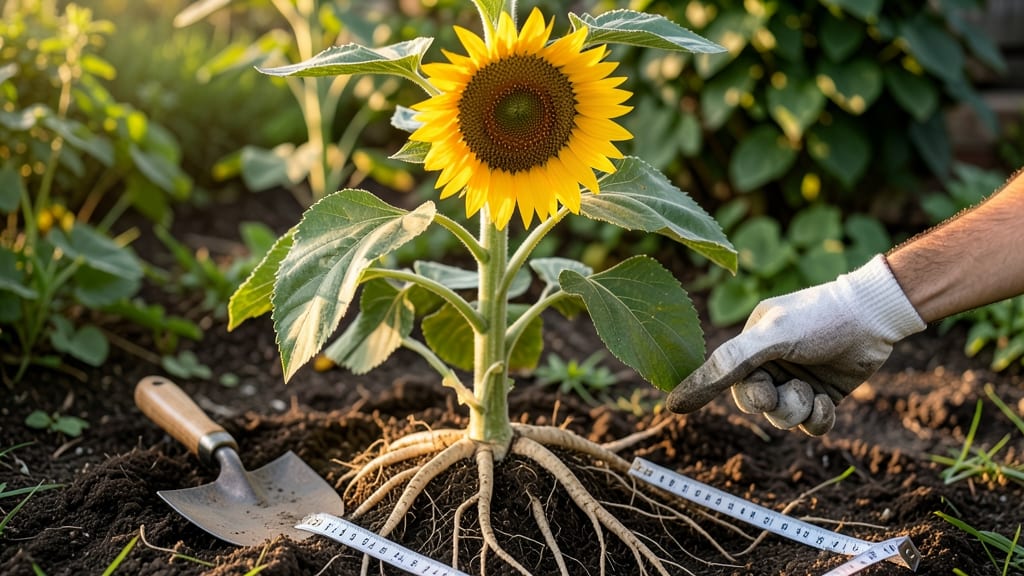
Sunflower roots grow 3 to 6 feet deep—far deeper than most gardeners realize—making soil depth the unsung hero of stable, thriving stalks.
If your towering 🌻 sunflowers keep toppling over despite their impressive height, the answer may lie beneath the soil, where their roots stretch deeper than you think.
These roots aren’t just anchors; they’re the plant’s lifeline for water and nutrients, especially in USDA Zone 6a where spring planting kicks off in April.
But not all sunflowers dig equally. Dwarf varieties like 'Teddy Bear' tap into just 1–3 feet of soil, while giants like 'Russian Giant' plunge 5–7 feet deep—meaning your planting strategy should match the variety.
Compacted soil or shallow beds can strangle their growth, leading to weak stalks and missed harvests from July to October.
In this guide, I’ll break down how root depth affects watering, spacing, and even staking needs. You’ll learn how to prep soil for maximum depth, spot early signs of root stress, and choose the right variety for your space—so your sunflowers stand tall and proud all season long.


Sunflower root depth: how deep do they grow and why it matters
If your towering sunflowers keep toppling over despite their impressive height, the answer may lie beneath the soil—where their roots stretch deeper than you think. Sunflowers develop a robust taproot system that can reach 3 to 6 feet deep, depending on the variety and growing conditions.
This deep root structure isn't just about stability—it's how sunflowers access water and nutrients from deep soil layers, especially during drought. Understanding this depth helps you plant, water, and care for sunflowers more effectively.
The primary taproot dominates sunflower root systems, growing vertically to anchor the plant and absorb water from deep layers. However, lateral roots spread horizontally within the top 1–2 feet of soil, providing additional stability and surface moisture absorption.
Together, these roots create a network that supports sunflowers' impressive height—sometimes reaching 10 to 14 feet in mature varieties. Without proper root development, even the hardiest sunflower stalks can lean or snap under stress.
| Root Type | Average Depth (Feet) | Function | Key Considerations for Gardeners |
|---|---|---|---|
| Taproot | 3–6 (varies by variety) | Primary water/nutrient absorber; anchors plant | Loose, well-drained soil enhances depth; compacted soil restricts growth |
| Lateral Roots | 1–2 feet (spreads widely) | Supports stability; absorbs surface moisture | Mulching reduces erosion and encourages lateral spread |
Soil type plays a critical role in determining how deep sunflower roots grow. In loose, well-draining soils, taproots can easily penetrate deep layers, reaching their full potential depth. However, in compacted or clay-heavy soils, roots struggle to extend beyond 12–18 inches, limiting water and nutrient access.
This is why amending your soil with compost or organic matter before planting can make a significant difference in root development and overall plant health.
Water availability directly impacts root depth. Sunflowers need consistent moisture during their early growth stages to encourage deep root penetration. When soil is too dry, roots may stay shallow, making plants more susceptible to wilting and toppling.
On the other hand, overwatering can suffocate roots and lead to rot, especially in heavy soils. Aim for deep, infrequent watering (1–2 inches per week) to promote healthy root growth and stability.
Sunflower varieties also influence root depth. Dwarf varieties, like 'Teddy Bear,' typically have roots that reach only 1–3 feet deep, making them ideal for containers or small gardens.
In contrast, giant varieties, such as 'Russian Giant,' develop roots that can extend 5–7 feet or more, requiring deeper soil and often staking for support. Choosing the right variety for your soil depth and space ensures your sunflowers thrive without leaning or falling over.
The root-to-shoot ratio is another key factor in sunflower stability. As the plant grows taller, its roots must expand to support the increased weight and wind exposure. If roots don’t keep pace, the stalks become top-heavy and prone to breaking.
This is why loosening soil before planting and avoiding over-tilling—which can damage roots—are essential practices for gardeners. Proper root development also improves nutrient uptake, leading to healthier, more vibrant blooms.
Gardeners often overlook the importance of mulching when it comes to sunflower root health. A 2–3 inch layer of mulch helps retain moisture, regulate soil temperature, and prevent erosion, which can expose and damage lateral roots.
Mulch also encourages roots to spread wider, providing additional stability. For tall varieties, consider using stakes or cages early in the growing season to support the plant while its roots establish themselves.
Signs of root stress include wilting, yellowing leaves, or stalks that lean excessively. If you notice these symptoms, check your soil moisture and drainage. Amending the soil with organic matter or adjusting your watering schedule can often rectify the issue.
For container-grown sunflowers, ensure the pot has adequate drainage holes and depth—roots need room to grow downward. In-ground plants benefit from deep soil preparation, ideally 18–24 inches deep, to accommodate root expansion.
In summary, sunflower root depth is a fundamental aspect of their growth and stability. By understanding how deep their roots grow, the factors that influence root development, and how to optimize soil conditions, you can cultivate stronger, healthier sunflowers that stand tall and proud.
Whether you're growing dwarf varieties for cut flowers or giant sunflowers for exhibition, paying attention to root health will pay off in stunning blooms and robust plants. 🌻
Optimal soil depth for sunflowers: planting tips to maximize root growth
Sunflowers may steal the show with their towering bright yellow blooms, but their strength starts underground. The taproot system can extend 3–6 feet deep, while lateral roots spread 1–2 feet wide—meaning your soil prep can make or break their stability.
Shallow roots struggle to anchor tall stalks, leading to that classic "sunflower flop." Let’s dig into how to give those roots the perfect foundation.
Most gardeners overlook soil depth when planting sunflowers, focusing instead on sunlight and water. But compacted or shallow soil forces roots to grow sideways, weakening the plant’s ability to absorb water and nutrients.
For healthy giant varieties, aim for a minimum 18–24-inch soil depth—that’s deeper than most gardeners realize! Even dwarf varieties benefit from 12–18 inches of loose soil to prevent toppling.
- Taproot Depth: 3–6 feet (varies by variety). Loose, well-drained soil lets roots penetrate deeper for stability and water access.
- Lateral Spread: 1–2 feet wide. Mulching prevents soil crusting, allowing roots to branch out for better nutrient uptake.
- Clay Soil Fix: Amend with compost or sand to break up compaction. Test soil depth by pushing a shovel—if it resists, roots will too.
- Sandy Soil Fix: Add organic matter to retain moisture. Sandy soils drain too quickly, starving deep roots of hydration.
Preparing your soil isn’t just about depth—it’s about creating a welcoming environment for roots to thrive. Start by testing your soil’s drainage and texture. Clay soils? Mix in compost and coarse sand to improve aeration.
Sandy soils? Blend in peat moss or aged manure to boost water retention. Over-tilling can damage roots, so focus on loosening the top 12–18 inches gently with a broadfork or garden fork.
Companion planting can also boost root health. Pair sunflowers with legumes like peas or beans, which fix nitrogen in the soil, or marigolds, which deter pests that stress roots.
Avoid planting near potatoes or tomatoes, as they compete for the same nutrients and can stunt root growth. A 3–4 foot spacing between sunflowers also gives roots room to spread without crowding.
Watch for signs of root stress, like wilting leaves or leaning stalks, which often signal shallow or compacted roots. If your sunflowers wilt despite regular watering, it’s a red flag—roots may be struggling to reach moisture.
Mulch with straw or wood chips to keep soil temperatures stable and prevent crusting, which restricts lateral root growth. Deep watering 1–2 times per week encourages roots to grow deeper in search of moisture.
Remember, healthy roots equal happy sunflowers. By giving your plants the right soil depth, amendments, and companions, you’ll set them up for stronger stalks, bigger blooms, and a garden that stands tall all season. Now grab that shovel—your sunflowers’ future starts below ground! 🌻