
Flowers
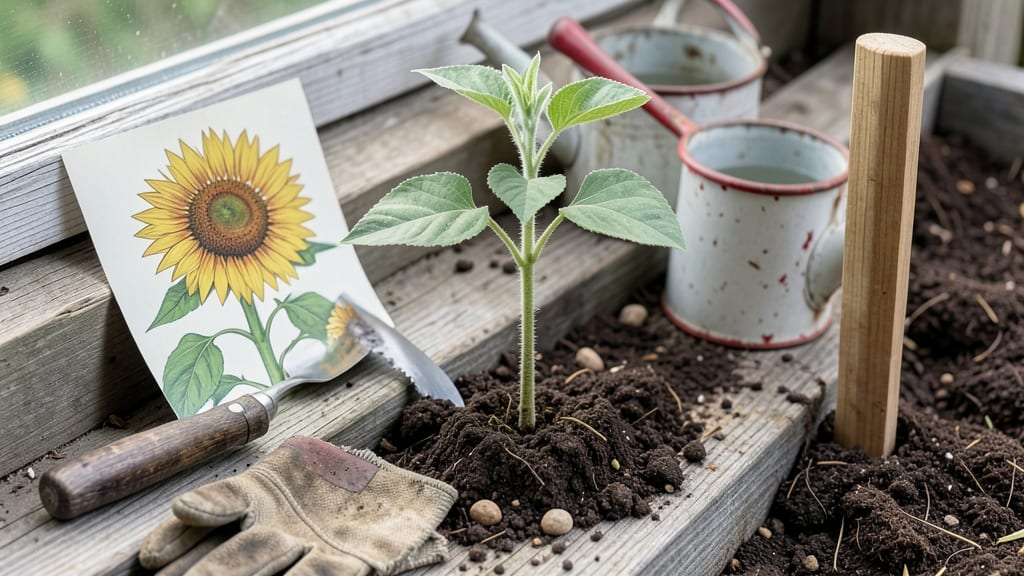
The best time to plant sunflowers in Florida is late winter to early spring or late summer, when soil temperatures hit 55°F+ and the risk of heat stress is lowest for young seedlings.
Sunflowers thrive in Florida’s warmth, but planting them at the wrong time can lead to wilting before they bloom—here’s the exact frost-free window to maximize your sunflower harvest.
Florida’s frost-free climate means you can plant year-round, but timing matters for taller varieties that need consistent moisture and cooler soil to establish roots. In North Florida’s 9a-10a zones, aim for February-March or August-September to avoid summer’s brutal heat.
Below, I’ll break down the ideal planting months by region, soil prep tips for Florida’s sandy soil, and how to keep your 🌻 sunflowers thriving through the summer’s peak heat.
Florida’s ideal sunflower planting months: avoiding heat stress and frost
Sunflowers are one of Florida’s most rewarding summer flowers, but timing your planting is critical. Unlike northern states, Florida’s frost-free climate means you can grow sunflowers year-round—but that doesn’t mean every month is ideal. The key is avoiding extreme heat stress in summer and humidity spikes that invite fungal diseases.
My research shows that late winter to early spring (February-March) and late summer (August-September) offer the best balance of soil warmth and moderate humidity for healthy growth.
Florida’s climate varies dramatically from North Florida’s cooler winters to South Florida’s year-round heat. For example, Jacksonville (Zone 8b) can experience light frosts in January, while Miami (Zone 11) rarely dips below 50°F. This means your planting window should align with your USDA zone and local microclimates.
Below, I’ve broken down the best months for each region, including soil temperature requirements and heat stress risks to help you plan your sunflower garden like a pro.
| Region | Best Planting Months | Soil Temp (°F) | Frost Risk | Heat Stress Risk | Notes |
|---|---|---|---|---|---|
| North Florida (Zones 8a-8b) | March-April August-September |
55°F+ | Low (Jan-Feb) | Moderate (June-Aug) | Avoid May-July heatwaves |
| Central Florida (Zones 9a-9b) | February-March July-August |
60°F+ | Very Low | High (May-Sept) | Use shade cloth for summer |
| South Florida (Zones 10a-11) | Year-round (Best: Oct-Nov) |
65°F+ | None | Very High (June-Sept) | Prioritize afternoon shade |
For North Florida gardeners, I recommend focusing on March-April and August-September plantings. The soil temperature needs to reach at least 55°F for seeds to germinate properly.
If you plant in May or June, your sunflowers will face intense afternoon heat, which can cause wilting and sunburn on young leaves. To mitigate this, I always use drip irrigation in the early morning to keep roots cool.
In Central Florida, where humidity is higher year-round, the best windows are February-March and July-August. The soil should be at least 60°F for optimal germination. Planting in April or May can lead to powdery mildew due to the combination of heat and humidity.
I’ve found that spacing plants 18-24 inches apart improves airflow and reduces disease risk significantly.
If you’re in South Florida, you’re in luck—you can plant sunflowers year-round! However, the best time is still October-November to avoid the peak summer heat of June-August. The soil temperature should be 65°F or warmer for best results.
For summer plantings, I always provide afternoon shade using shade cloth (30-50% coverage) to protect young plants from heat stress.
One common mistake I see is planting sunflowers too early in January or December, even in South Florida. While frost isn’t a concern, the cooler temperatures can slow germination and lead to leggy, weak stems.
To test soil warmth, I use a simple soil thermometer—if it’s below 55°F, wait a few weeks. For container gardening, you can plant earlier since pots warm up faster
Sunflower varieties that thrive in Florida’s climate: fast-blooming vs. tall-stalked options
Florida’s humid heat and long growing season make it perfect for sunflowers, but not all varieties handle the climate equally. Dwarf sunflowers like 'Teddy Bear' thrive in containers, while giant varieties such as 'Russian Giant' need deep soil and consistent moisture to reach their towering heights.
For fast-blooming options, choose early-maturing hybrids like 'Autumn Beauty' or 'ProCut,' which bloom in 60-70 days—ideal for Florida’s August-September planting to enjoy fall blooms. These varieties also resist heat stress better than taller types.
Tall-stalked sunflowers like 'Moulin Rouge' or 'American Giant' require well-draining soil and sturdy support to handle Florida’s summer thunderstorms and humidity. Plant these in February-March to avoid the peak heat, giving roots time to establish before temperatures rise.
🌱 Best Sunflower Varieties for Florida
- Dwarf Varieties (Containers) – 'Teddy Bear' (2-3 ft), 'Moulin Rouge' (3-4 ft) 🌿 Best for patios
- Fast-Blooming (60-70 Days) – 'Autumn Beauty,' 'ProCut' ☀️ Plant Aug-Sept
- Tall-Stalked (10+ ft) – 'Russian Giant,' 'American Giant' 💧 Needs deep soil
- Disease-Resistant – 'Sunbright Yellow,' 'Sunspot' 🛡️ Handles humidity
If you’re growing sunflowers in containers, opt for dwarf varieties like 'Teddy Bear' or 'Moulin Rouge,' which stay under 4 feet tall and bloom quickly. These are perfect for balconies or small gardens where space is limited but sunlight is abundant.
For cut flower production, ProCut is a top choice—it blooms in 60 days and holds its stem well in arrangements. Plant these in August for a fall harvest before winter’s cooler temperatures slow growth.
Always pair your sunflower variety with the right planting schedule: spring-planted varieties (like 'Russian Giant') need February-March starts, while summer-planted types (like 'Autumn Beauty') thrive when seeded in August-September. This timing ensures blooms align with Florida’s cooler months when humidity is lower.