
Flowers
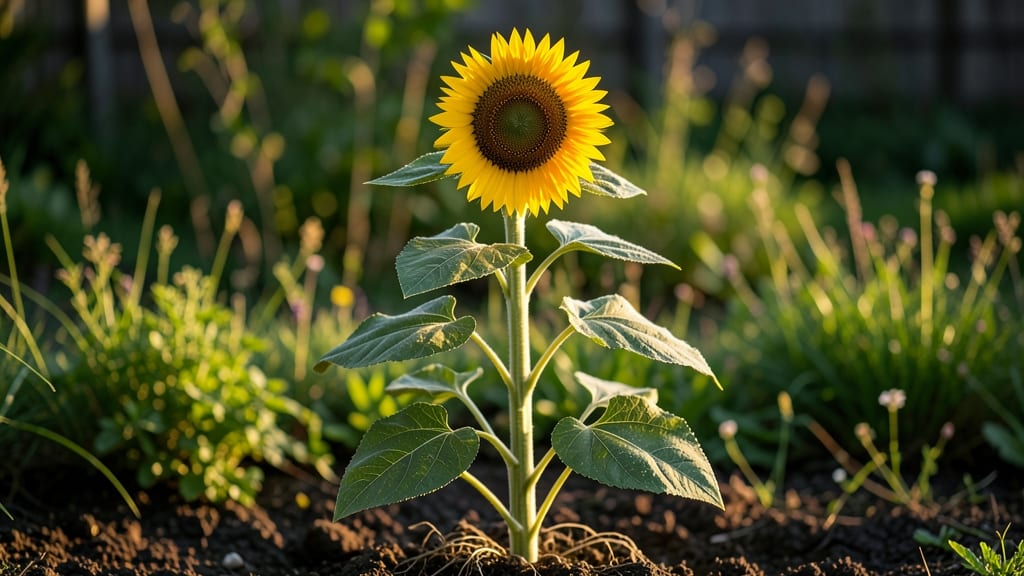
Sunflowers bloom in Florida from spring through fall, with peak seasons running March to May and September to November—perfect for year-round growing in zones 8a–11.
If you're dreaming of vibrant sunflower fields or want to grow your own, timing is everything—especially in Florida's unique climate where seasons behave differently than most of the U.S.
Planting in spring gives you towering 10-foot giants by summer, while fall sunflowers avoid the brutal heat and still deliver 90-day blooms before winter.
Below, I’ll break down the best months by region, how to stretch your season, and the 3 key tricks to keep your sunflowers thriving in Florida’s humidity.
Sunflower season in Florida by month: when to plant and bloom
Florida’s warm climate means sunflowers can bloom almost year-round, but timing still matters to avoid summer’s brutal heat and maximize vibrant blooms. Unlike northern states, Florida’s three distinct growing zones—North, Central, and South—create unique planting windows.
I’ll break down the best months to plant, bloom periods, and how to adapt your strategy based on where you live in the Sunshine State.
Sunflowers thrive in Florida’s USDA Zones 8a-11, but the North (Zone 8a-9a) has cooler winters, while the South (Zone 10a-11) rarely sees frost. Central Florida (Zone 9b) offers the most balanced conditions.
Whether you’re in Jacksonville, Orlando, or Miami, choosing the right planting window ensures healthy, towering sunflowers that brighten your garden for months.
🌱 Key Takeaway: Plant sunflowers in fall (September–November) or early spring (February–March) to avoid peak summer heat. Fall-planted sunflowers often bloom through winter, while spring varieties shine in late spring and summer.
In North Florida, where frosts are possible, I recommend planting dwarf varieties in January for early spring blooms or standard varieties in February to avoid summer heat. The peak bloom window here is May–June for spring plantings and October–December for fall plantings.
For example, if you plant 'Moulin Rouge' in late February, expect blooms by early May.
Central Florida’s Zone 9b offers the most flexibility. Plant early-season varieties in February for blooms by April, or late-season varieties in September to enjoy winter flowers. My favorite trick? Plant <
Best sunflower varieties for Florida’s climate and growing zones
Florida’s humid heat and long growing season make it perfect for sunflowers, but not all varieties thrive equally. The key is choosing disease-resistant types that handle high temperatures and occasional humidity. Whether you want towering giants or compact varieties for containers, Florida’s USDA zones 8a-11 offer plenty of options.
For North Florida (zones 8a-9a), opt for varieties that tolerate cooler nights, while Central and South Florida (zones 9b-11) can handle heat-loving types. Multi-branched varieties excel in Florida’s climate, producing longer blooms and better seed yields. Let’s explore the top sunflower types that shine in Florida’s unique conditions.
If you’re in North Florida (zones 8a-9a), prioritize varieties like 'Russian Giant' or 'Moulin Rouge', which handle cooler nights better. These types also resist powdery mildew, a common issue in Florida’s damp springs.
For Central and South Florida (zones 9b-11), multi-branched varieties like 'Autumn Beauty' are winners—they produce dozens of blooms per plant and tolerate intense heat.
Dwarf varieties like 'Teddy Bear' are my go-to for containers or small spaces. They bloom year-round in South Florida and require minimal care, making them perfect for urban gardens or balconies.
Plus, their compact size means no staking or deep watering needs. For cut flower arrangements, 'Moulin Rouge' is unbeatable—its deep red blooms last weeks in vases.
Timing matters too! In North Florida, plant giant varieties in February for summer blooms or September for fall displays. In South Florida, you can plant year-round, but avoid June–August to prevent heat stress.
Always choose disease-resistant seeds from trusted suppliers to ensure your sunflowers thrive in Florida’s humid conditions.
Pro tip: Mix varieties for extended blooms. Plant early-season giants in February alongside late-season dwarfs in August. This creates a continuous display from spring through fall, even in Florida’s warmest months.