
Propagation
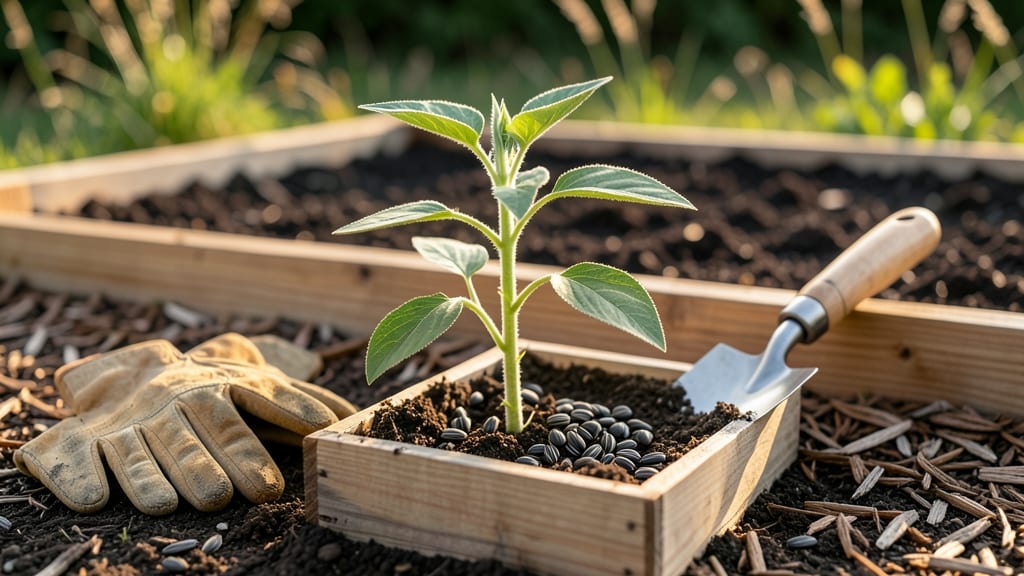
To plant sunflower seeds outdoors successfully, aim for April to May after the last frost in USDA Zone 6a—when the soil is warm and the sun is strong.
Sunflowers aren’t just stunning additions to your garden—they’re fast-growing, low-maintenance plants that can reach towering heights in just a few months. But achieving those iconic golden blooms starts with one critical step: planting your seeds at the right depth and spacing.
Most gardeners overlook how much sunflower seeds thrive with just ½ to 1 inch of soil cover and 6 to 24 inches of space between plants. Too deep, and they’ll struggle to break through; too close, and they’ll compete for sunlight, leaving you with weak stems and fewer blooms.
In this guide, I’ll walk you through the perfect planting method—from soil prep to watering tips—so your sunflowers grow fast and strong, with fewer mistakes and more stunning results.


Optimal sunflower seed planting depth and spacing for maximum germination
Sunflowers thrive when planted with precision, and getting the planting depth and spacing right is the foundation for strong, healthy growth. While sunflower seeds are hardy, even small mistakes in placement can lead to weak stems, poor germination, or overcrowded plants competing for sunlight and nutrients.
The good news? With science-backed guidelines, you can maximize your sunflowers' potential from the very first planting.
Research shows that planting sunflower seeds at a ½ to 1-inch depth provides the ideal balance between moisture retention and oxygen access for sprouting. Shallower planting risks drying out the seed, while deeper planting can delay germination or even prevent it entirely.
Meanwhile, proper spacing between seeds ensures each plant has room to develop its iconic towering stems and vibrant blooms without competing for resources.
| Factor | Recommendation | Notes |
|---|---|---|
| Planting Depth | ½ to 1 inch | Deeper in dry climates, shallower in moist soil |
| Seed Spacing (Dwarf) | 6–12 inches apart | For varieties under 4 feet tall |
| Seed Spacing (Standard) | 12–18 inches apart | For 6–10 foot varieties |
| Seed Spacing (Giant) | 18–24 inches apart | For 10+ foot varieties |
| Row Spacing | 18–36 inches apart | Wider spacing for taller varieties |
| Germination Time | 7–14 days | Faster in warm soil (70°F+) |
| Soil Temperature | 60–90°F | Ideal for rapid germination |
For dwarf varieties like 'Teddy Bear' or 'Moulin Rouge,' you can plant seeds just 6 inches apart since they max out around 3–4 feet tall. These compact sunflowers are perfect for containers or small gardens where space is limited.
Meanwhile, standard varieties such as 'Mammoth' or 'Russian Giant' need 12–18 inches of space to avoid overcrowding, as their stems can reach 10–15 feet when mature.
When planning your sunflower garden, consider row spacing as carefully as individual seed placement. For most varieties, 18–36 inches between rows provides ample room for airflow and easy access for weeding. Taller varieties benefit from the wider end of this range to prevent shading and disease issues.
If you're growing sunflowers in containers or raised beds, reduce spacing slightly—around 12 inches apart—since root competition is less of an issue in contained spaces.
One common misconception is that sunflowers can handle any planting depth because their seeds are so large. However, planting too deep—more than 1.5 inches—can lead to slow or failed germination because the seed struggles to push through dense soil.
On the flip side, planting too shallow—less than ½ inch—risks exposing the seed to drying out or being displaced by rain or birds. The ½ to 1-inch range strikes the perfect balance for most climates.
If you're planting in cooler climates or early in the season, consider using a seedling heat mat or planting in black plastic mulch to warm the soil and speed up germination.
Sunflower seeds germinate best when soil temperatures reach 60°F or higher, so timing your planting to align with warmer spring months (after the last frost) gives you the best chance for success.
In hotter climates, you can plant as early as March, while northern gardeners may need to wait until May.
Proper spacing isn’t just about preventing overcrowding—it’s also about maximizing sunlight exposure and minimizing disease risk. Sunflowers need 6–8 hours of full sun daily, and crowded plants will stretch toward the light, leading to weak, leggy stems that may snap under their own weight.
Additionally, tight spacing increases humidity around the foliage, creating ideal conditions for powdery mildew and other fungal diseases. By following the spacing guidelines in the table above, you’ll set your sunflowers up for strong, disease-resistant growth.
For gardeners with limited space, consider intercropping sunflowers with shorter plants like
Step-by-step guide: how to plant sunflower seeds outdoors like a pro
Sunflowers thrive when planted outdoors with proper technique, but many gardeners struggle with soil prep and seed placement. The key to fast germination and strong growth starts with understanding your climate zone and sun exposure.
In USDA Zone 6a, like where I garden, the ideal window is April to May after the last frost—typically around April 15. This timing ensures your seeds have 165 frost-free days to mature.
Before you even touch your seeds, focus on well-draining soil and full sun placement. Sunflowers need 6-8+ hours of direct sunlight daily, so choose a spot where they won’t be shaded by trees or structures.
If your soil is heavy clay or sandy, amend it with compost or aged manure to improve drainage and nutrient retention—this makes all the difference for young seedlings.
✅ Step-by-Step Planting Process
-
Step 1: Prepare the Soil
- Loosen soil to 12 inches deep with a garden fork
- Remove weeds and rocks
- Mix in 2-3 inches of compost for nutrients
-
Step 2: Plant Seeds at the Right Depth
- Place seeds 1 inch deep (½ inch for dwarf varieties)
- Space seeds 6 inches apart (12-24 inches for tall varieties)
- Use rows 18-36 inches apart for easy access
-
Step 3: Water Gently but Thoroughly
- Water 1-2 inches deep immediately after planting
- Keep soil consistently moist (not soggy) until germination
- Water in the morning to prevent fungal risks
-
Step 4: Monitor for Germination
- Germination takes 7-14 days in warm soil
- Thin seedlings to 12-24 inches apart when they’re 3-4 inches tall
- Use scissors to snip weak seedlings at soil level
-
Step 5: Apply Light Fertilizer
- Use 5-10-10 balanced fertilizer 4-6 weeks after sprouting
- Apply 1 tbsp per plant in early morning
- Avoid over-fertilizing—sunflowers prefer lean soil
Once your sunflowers are established, they’re surprisingly drought-tolerant, but young seedlings need consistent moisture. I water mine every 5-7 days during summer, giving each plant a deep soak (about 1-2 inches of water) in the morning.
This encourages strong root development and prevents blossom-end rot, a common issue in fluctuating moisture conditions.
For gardeners in warmer climates (Zones 7-10), you can start planting as early as March, but always wait until soil temperatures reach 55°F+. In cooler zones like mine, late May plantings still yield great results if you use black plastic mulch to warm the soil.
This simple trick can extend your growing season by 2-3 weeks.
After planting, avoid disturbing the soil around your seedlings—sunflowers have sensitive taproots that can be damaged easily. If you notice yellowing leaves or stunted growth, check for overwatering or poor drainage.
With the right care, your sunflowers will reward you with 6-15 foot stalks and those iconic golden blooms by July or August.
Pro tip: If you’re growing sunflowers for cut flowers, leave the strongest stem in each cluster and remove weaker side shoots. This directs energy to one showstopping bloom instead of multiple small ones. Happy planting—your garden will thank you with a sea of sunshine! 🌻