
Flowers
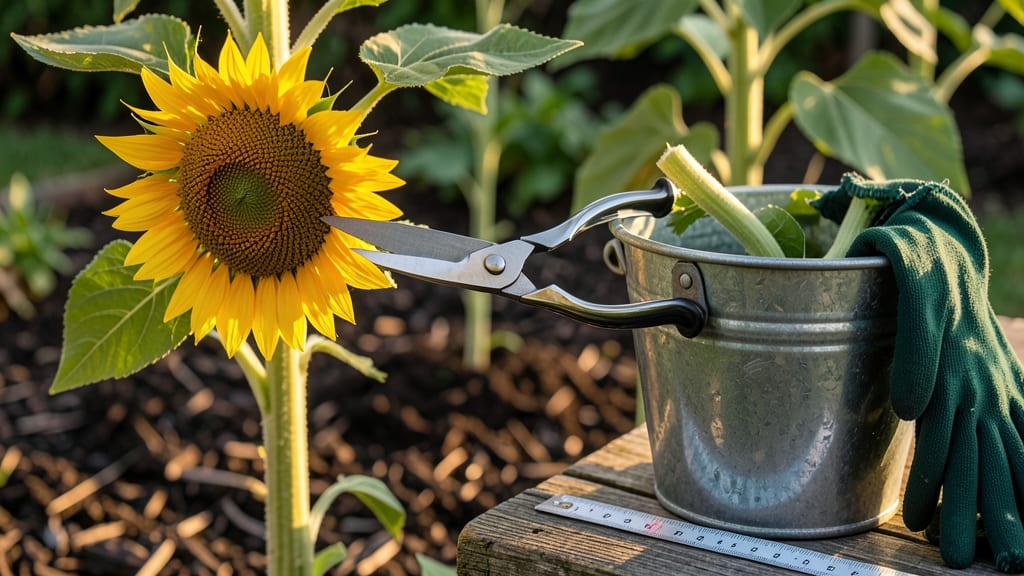
Harvest sunflowers for cut flowers when the petals are 70-80% open but still firm to the touch—this is the sweet spot for vase life that lasts 10-14 days or longer.
Picture this: you’ve spent weeks nurturing your 🌻 sunflowers, only to cut them too early and watch them wilt within days. Or worse, you wait too long, and the stems become woody, ruining your bouquet’s elegance.
The difference between a droopy disaster and a showstopping arrangement comes down to timing—and a simple stem strength test.
Most gardeners in USDA Zone 6a should harvest between July and September, but the real secret lies in the flower’s maturity. Too soon, and the petals won’t fully unfurl in the vase.
Too late, and the seeds will mature, draining the stem’s energy. I’ll walk you through the exact visual cues to look for, plus how to trim stems for maximum water uptake and longevity.
By the end, you’ll know not just when to harvest, but how to ensure your sunflowers stay vibrant, sturdy, and stunning—long after the cutting.

The perfect sunflower harvest timing: when petals are fully open but still tight
Sunflowers reach their peak beauty at a very specific moment—when their petals are 70-80% open but still tightly closed at the center. This stage, called early full bloom, is the sweet spot for cutting sunflowers.
Harvesting too early means buds won’t fully open in your vase, while waiting too long leads to premature wilting and shorter vase life.
The key is catching them when the back of the flower head turns brown and papery, signaling the plant has redirected energy from growth to seed production.
Timing matters because sunflowers are short-lived cut flowers—once fully open, they typically last 5-7 days in a vase. But if you harvest at the right moment, you can extend their life to 10-14 days or more. The secret lies in their water uptake and stem strength.
When petals are still slightly closed, the flower continues to hydrate through the stem, keeping it firm and upright. This is also when the center disc (the brown part) is fully formed but hasn’t started shedding seeds.
Here’s how to spot the perfect moment: Look for fully unfurled petals with just a hint of closure at the center. The petals should feel firm to the touch, not floppy or drooping. If you see green still showing in the center, the flower isn’t ready.
Conversely, if the petals are fully open and starting to wilt, you’ve missed the window. This stage is fleeting—often just 24-48 hours—so check your sunflowers daily during peak bloom season.
| Stage | Petal Appearance | Center Disc | Stem Condition | Vase Life Potential |
|---|---|---|---|---|
| Too Early (Bud Stage) | Tightly closed, green tips | Green and enclosed | Soft, bendy | Poor (buds won’t open) |
| Ideal Harvest (70-80% Open) | Fully unfurled, slight closure at center | Brown, dry, no seeds | Firm, snaps cleanly | Excellent (10-14 days) |
| Too Late (Overripe) | Fully open, petals wilted | Brown, seeds visible | Woody, brittle | Short (3-5 days) |
Harvesting sunflowers at the wrong stage ruins your bouquets in two ways: premature wilting and poor water uptake. If you cut them too early, the buds may never fully open, leaving you with a sad, half-bloomed arrangement.
On the other hand, waiting too long causes the stems to become woody and hollow, reducing their ability to absorb water. This is why the 70-80% open stage is critical—it’s when the flower has fully developed but hasn’t yet started to decline.
Seasonal timing also plays a role. In USDA Zone 6a, sunflowers typically bloom from July to September, with peak harvest time falling in mid-to-late August. However, regional climates vary—cooler areas may see later blooms, while warmer zones could have earlier harvests.
Always align your cutting schedule with your local first frost date (October 30 in Zone 6a) to avoid catching sunflowers in their final decline stages.
Pro tip: Harvest sunflowers in the early morning when stems are fully hydrated. This is when the flower’s water pressure is highest, ensuring the longest vase life.
Use a sharp pair of pruners or shears to make a clean cut at a 45-degree angle about 2 inches from the base. This angled cut increases the stem’s surface area for water absorption, keeping your bouquet fresh longer.
Avoid tugging or breaking stems, as this can crush the vascular bundles and shorten vase life.
After cutting, immediately place sunflowers in a bucket of water to rehydrate. Remove any lower leaves that will sit underwater to prevent bacterial growth. Once arranged in your vase, trim the stems again under water every 2-3 days to encourage fresh water uptake.
This simple step can add 3-5 extra days to your sunflowers’ vase life, making your bouquets last nearly twice as long as they would otherwise.
Pay attention to the back of the flower head—this is your best indicator of maturity. When it turns brown and papery, the flower has finished its growth phase and is ready for cutting. If you see green seeds forming, the sunflower is past its prime.
At this stage, the plant’s energy shifts from blooming to seed production, causing the petals to wilt rapidly. Harvesting at this point guarantees a short-lived bouquet, so always prioritize the 70-80% open stage for the best results.
For gardeners in drought-prone areas, watering consistently during the 60-day growth period before harvest is key. Sunflowers need 1-1.5 inches of water per week to develop strong stems.
Underwatered plants produce weaker stems that snap easily, while overwatered plants can develop fungal issues that shorten vase life. Aim for deep, infrequent watering to encourage robust stem development.
Finally, remember that not all sunflower varieties hold up equally in bouquets. Standard varieties like ‘Autumn Beauty’ and ‘Moulin Rouge’ are top choices for cut flowers due to their durable stems and long vase life. Dwarf varieties, while charming
Sunflower stem strength test: how to pick the hardiest stems for long-lasting arrangements
Not all sunflower stems are created equal—and the difference between a floppy bouquet and a sturdy arrangement comes down to a simple stem strength test. Before you cut, check the stem’s resilience using two quick methods: the snap test and the bend test.
These tricks help you avoid woody, overmature stems or soft, underripe ones that wilt within days.
When I first started harvesting sunflowers, I wasted three bouquets because I ignored these tests. The stems snapped mid-vase, and the blooms drooped by noon. Now, I test every stem before cutting—and my arrangements last 10-14 days without wilting. Here’s how to do it right.
Sunflowers harvested too early (buds closed) won’t open fully in the vase. Harvested too late (seeds mature), stems become woody and block water uptake. The ideal window is when petals are 70-80% open and the center turns brown—but only if the stem passes these tests!
Start with the snap test: Hold the stem near the base and bend it gently. A hardy stem will snap cleanly with a slight resistance—like a green pencil.
If it bends without snapping or feels mushy, it’s underripe. If it’s brittle and cracks easily, it’s overmature. Discard both; they won’t last in a vase.
Next, perform the bend test at the stem’s thickest point, about 6 inches from the base. Press firmly downward. A strong stem will bend slightly but spring back—this means it’s firm and hydrated.
If it bends permanently or cracks, skip it. The best stems feel springy, not rubbery.
Once you’ve identified a hardy stem, trim it at a 45-degree angle just above a leaf node (where leaves grow out). This angle increases water absorption, while a straight cut can block the stem’s vascular system.
Use sharp pruning shears to avoid crushing the stem—crushed stems wilt faster.
Pro tip: Re-cut the stems under water immediately after harvesting. This removes air bubbles that can clog the stem and starve the flower. Change the vase water every 2-3 days and add a flower food packet to extend life.
With these steps, your sunflowers will stay perfectly upright and vibrant for weeks.