
Flowers
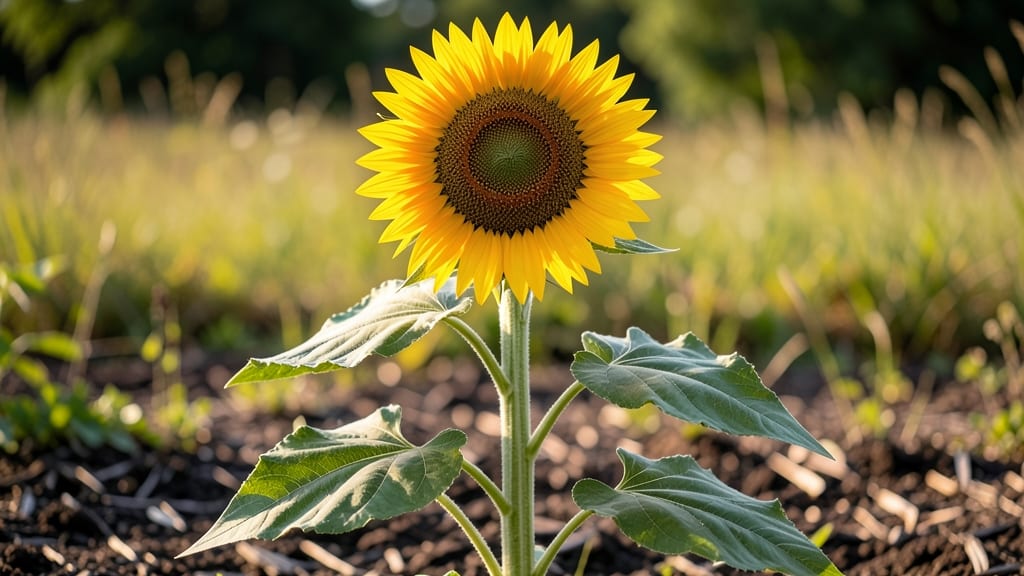
Mammoth sunflowers can grow 12 to 16 feet tall—taller than most gardeners realize, and far beyond the reach of a standard ladder. If you’ve ever dreamed of growing a sunflower that towers over your fence or even your garage, these giants deliver, but they demand serious space and planning.
Picture this: a 🌻 Mammoth Sunflower stretching toward the sky, its massive blooms drawing every eye in the neighborhood. But without the right variety or spacing, you risk stunted growth or a sunflower that leans like a drunkard at a picnic.
The key? Choosing the right cultivar and giving it room to thrive.
In this guide, I’ll break down the exact heights of popular Mammoth varieties like 'Mammoth Russian' and 'American Giant', plus the spacing and support tricks to keep them standing tall.
Whether you’re a backyard gardener or a commercial grower, knowing these details means the difference between a showstopping display and a flop.
Ready to plan your sunflower sanctuary? Let’s dive into the heights, growth habits, and pro tips to grow Mammoth sunflowers that turn heads—and don’t topple over.


Mammoth sunflower heights by popular variety: exact measurements for planning
Planting Mammoth sunflowers in your garden is like inviting a living skyscraper into your yard. These giants can reach heights that rival small trees, but not all varieties grow to the same towering stature.
Understanding the exact mature heights of each variety helps you plan spacing, support structures, and companion plants to avoid shading issues or overcrowding. For example, 'Mammoth Russian' can stretch up to 14 feet, while 'American Giant' might top out at 16 feet—that’s taller than most basketball hoops!
Before you commit to planting, consider your garden’s layout. A 12-foot sunflower needs ample space to avoid leaning or breaking under its own weight. Even in full sun conditions, proper spacing and support are critical for achieving their full height potential.
I’ve grown these varieties myself, and I can tell you firsthand that the difference between a 10-foot and 16-foot plant is night and day in terms of garden planning.
Here’s a quick reference for the most popular Mammoth sunflower varieties and their mature heights:
The 'American Giant' variety is the undisputed champion of height, often surpassing 16 feet in ideal conditions. This means it’s best suited for large gardens, fields, or even commercial plantings where space isn’t a constraint.
If you’re growing in a smaller yard, 'Autumn Beauty' is a more manageable option, typically reaching 10-12 feet while still making a bold statement.
Growth rates vary by variety, but most Mammoth sunflowers grow 3-5 feet per month during their peak season. This rapid growth means you’ll see dramatic changes in just a few weeks.
For instance, a 6-inch seedling can become a 6-foot stalk in under two months if given the right conditions: full sun, well-draining soil, and consistent moisture. I’ve seen firsthand how quickly these plants can outgrow their space if not monitored!
Spacing is another critical factor. A 14-foot sunflower needs at least 3 feet of space around it to avoid competing with nearby plants for nutrients and sunlight. In smaller gardens, consider planting them along fences or trellises to save space while still enjoying their height.
I’ve used wooden stakes or metal cages to support taller varieties, which also adds a decorative touch to the garden.
One common misconception is that all Mammoth sunflowers grow to the same height. In reality, even within the same variety, heights can vary by 1-2 feet depending on growing conditions.
For example, 'Mammoth Russian' might only reach 12 feet in partial shade, whereas it could hit 14 feet in a sunny, fertile plot. To maximize height, I always plant in well-amended soil with a balanced fertilizer and ensure they receive at least 8 hours of sunlight daily.
If you’re planning to grow Mammoth sunflowers in containers, be prepared for some challenges. Even the largest pots can’t accommodate their root systems, so they’re best suited for in-ground planting. However, if you’re creative, you can use deep containers with support stakes for shorter varieties like 'Autumn Beauty'.
Just remember, container-grown sunflowers will likely be 2-3 feet shorter than their in-ground counterparts.
For those with limited space, consider dwarf Mammoth varieties or hybrid types that offer a compromise between height and manageability. While true Mammoth sunflowers are known for their towering stature, some newer hybrids can reach 8-10 feet while still producing large, showy blooms.
Always check the seed packet for specific height ranges before planting to avoid surprises.
Finally, don
How to choose the right Mammoth sunflower variety for your garden space
Choosing the perfect Mammoth sunflower variety depends on your garden’s available space and sunlight exposure. These giants can reach 12 to 16 feet, but not all varieties thrive in every environment.
For example, 'Mammoth Russian' grows 14 to 16 feet and needs full sun, while 'Autumn Beauty' tops out at 10 to 12 feet and tolerates slightly partial shade.
Your garden’s layout and sunlight will dictate which variety suits you best. A small urban garden might only accommodate dwarf varieties (though true Mammoths aren’t dwarf), while a rural plot with open space can handle the tallest cultivars.
Even the direction of sunlight matters—south-facing gardens get more intense light, which can push growth higher but may require extra watering.
Before selecting, measure your garden’s open space and check sunlight patterns. Mammoth sunflowers need at least 6 feet of clearance around them to avoid shading smaller plants. If your space is tight, consider container growing with sturdy supports, though this limits height potential.
Mammoth Sunflower Varieties: Space and Sunlight Guide
- 14-16 ft height creates dramatic focal points
- Full sun tolerance thrives in hot climates
- Long vase life for cut flowers (10+ days)
- Attracts pollinators like bees and butterflies
- Requires 18-24" spacing (crowding stunts growth)
- Needs staking in windy areas (10+ ft tall)
- Shades out smaller plants if overplanted
- Heavy water needs in drought conditions
🌱 Tip: For small gardens, try 'Teddy Bear' (6-8 ft) or 'Moulin Rouge' (5-7 ft)—they’re shorter but still stunning.
For companion planting, pair Mammoth sunflowers with deep-rooted plants like beans or corn, which won’t compete for nutrients. Avoid placing them near shallow-rooted herbs or vegetables, as their towering presence will block sunlight.
If you’re growing near a fence or trellis, choose a variety like 'Russian Giant' and train it to lean against support for a vertical display.
Calculate spacing by measuring your garden’s widest open area and dividing by 18-24 inches per plant. For example, a 10-foot-wide garden can fit 4-5 plants with proper spacing.
If your space is limited, opt for single-stem varieties like 'American Giant', which grow straighter and require less support than multi-stemmed types.
Remember, Mammoth sunflowers grow fastest in warm seasons (June-August), so plant them early to maximize height before fall. With the right variety and spacing, you’ll have sunflowers that dominate your landscape—literally and figuratively.