
Flowers
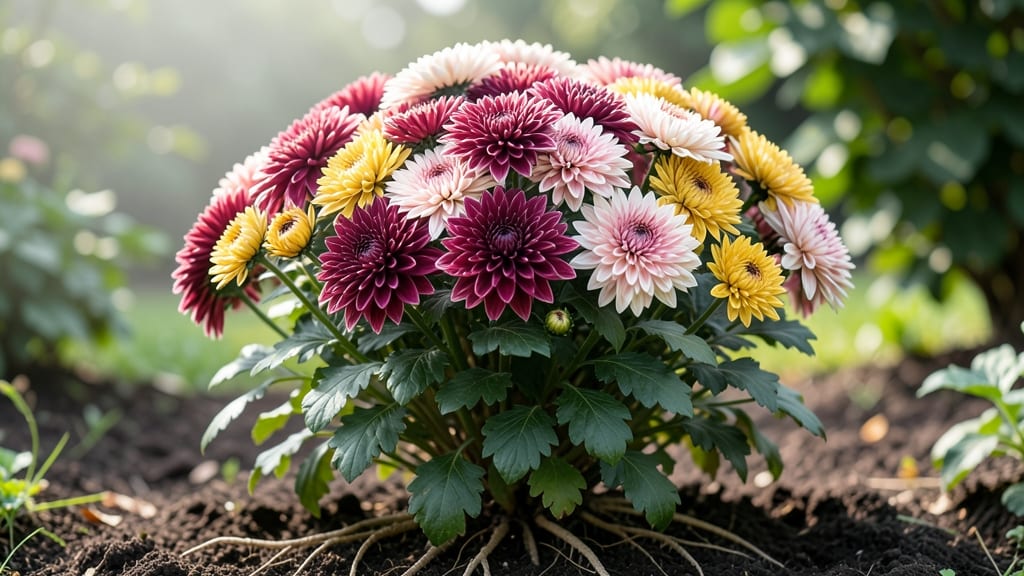
Caring for mum flowers 🌼 means unlocking their vibrant fall blooms and keeping them healthy long after the season ends.
Picture this: your garden bursting with bold colors from September through October, only to see those same plants wilt if you don’t adjust their care. That’s why understanding mum flower care isn’t just about watering and sunlight—it’s about timing, soil, and a few smart tricks to extend their beauty.
Whether you’re growing them in pots or garden beds, these hardy chrysanthemums thrive with the right balance of moisture, light, and occasional pruning. Skip the guesswork and learn how to feed them just enough, deadhead for more blooms, and even overwinter them for next year’s show.
By the end, you’ll know exactly how to keep your mums flourishing year-round—no green thumb required.
Seasonal mum flower care guide: from fall blooms to winter survival
Mums (chrysanthemums) steal the show in fall with their vibrant blooms, but their care needs shift dramatically across seasons. Understanding these changes is key to year-round success. Whether you're growing them in containers or garden beds, seasonal adjustments ensure your mums thrive beyond their fall glory.
Let's break down each phase to keep your plants healthy and blooming.
Fall is the peak blooming season for mums, but their care begins earlier. Planting in late summer (August-September) gives roots time to establish before cold weather. Choose a location with full sun exposure—at least 6 hours daily—to fuel their vibrant displays.
Container-grown mums need well-draining soil mixed with compost to prevent root rot during their active growth phase.
🌼 MUM FLOWER CARE SUMMARY TABLE 🌼
Season
Light Needs
Watering
Temperature
Key Tasks
Fall
Full sun (6+ hrs)
1-1.5 inches/week
50-70°F
Deadhead blooms, fertilize lightly
Winter
Bright indirect light
Minimal (let soil dry)
30-50°F (dormant)
Reduce water, protect from frost
Spring
Full sun (6+ hrs)
1 inch/week
55-75°F
Repot if needed, fertilize
Summer
Partial shade (afternoon)
1.5 inches/week
60-80°F
Prune leggy growth, mulch
During fall blooming season, prioritize consistent watering—about 1-1.5 inches per week. Water at the base of the plant in the morning to prevent fungal diseases from evening moisture.
After blooms fade, deadhead spent flowers to redirect energy to root growth. A light application of balanced fertilizer (5-10-10) every 4-6 weeks keeps them vigorous.
As temperatures drop in late fall, mums enter dormancy. Move container-grown plants to a sheltered spot or indoors near a bright window. Reduce watering to every 2-3 weeks—only enough to keep soil slightly moist.
If frost threatens, cover outdoor mums with burlap or frost cloth to protect tender foliage. This is also the time to divide overcrowded clumps if needed.
Spring revival begins when daytime temperatures rise above 50°F consistently. Gradually reintroduce fertilizer in early spring to stimulate new growth. If your mums were in containers, repot into fresh soil if roots are crowded.
Prune back any dead or damaged stems to encourage bushier growth. Place them in full sun again—this is when they build energy for their next blooming cycle.
Summer care focuses on heat protection. While mums love sun, afternoon shade prevents wilting in extreme heat. Increase watering to 1.5 inches weekly, but avoid soggy soil. Mulch around the base to retain moisture and regulate soil temperature.
Prune leggy growth to maintain shape and encourage more blooms. Avoid fertilizing in summer—it can delay fall blooming.
For container-grown mums, drainage is critical. Ensure pots have drainage holes and use a lightweight potting mix. In winter, move them indoors to a cool, bright location (like a garage with windows).
If you notice yellowing leaves, it may signal overwatering—let the soil dry out between waterings. This seasonal adjustment prevents root rot during dormancy.
One common mistake is overwatering in winter, which can drown dormant roots. Instead, check soil moisture with your finger—water only when the top 1 inch feels dry. Another tip: rotate containers occasionally so all sides get even light.
This prevents lopsided growth and ensures balanced blooming when the season returns. With these adjustments, your mums will reward you with year-round beauty.
To extend blooming, deadhead regularly throughout fall. This simple step encourages new flower production and
5 Common mum flower care mistakes that kill your plants (and how to fix them)
Mums (chrysanthemums) are fall favorites for their vibrant colors and long-lasting blooms, but even these hardy plants can struggle with common care mistakes. Overwatering, poor soil conditions, or improper pruning can quickly turn your healthy mums into wilting disappointments.
The good news? Most issues are easily fixable with the right adjustments.
I’ve seen thriving mums turn into sad, leggy plants—or worse, completely die back—because of simple oversights. Let’s tackle the top 5 mistakes and how to revive your plants before it’s too late.
Whether you’re growing potted mums or garden beds, these tips will save your fall blooms.
⚠️ WARNING: Overwatering Is the #1 Killer of Mums
Mums hate soggy roots. Overwatering leads to root rot, yellowing leaves, and stunted growth. Even if your potting mix feels damp, check the soil 1-2 inches deep—if it’s moist, wait to water. Containers dry faster, so potted mums need less frequent watering than garden plants.
Fix it: Let the top inch of soil dry out between waterings. Use well-draining soil with perlite or sand, and water deeply but less often. If your mums look wilted, it’s often underwatering, not overwatering!
Another silent killer is poor soil drainage. Mums thrive in loamy, slightly acidic soil (pH 6.0-7.0). If your garden soil is clay-heavy or compacted, roots suffocate, leading to nutrient deficiencies and weak stems.
I once had mums flopping over because their roots couldn’t anchor—turns out, the soil was too dense.
Fix it: Amend your garden beds with compost or peat moss to improve drainage and aeration. For potted mums, use a mix of potting soil, perlite, and compost (ratio: 2:1:1). Test your soil’s pH—if it’s too alkaline, add sulfur or pine needles to lower it gradually.
Pest infestations like aphids, spider mites, and whiteflies can devastate mums in weeks. I’ve seen entire plants turn sticky and deformed from sap-sucking pests. These critters thrive in dry, dusty conditions, so neglected plants are prime targets. The first sign? Yellowing leaves, sticky residue (honeydew), or fine webbing on stems.
Fix it: Spray plants with a strong stream of water to knock off pests, then follow up with neem oil or insecticidal soap. For severe infestations, use horticultural oil (like dormant oil) in early spring before pests multiply. Encourage beneficial insects like ladybugs by planting marigolds nearby.
Improper pruning is another care killer. Many gardeners prune too late or cut back too aggressively, which stops blooming or weakens the plant. Mums bloom on new wood, so pruning after mid-summer can delay or prevent fall flowers. Even deadheading (removing spent blooms) can backfire if done incorrectly.
Fix it: Prune in early spring (before new growth starts) to shape the plant and remove dead stems. Deadhead regularly during the blooming season to encourage more flowers, but stop by late summer to let some blooms set for next year. If you prune too late, your mums may not rebloom.