
Blooming
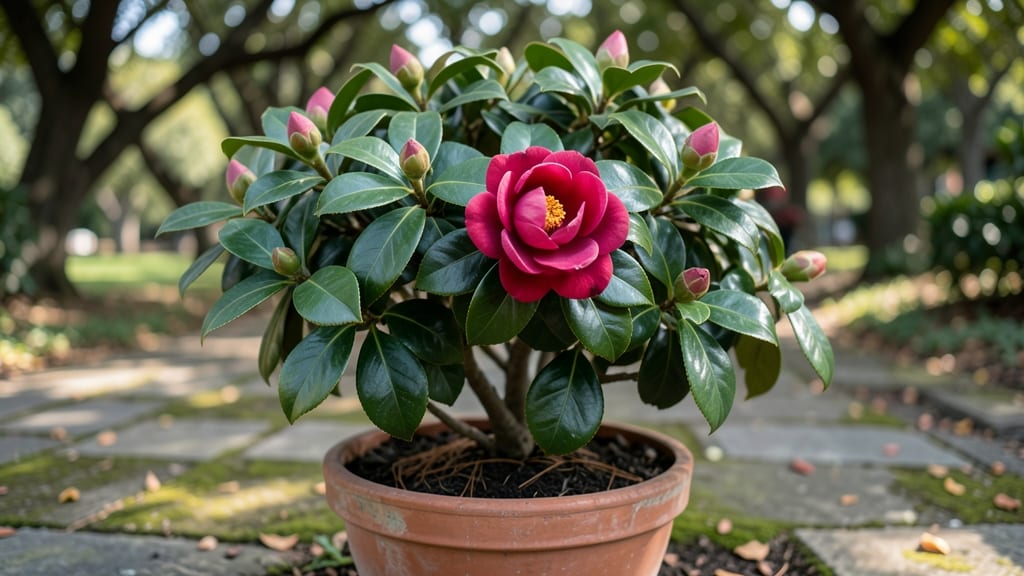
The camellia flower blooming season transforms your garden into a living canvas of color in late winter to early spring 🌸, but only if you know the secrets behind their timing.
Picture this: your camellia bushes are packed with buds, but instead of weeks of stunning blooms, they fade in just a few days. That’s not just bad luck—it’s often a mix of variety, care, and climate working against you.
The good news? With the right approach, you can stretch that blooming season from a brief flash to months of beauty.
Different camellia types have their own schedules—some burst into color in December, while others wait until March. Then there’s the role of pruning, soil acidity, and even how much you water.
Get these right, and your camellias will reward you with longer, healthier blooms that stand out in your landscape.
In this guide, I’ll break down the exact blooming windows for popular varieties, share 5 proven techniques to extend their season, and reveal the common mistakes that cut blooms short—so you can enjoy your camellias at their absolute best.
Camellia blooming seasons by variety: when to expect flowers
Camellias are renowned for their stunning, long-lasting blooms, but their blooming seasons vary dramatically depending on the variety and climate.
If you’ve ever wondered why your Camellia japonica blooms in winter while your neighbor’s Camellia sasanqua flowers in fall, the answer lies in their natural growth cycles and USDA zone adaptations. Understanding these differences helps you plan for year-round color and avoid disappointment when flowers don’t appear as expected.
In USDA zones 7-10, camellias typically bloom from late fall to early spring, with some varieties extending into summer. The key to maximizing blooms lies in selecting complementary varieties and adjusting care based on local climate.
For example, cooler coastal regions may see earlier blooms, while hotter inland areas might experience delayed or shorter flowering periods. Let’s break down the blooming windows for the most popular camellia types to help you time your garden’s color palette perfectly.
Camellia japonica is the classic winter bloomer, gracing gardens with showy, formal flowers from February to April in USDA zones 7-9. These varieties often require cooler temperatures to trigger blooming, so hotter zones (like southern California) may see delayed or reduced flowering. For example, in zone 10, Camellia japonica might bloom as late as April or May due to mild winters.
If you crave fall color, Camellia sasanqua is your best bet. This variety blooms from October through December, offering fragrant, informal flowers that thrive in zones 7-10. Unlike its winter-blooming cousins, Camellia sasanqua handles heat and humidity better, making it ideal for southern gardens.
In cooler inland areas (zone 7), expect blooms to start earlier, sometimes as soon as September.
Camellia reticulata, often called the "holly camellia," is a winter standout with bold, glossy leaves and large, showy blooms from January to March. This variety excels in USDA zones 8-10, particularly in coastal climates where winters are mild but not frost-free. In zone 9, you might even see second blooms in spring if conditions are favorable. For extended color, pair it with Camellia sasanqua to bridge the gap between fall and spring.
For gardeners in transitional zones (7-
5 Proven techniques to extend camellia blooming season
Camellias are famous for their lush, long-lasting blooms, but many gardeners struggle to extend their flowering season beyond a few weeks. The secret lies in understanding how these plants respond to light, water, and nutrients—and when to intervene.
With the right timing and care, you can coax your camellias into blooming for months instead of weeks, transforming your garden into a year-round spectacle.
Unlike annuals that bloom once and fade, camellias are evergreen shrubs that rely on careful maintenance to produce flowers repeatedly. The key is balancing growth stimulation with bloom preservation. For example, pruning at the wrong time can trigger a flush of leaves but eliminate next year’s buds.
Similarly, over-fertilizing with nitrogen can lead to leafy growth at the expense of flowers. Let’s dive into the science-backed techniques that work.
- 1 Prune after blooming (late spring) to remove spent flowers and shape the shrub. Avoid cutting into old wood, where next year’s buds form.
- 2 Fertilize in early spring with an 8-3-6 NPK ratio (acid-loving formula) to encourage bud formation. Skip heavy feeding in summer to avoid leafy growth.
- 3 Water deeply in morning (1-2 gallons per plant) to prevent stress. Mulch with pine bark to retain moisture and acidify soil naturally.
- 4 Provide afternoon shade in hot climates (USDA zones 9-10) to protect blooms from scorching. East-facing light is ideal for most varieties.
- 5 Apply winter protection in colder zones (7-8) with a thick mulch layer (4-6 inches) to insulate roots and prevent bud freeze.
One of the most common mistakes is pruning camellias in fall or winter, which removes next year’s flower buds before they form. Instead, prune right after blooming (late spring) to clean up spent flowers and shape the plant.
Use sterilized shears to make clean cuts just above a leaf node, and avoid heavy pruning—this can stress the plant and reduce flowering.
Fertilizer timing is equally critical. Camellias need a balanced NPK ratio (like 8-3-6) to produce flowers, but too much nitrogen in summer can lead to leafy growth instead of blooms.
I recommend applying a slow-release acidic fertilizer in early spring (March) and again in early fall (October) to support bud formation without overstimulating new growth. For potted camellias, use half the recommended dose to avoid root burn.
Light exposure plays a surprising role in extending blooms. While camellias thrive in partial shade, they need morning sunlight to set buds properly. In hot climates, afternoon shade is a must to prevent sunburn on petals, which can shorten the bloom life.
If your camellia isn’t flowering well, try moving it to a slightly sunnier spot in spring while still protecting it from harsh afternoon rays.
Finally, don’t underestimate the power of consistent watering. Camellias hate soggy roots but also can’t tolerate drought stress, which causes buds to drop prematurely. Water deeply once a week (or bi-weekly in cooler months) and always in the morning to reduce evaporation.
A 3-inch layer of mulch around the base helps retain moisture and keeps roots cool—critical for bud retention during heatwaves.