
Flowers
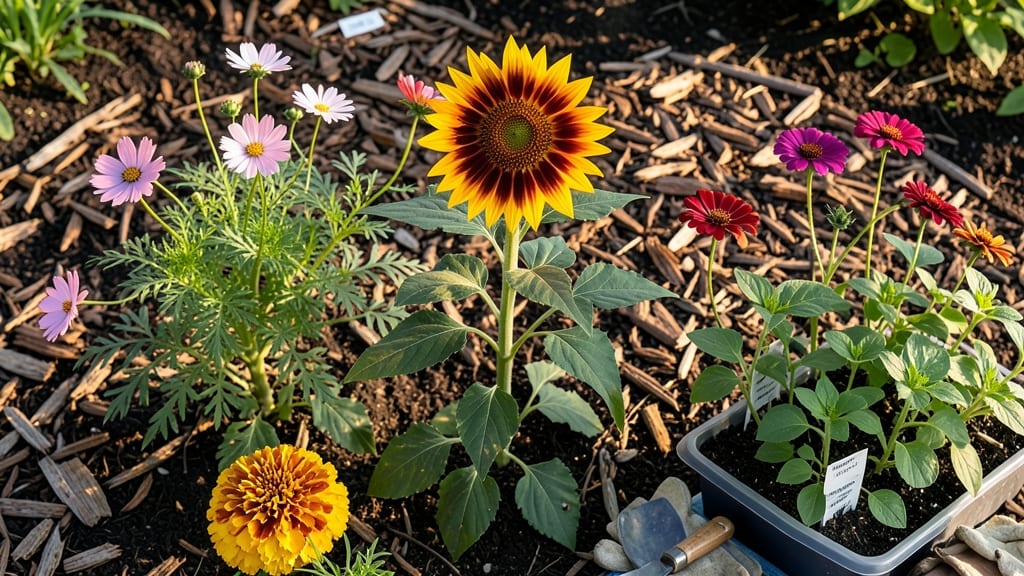
Planting fall flowers in Texas means timing them for late summer to early fall—too soon and the heat wilts them; too late and frost kills them before they bloom.
Texas gardeners know that timing is everything—plant too early, and your 🌼 fall flowers wilt in the summer heat; too late, and frost steals your blooms. But with the right heat-tolerant varieties and precise planting deadlines, you can transform your yard into a vibrant autumn oasis.
North Texas gardeners should start in August, while Central and South Texas can wait until September, giving plants time to establish roots before cooler weather arrives.
The key is planting 6-8 weeks before your first frost, which varies by region—December 15 in North Texas to January 1 in South Texas.
Below, I break down the exact planting windows by zone, the top heat-tolerant flowers that thrive in Texas summers, and the critical mistakes to avoid—so you can enjoy a stunning fall garden without the guesswork.
Texas fall planting deadlines by zone (heat-tolerant flowers only)
Getting your fall flowers in the ground at the right time is crucial in Texas, where summer heat lingers and frost arrives unpredictably. For North Texas (Zones 7b-8a), your planting window is narrow—just August 15 to September 15.
In Central Texas (Zones 8a-8b), you’ve got a bit more flexibility with August 1 to October 1, while South Texas (Zones 9a-10a) can plant until October 15 without stress.
These deadlines account for soil temperatures dropping below 60°F, which slows root growth. Heat-tolerant varieties like zinnias and marigolds thrive when planted before 90°F soil temps—a common threshold in Texas summers. Miss these windows, and you risk bolting or stunted growth from late-season heat.
| Zone | Planting Window | Soil Temp Threshold | Key Flowers | First Frost Date |
|---|---|---|---|---|
| North Texas (7b-8a) | August 15 – September 15 | Below 60°F | Zinnias, Cosmos, Snapdragons | December 1 |
| Central Texas (8a-8b) | August 1 – October 1 | Below 65°F | Marigolds, Celosia, Mexican Sunflower | November 15 |
| South Texas (9a-10a) | September 1 – October 15 | Below 70°F | Portulaca, Lantana, Blanket Flower | January 1 |
In North Texas, where frost hits as early as December 1, aim to plant 6-8 weeks before your average first frost. This gives flowers like cosmos enough time to establish roots and bloom before cold sets in.
For Central Texas, where frost arrives later (November 15), you can extend your window slightly, but avoid planting after September 30—soil cools too quickly for heat-sensitive seedlings.
South Texas gardeners have the longest window, thanks to milder winters. However, even here, planting after October 15 risks early frost damage to tender varieties. Prioritize drought-tolerant flowers like lantana or portulaca, which handle the region’s 90°F+ soils better than others.
Microclimates play a huge role in Texas. If you’re in a valley or low-lying area, frost arrives 1-2 weeks earlier than higher elevations. Use a frost calendar (like the one from your local AgriLife Extension) to adjust deadlines.
For example, Amarillo’s first frost is November 20, while San Antonio’s is December 10.
Soil prep is just as critical as timing. Amend your garden beds with compost to improve drainage—Texas clay holds moisture, leading to root rot if not aerated.
Test your soil’s pH (6.0-7.0) and add lime if needed. Mulch with 2-3 inches of straw after planting to retain moisture and regulate soil temps.
Watering strategies shift as fall progresses. Newly planted flowers need 1 inch of water weekly until established, but reduce to every 10-14 days once blooming begins. Always water in the morning to prevent fungal diseases like powdery mildew, which thrives in Texas’s humid nights.
Don’t overlook deadheading—removing spent blooms encourages continuous flowering until frost. For zinnias and cosmos, this can extend your bloom season by 3-4 weeks. Pair heat-tolerant flowers with cool-season companions like pansies or snapdragons for a seamless transition as temps drop.
Pro tip: Use shade cloth if planting in late August to protect seedlings from intense afternoon sun. Even heat-tolerant flowers like celosia can struggle with 100°F+ air temps if not shielded. Start seeds indoors 4-6 weeks before your zone’s deadline to give them a head start.
Best heat-tolerant fall flowers for Texas gardens (ranked by resilience)
When Texas summers stretch into fall, not all flowers can handle the lingering heat. But these top 10 heat-tolerant varieties thrive in our 90°F+ temperatures while still delivering vibrant fall color.
I’ve ranked them by resilience, focusing on drought tolerance, sunlight needs, and bloom duration—so you get maximum impact with minimal fuss.
Start with Mexican sunflowers (Tithonia rotundifolia), which burst with orange-red blooms even in full sun and dry soil. They’re my go-to for late-summer heat because they tolerate poor soil and attract pollinators like crazy.
Pair them with celosia (Celosia argentea), another powerhouse that glows in crimson, pink, or yellow and stays upright in storms.
For a rating bar breakdown of the top performers, check below. These flowers are tested in Texas Zone 8a-10a and chosen for their ability to establish roots quickly before temperatures drop.